
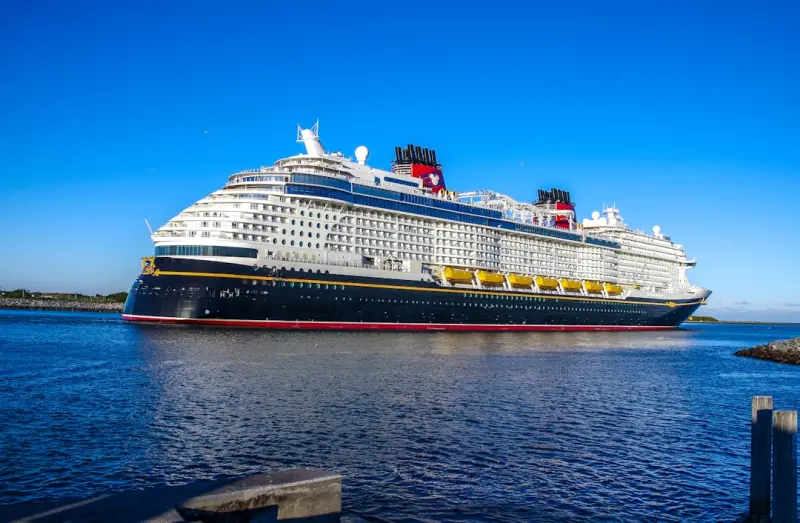
Why Cruise Port Excursions and Bus Tours Deserve a Narrative Upgrade
Most travelers treat cruise shore stops and scheduled bus tours as mere checklist items, snapping a photo and moving on without probing the deeper stories that lie beneath the surface. When you shift your mindset from ticking boxes to collecting narratives, the same itinerary transforms into a living museum of local legends, culinary traditions, and hidden histories that stay with you long after the voyage ends. By treating each dock and each highway mile as a chapter rather than a footnote, you unlock a richer, more personal travel experience that fuels conversation and memory alike.
The Art of Curating Local Narratives
Before you even set foot on a pier or step onto a bus, do a little detective work: dig into community blogs, chat with residents on social media, and read regional folklore to uncover the stories that mainstream guidebooks skip. Purpose‑driven journeys thrive on this groundwork, allowing you to ask locals about the myths that shape their neighborhoods and the festivals that mark their calendars. When you arrive armed with curiosity, a simple question about the town’s founding legend can open doors to private tours, family‑run eateries, and off‑beat art installations that would otherwise remain invisible to the average tourist.
Seamless Transition: From Ship to Bus Without Missing a Beat
Coordinating the timing of a cruise disembarkation with a pre‑booked bus can feel like juggling flaming torches, but a few strategic moves make the handoff feel effortless. First, confirm your bus pickup location well in advance, noting whether the operator meets you at the main terminal or a nearby dockside lounge; a quick text to the driver an hour before arrival can save you from wandering the crowded promenade. Second, pack a lightweight day bag with essentials—passport, water bottle, and a portable charger—so you can hop straight onto the bus without a frantic rummage through your suitcase. Finally, keep an eye on the ship’s disembarkation schedule, which can shift due to weather or port traffic, and have a backup plan such as a local taxi service or rideshare app ready to bridge any unexpected gaps.
Foodie Trails: Turning Every Meal into a Cultural Expedition
Portside cuisine is a gateway to the soul of a place, yet most travelers settle for the cruise’s buffet or the tourist‑centric eateries that line the dock. To truly taste the locale, seek out family‑run stalls, market stalls, and pop‑up kitchens that showcase seasonal produce and time‑honored recipes; these hidden gems often serve dishes you won’t find on any mainstream menu. Pair your meals with a brief conversation with the chef or vendor—ask about the origin of the spices or the story behind a signature dish, and you’ll walk away with a story as flavorful as the food itself. Don’t forget to document the experience with a quick note or voice memo, so the aromas and anecdotes can be relived long after the journey ends.
Photography Playbook: Capturing Stories, Not Just Scenery
Great travel photography goes beyond postcard‑perfect panoramas; it captures the human moments that tell the story of a place. Start by focusing on candid interactions—an elderly fisherman mending his net, a child chasing seagulls, a street musician lost in rhythm—because these slices of life convey emotion and context that a distant shoreline cannot. Use a shallow depth of field to isolate subjects and blur bustling backgrounds, drawing the viewer’s eye to the narrative core of the frame. Finally, experiment with low‑light settings during dusk or at night markets, where the interplay of lanterns and shadows adds drama and a sense of mystery to your visual story.
Mindful Packing: Light Gear for Dual‑Mode Adventures
Balancing the storage constraints of a cruise cabin with the need for mobility on a bus tour demands a thoughtful packing strategy that prioritizes versatility over volume. Choose clothing items that layer well, such as quick‑dry shirts, a lightweight waterproof jacket, and neutral‑colored pants that transition from sea‑breeze evenings to inland excursions without looking out of place. Pack a compact daypack equipped with a reusable water bottle, a foldable tote for market finds, and a mini first‑aid kit; these essentials keep you prepared for spontaneous detours while keeping your main luggage uncluttered. By limiting yourself to multi‑purpose gear, you free up space for souvenirs and the unexpected treasures you’ll inevitably acquire along the way.
Eco‑Conscious Choices on Water and Road
Travelers increasingly recognize that their footprint extends beyond carbon emissions; it also includes the waste and resources consumed at every stop. Opt for shore excursions that partner with local conservation groups, where a portion of the fee supports marine protection or habitat restoration projects, turning your leisure time into a positive impact. On the bus, request that the operator use biodiesel or electric vehicles whenever possible, and bring a set of reusable utensils and a travel‑size cutlery kit to decline single‑use plastics offered on board. Small, intentional actions accumulate, creating a ripple effect that encourages other travelers and operators to adopt greener practices.
Leveraging Community Guides and Apps for Authentic Access
Modern technology offers a treasure trove of hyper‑local insights that can dramatically enrich your cruise‑bus experience, especially when you tap into community‑generated content rather than corporate recommendations. Apps that aggregate neighborhood events, street‑art maps, and resident‑run tours let you discover pop‑up performances, hidden murals, and seasonal markets that aren’t listed in standard itineraries. Pair these tools with a quick chat with a local guide you meet at a café or market; their insider tips often point you toward off‑the‑beaten‑path spots where authentic culture thrives. By weaving together digital resources and face‑to‑face interactions, you craft an itinerary that feels both curated and serendipitous.
Future Trends: Immersive Tech Meets Cruise and Bus Travel
As augmented reality (AR) and virtual reality (VR) technologies become more affordable, they promise to deepen the storytelling potential of cruise ports and bus routes, turning static landmarks into interactive experiences. Imagine pointing your phone at a historic lighthouse and instantly viewing a 3‑D reconstruction of its original structure, or donning a lightweight AR headset on a bus that overlays real‑time translations of local signage and cultural anecdotes onto the passing scenery. Early adopters are already testing pilot programs that blend these immersive layers with guided narration, creating a hybrid of physical exploration and digital enrichment that could redefine how we perceive travel narratives. Keeping an eye on these innovations will ensure your adventures stay ahead of the curve while preserving the authentic, human connections that make every journey memorable.

Related Posts
Why Storytelling Is the New Compass for Cruises and Bus Tours
A deep dive into the rise of story‑centric voyages, showing how cruises and bus tours are turning ... Read More
Green Waves & Silent Roads: Carbon‑Light Travel
A deep dive into how the cruise and bus tour sectors are adopting electrification, alternative fuels... Read More

Discovering the Hidden Gems of Canadian Summer Adventures
Discover Canada's hidden gems this summer, from unspoiled landscapes and pristine waters to cultural... Read More
Top Posts
Zero‑Waste Cocktails: Crafting Delicious Drinks from Kitchen Scraps
Discover how to turn kitchen scraps into star cocktail ingredients, with sourcing tips, reusable tools, and recipes that prove sustainability can taste amazing....Read More
Ontario’s Catch‑and‑Release Revolution: Protecting Our Waters One Cast at a Time
Ontario’s catch‑and‑release movement is reshaping angling culture. Learn the science, gear, and community steps to protect fish populations while enjoying...Read More

Hybrid Prom & Graduation: Merging Real‑World Glamour with Digital Innovation
Hybrid celebrations combine live venues with streaming, interactive chat, and voice‑first tech, creating inclusive, memorable proms and graduations for all pa...Read More

Navigating the Legal Frontier of the Metaverse in Canada
A comprehensive guide for Canadians on property rights, contracts, privacy, and employment law in the metaverse, offering practical steps to stay compliant and ...Read More
0 Comments
Post Comment
You will need to Login or Register to comment on this post!