
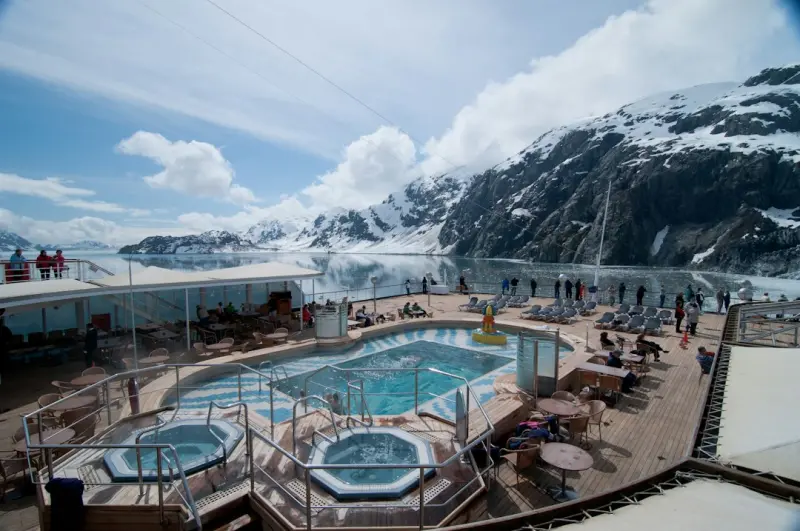
Why the Classic Cruise‑and‑Bus Tour Duo Is Getting a Makeover
When I first stepped onto a cruise ship at the age of twelve, the whole world felt like a floating resort. Fast forward a decade, and I’m hopping on a double‑decker bus in a seaside town, notebook in hand, hunting the stories that don’t make the glossy brochure. Those two experiences—glamorous sea‑bound relaxation and gritty, ground‑level discovery—have always lived on opposite ends of my travel personality. Lately, however, they’re colliding in a way that feels less like a mash‑up and more like a natural evolution.
The Birth of the “Hybrid Adventure” Model
Travel operators have begun to stitch together the best of both worlds: a short‑duration cruise that drops passengers at strategically chosen ports, followed by a curated bus itinerary that dives deeper into the region’s culture, cuisine, and community projects. Think of it as a “two‑stage immersion” where the ship provides the macro‑view—spectacular coastlines, sunrise at sea, onboard workshops—while the bus tour delivers the micro‑view: local markets, artisans’ workshops, and hidden trails that a ship‑only itinerary would skim over.
This model isn’t just a novelty; it’s a response to three converging traveler demands:
- Authenticity. Modern explorers crave genuine connections, not just photo‑ops.
- Sustainability. Reducing carbon footprints means fewer long‑haul flights and smarter use of existing transport assets.
- Value. Travelers want a packed itinerary that feels cohesive, not a series of disjointed activities.
How the Hybrid Model Solves the “Hidden Costs” Puzzle
One of the biggest frustrations for vacationers is discovering hidden expenses once they’re on the road—unexpected fees for shore excursions, pricey taxis, or last‑minute accommodation upgrades. By integrating a bus component directly into the cruise package, operators can bundle these costs transparently. The result? A cleaner price tag and fewer unpleasant surprises.
For instance, a cruise line might partner with a regional bus company to offer a pre‑booked day‑long cultural tour that includes entry fees, lunch, and a guide. Because the cost is baked into the cruise fare, travelers can budget confidently, and operators can negotiate bulk rates that lower the overall price for everyone.
Designing the Perfect Hybrid Itinerary
Creating a seamless cruise‑bus experience requires careful choreography. Below is a blueprint I’ve seen work wonders for both operators and guests:
- Strategic Port Selection. Choose ports that serve as gateways to diverse attractions within a 2‑3 hour bus radius. Coastal towns with historic districts, vineyards, or nature reserves are ideal.
- Timed Disembarkation. Align the ship’s docking schedule with the bus’s departure window (typically 9 am‑12 pm). This reduces idle time and keeps the day’s momentum.
- Local Partnerships. Work with community‑run businesses—family‑owned restaurants, cooperatives, and cultural centers—to craft authentic experiences.
- Eco‑Focused Transportation. Opt for low‑emission buses or even electric minibuses where infrastructure permits. This ties directly into the sustainability narrative.
- Interactive Elements. Incorporate workshops, such as a cooking class using locally sourced ingredients, or a guided hike that includes a brief talk on regional ecology.
- Post‑Tour Integration. Offer a “return to ship” lounge with complimentary refreshments, allowing guests to unwind before heading back for evening entertainment.
Case Study: The Pacific Northwest “Coastal‑to‑Countryside” Route
One operator recently launched a 5‑day itinerary that begins with a two‑night cruise along the rugged British Columbia shoreline. On day three, guests disembark at Victoria and board an electric‑powered bus for a day‑long journey through the interior valleys. Highlights include:
- A visit to a farm‑to‑table pop‑up kitchen where chefs demonstrate hyper‑local sourcing techniques.
- A guided walk through an Indigenous art gallery, followed by a hands‑on weaving workshop.
- Wine tasting at a family‑run vineyard that practices biodynamic farming.
Feedback surveys show a 42 % increase in “memorable experience” scores compared with the cruise‑only version of the same route. Guests repeatedly mention the “unexpected depth” of the day’s activities, proving that the hybrid model can transform a routine port stop into a highlight of the entire trip.
Technology’s Role: From Data to Delight
Behind the scenes, data analytics play a subtle yet vital role. By analyzing past passenger preferences—such as a spike in interest for culinary experiences or wildlife tours—operators can dynamically adjust bus itineraries to match demand. This is where the insights from our internal research on ambient sensors become surprisingly relevant: the same sensor technology can monitor bus occupancy, air quality, and even passenger mood, allowing for real‑time tweaks that enhance comfort.
Moreover, a mobile app synced with the cruise’s itinerary can push push notifications, offer AR‑enhanced maps of the bus route, and let travelers rate each stop on the fly. The data collected feeds back into the planning cycle, making each subsequent voyage smarter and more tailored.
Why Sustainable Travel Lovers Should Pay Attention
The hybrid model aligns perfectly with the growing “low‑impact tourism” movement. By consolidating land travel into a single, efficient bus leg, you reduce the need for multiple private car rentals or individual taxis. Many operators are also exploring carbon‑offset programs that plant trees in the regions visited, creating a tangible link between the journey and the local environment.
In practice, this could look like a partnership with a regional reforestation project, where a portion of each ticket funds tree planting along the bus route. Travelers receive a digital “growth tracker,” turning their vacation into a stewardship experience.
Tips for Travelers Looking to Book Their First Hybrid Adventure
If you’re intrigued by the idea of blending cruise luxury with bus‑tour authenticity, here are five practical steps to ensure you get the most out of the experience:
- Research the Operator’s Sustainability Credentials. Look for certifications, carbon‑offset commitments, and evidence of local community engagement.
- Check the Bus Fleet Details. Electric or low‑emission buses signal a genuine eco‑focus.
- Read Guest Reviews on the Land Component. Since the bus leg is often the differentiator, pay close attention to comments about guides, timing, and authenticity.
- Pack Smart. Bring versatile clothing for both sea breezes and inland climates, plus a reusable water bottle for the bus day.
- Engage with Locals. Take advantage of any “meet‑the‑maker” sessions or community tours; these are the moments that transform a trip from a checklist into a story.
Looking Ahead: The Future of Integrated Travel
As the travel industry grapples with post‑pandemic realities, the hybrid cruise‑bus model offers a blueprint for resilience. It diversifies revenue streams for cruise lines while providing local economies with a steady flow of visitors. In an era where travelers demand both comfort and authenticity, this synergy could become the new standard.
Imagine a world where every cruise includes a curated bus day that’s as thoughtfully designed as the ship’s entertainment schedule—a day where you leave the deck for a stroll through a centuries‑old market, taste a dish prepared with ingredients harvested that very morning, and return to the ship with a notebook full of stories and a new appreciation for the land you just explored. That’s the future I’m excited to navigate, and I hope you’ll join me on the journey.

Related Posts

Reimagining the Open Road: Data‑Driven Personalization Transforms Cruises & Bus Tours
The travel landscape is shifting as data, sustainability, and immersive storytelling merge, turning ... Read More
Charting a Carbon‑Neutral Course: How Real‑Time Data and Passenger Power Are Steering Cruise and Bus Tours Toward Sustainability
A deep dive into the emerging ecosystem of carbon‑neutral travel, highlighting real‑time data, p... Read More
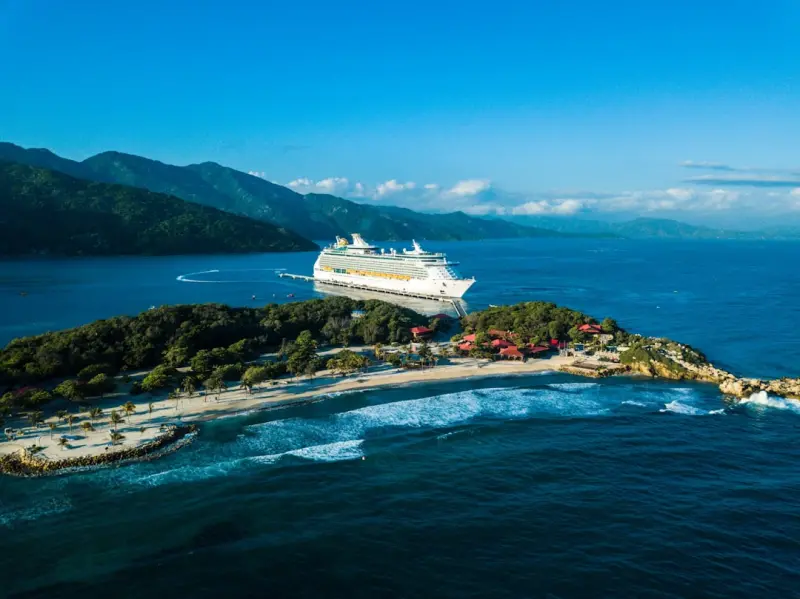
Hybrid Sea‑Land Adventures: Rethinking Cruises & Bus Tours
Explore the rise of hybrid sea‑land travel, where cruises partner with bus tours for seamless, sus... Read More
Top Posts
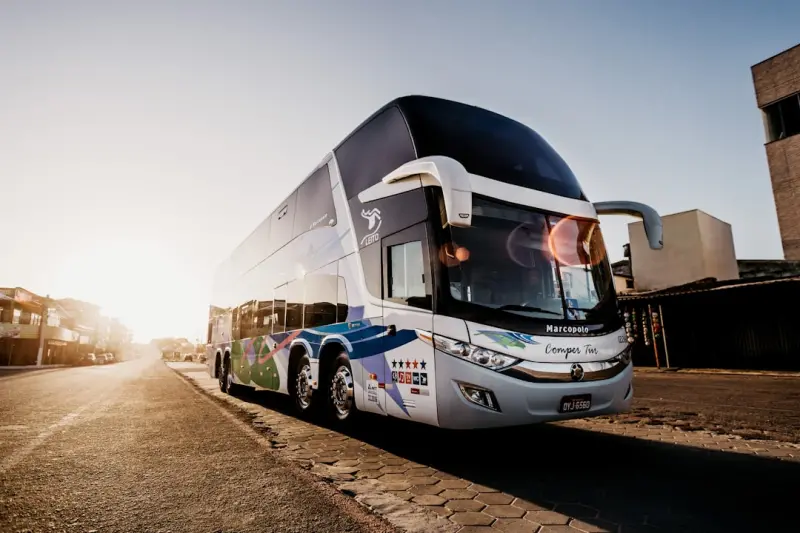
Exploring Uncharted Itineraries: How Niche Cruise Themes and Boutique Bus Routes Redefine the Road Trip
A fresh look at merging luxury cruises with boutique bus routes, offering travelers authentic, immersive adventures that blend sea and land in unforgettable way...Read More

Fermentation Meets Seasonality: A Fresh Path to Vibrant Health
Explore the synergy of fermentation, seasonal eating, and wild foraged greens to create nutrient‑rich meals that nourish your gut and elevate daily vitality....Read More

From Coast to Prairie: How Community Energy Cooperatives Are Redefining Canada’s National Grid
Community‑owned renewable projects are emerging across Canada, offering economic, social, and environmental benefits. This post examines how cooperatives can ...Read More

AI‑Crafted Itineraries: How Smart Tech Is Redefining Cruises & Bus Tours
Discover the rise of AI‑driven personalization in cruises and bus tours, from health‑focused itineraries to real‑time adjustments, and learn how travelers...Read More
0 Comments
Post Comment
You will need to Login or Register to comment on this post!