
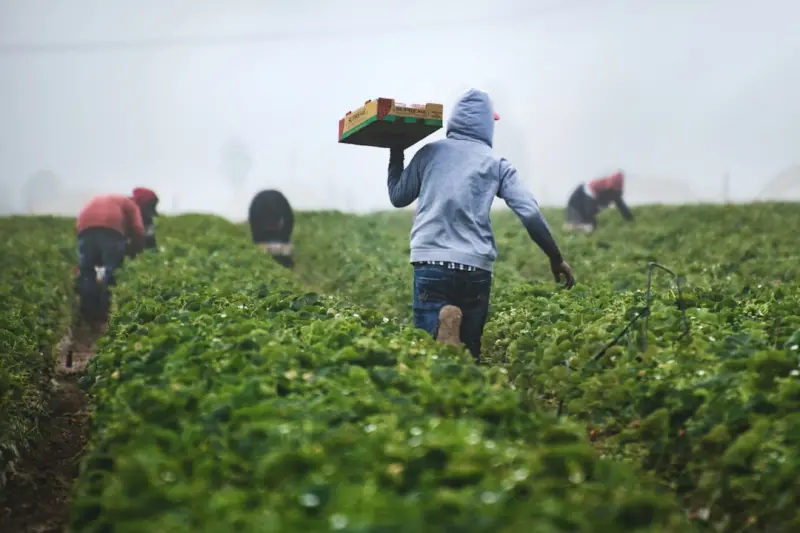
Rooted in Soil, Growing Resilience
Every sunrise over the prairie, I hear the whisper of the wind across endless rows of canola, reminding me that farming in Canada is as much a conversation with the land as it is a livelihood. Over the past decade, the rhythm of planting and harvesting has been reshaped by unprecedented market swings, climate surprises, and a collective yearning for purpose beyond profit, prompting many of us to rethink what it means to be a steward of the earth. In this moment, I’m sharing the lessons learned on my own family farm, where tradition meets a bold, new vision for sustainable success.
Mental Health: The Unspoken Harvest
Isolation on the field can be a silent companion, and the weight of unpredictable yields often translates into anxiety that no weather forecast can predict, making mental‑wellness an essential, yet overlooked, component of a thriving farm operation. Communities across the country are forming peer‑support circles, offering a safe space where we can swap stories of drought, triumph, and the simple joy of a sunrise over a freshly plowed field, fostering resilience that ripples beyond individual farms. Recognizing that a healthy mind cultivates a healthy harvest has become a rallying cry, encouraging us to prioritize self‑care as fiercely as we protect our crops.
Regenerative Practices: Giving Back to the Land
Regenerative agriculture isn’t a buzzword; it’s a return to the age‑old principle that the soil must be nourished to sustain life, prompting many Canadian growers to adopt cover cropping, reduced tillage, and holistic grazing that rebuild organic matter and lock away carbon. By rotating legumes with cereals, we introduce nitrogen naturally, reducing dependency on synthetic fertilizers while enhancing biodiversity that attracts beneficial insects and pollinators essential for a balanced ecosystem. The results are measurable—a deeper, crumbly soil profile, higher water retention during dry spells, and a sense of partnership with the land that feels both ancient and profoundly modern.
Tech on the Tiller: Harnessing AI for Decision‑Making
Modern farms are no longer defined solely by horsepower and plowshares; they now pulse with data streams from satellite imagery, soil sensors, and predictive analytics that guide every planting decision with surgical precision. Tools like AI decision dashboards translate complex datasets into actionable insights, allowing us to anticipate pest pressures, optimize irrigation schedules, and allocate resources where they’ll generate the greatest return on investment. This marriage of tradition and technology not only boosts profitability but also reduces waste, aligning economic health with ecological stewardship.
Climate Adaptation: Diversifying for Uncertainty
From the coastal fog of British Columbia to the bitter winds of the Prairies, climate variability demands a portfolio approach to crops, prompting many of us to experiment with hardy varieties like oat‑pea blends, dwarf wheat, and even specialty beans that thrive under fluctuating temperature regimes. Diversification spreads risk, ensuring that a sudden frost or unexpected heatwave doesn’t wipe out an entire season’s income, while also opening niche markets that value locally adapted, climate‑resilient produce. By weaving flexibility into the planting calendar, we create a buffer that safeguards both our families and the broader food system.
Connecting the Plate to the Farm: Storytelling as Currency
Consumers are hungry for more than just fresh vegetables; they crave the narrative behind each bite, a story that links the farmer’s hands to the dinner table, creating a bond that transcends price tags. Farm‑to‑table initiatives now incorporate virtual tours, QR‑coded field notes, and seasonal newsletters that invite diners into the rhythm of planting, tending, and harvesting, turning each meal into an educational experience. This transparent dialogue not only commands premium prices but also cultivates a loyal community that champions sustainable practices and supports local agriculture year after year.
Purpose‑Driven Growth: Aligning Profit with Planet
When the focus shifts from short‑term margins to long‑term impact, farms become engines of social and environmental change, embodying a model where profit fuels purpose rather than eclipses it. By adopting principles outlined in purpose‑driven growth, many Canadian growers are reinvesting earnings into soil health programs, renewable energy installations, and community education, forging a virtuous cycle that benefits the ecosystem, the economy, and the next generation of farmers. This holistic approach redefines success, measuring it not just in bushels harvested but in the lasting health of the land and the wellbeing of the people who depend on it.
Looking Forward: A Collective Harvest of Hope
As we stand at the crossroads of tradition and innovation, the future of Canadian agriculture will be written by those who dare to blend old‑world wisdom with cutting‑edge science, forging a resilient path that honors the soil, the farmer, and the consumer alike. The journey ahead will require collaboration—between researchers, policymakers, and the hands‑on growers who coax life from the earth each day—ensuring that our fields remain vibrant, productive, and sustainable for generations to come. Together, we can sow a legacy of abundance that feeds bodies, minds, and the planet, one thoughtful decision at a time.

Related Posts
Reaping the Future: How Canadian Farmers Turn Soil Into Digital Gold
From high‑resolution soil dashboards to solar‑powered barns, Canadian farmers are merging age‑... Read More
From Soil to Software: How Canadian Farmers Are Turning Climate Chaos into a Competitive Edge
Canadian farmers are reshaping the industry with regenerative agriculture, farmer‑owned data coope... Read More

From Soil to Software: The Subtle Tech Wave Transforming Canadian Family Farms
Canadian family farms are quietly adopting sensors, drones, AI forecasting, and direct‑to‑consum... Read More
Top Posts

Cost of Living as a Strategic KPI: Turning Regional Expenses into SaaS Growth
Learn how SaaS leaders can transform cost‑of‑living data into a powerful strategic metric, aligning compensation, hiring, and pricing to drive growth and re...Read More

The Rise of Seamless Sea‑to‑Road Journeys for the Connected Explorer
Modern travelers are blending ocean cruises and bus tours into a fluid adventure, leveraging technology, wellness design, and eco‑conscious planning to create...Read More

Breathing Into Better Health: A Practical Guide to Everyday Breathwork
Explore the science behind breathwork and learn practical techniques that fit seamlessly into your daily routine, enhancing stress relief, sleep, and overall he...Read More

Rethinking Everyday Expenses for Modern Professionals
A deep dive into the unseen drains on your budget—subscriptions, remote‑work costs, and lifestyle inflation—and actionable steps to plug the leaks and bui...Read More
0 Comments
Post Comment
You will need to Login or Register to comment on this post!