
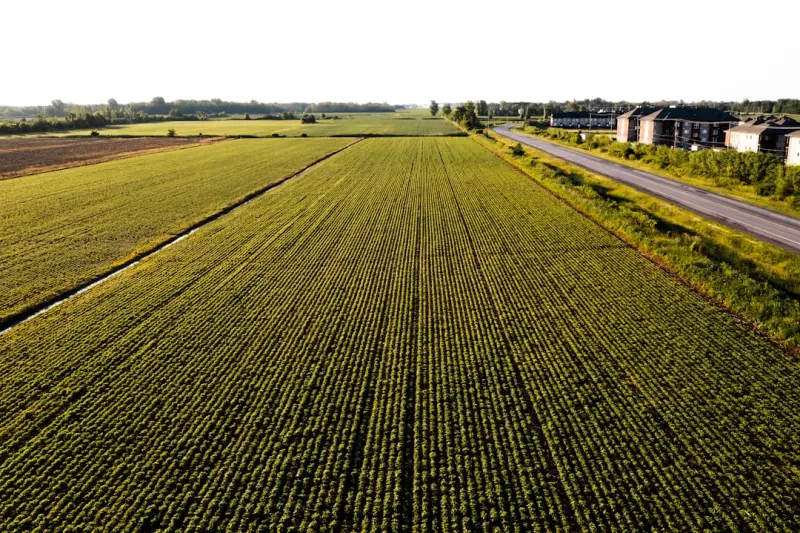
When the first light of dawn filters through the rows of corn, the hum of a solar array becomes as familiar as the croak of a meadowlark. I’ve spent three generations tending to the soil in southwestern Ontario, and the biggest shift I’ve seen isn’t in the seed varieties or the tractors—it’s the panels perched on our barns, silently converting sunlight into a new kind of harvest. This transformation is more than a tech add‑on; it’s a cultural pivot that redefines what it means to be a Canadian farmer in the 21st century.
Why Solar, Why Now?
Canada’s agricultural sector has always been a climate‑responsive industry. From the frost‑hardy wheat of the Prairies to the berry‑rich farms of British Columbia, growers have learned to read the weather like a second language. The same weather patterns that once dictated planting calendars now offer a reliable, renewable power source. Electricity rates in rural areas have been creeping upward for years, and the real‑time tariff intelligence that big‑city utilities use to price demand spikes is finally reaching the back‑roads. By generating our own power, we sidestep volatile grid costs and gain a buffer against the unpredictable spikes that can cripple a growing season’s budget.
From Sunlight to Savings: The Economics of Farm‑Scale Solar
The math is straightforward: a 1‑megawatt solar installation can offset roughly 1.2 million kilowatt‑hours of electricity annually, translating to tens of thousands of dollars in savings. For a typical mixed‑crop operation, that means more capital to reinvest in precision irrigation, soil health amendments, or even a new line of heirloom tomatoes. The initial capital outlay, once a barrier, has softened thanks to government incentives, zero‑interest loans, and community‑shared‑ownership models that let neighboring farms co‑invest and share the credit. The payoff period is often under ten years, after which the energy is essentially free, and any surplus can be sold back to the grid under net‑metering agreements.
Designing a Farm That Works With the Sun
Installing solar panels isn’t a one‑size‑fits‑all proposition. It starts with a site assessment that looks beyond roof space. Ground‑mounted arrays can be positioned to avoid shading during critical growth stages, and some farms are even rotating panels seasonally to maximize exposure while preserving pasture for livestock. The layout must consider irrigation lines, drainage patterns, and the seasonal swing of equipment traffic. In my own operation, we staggered the panels so that the south‑facing rows receive full sun during the summer heat, while the north‑facing sections stay cooler for the winter wheat that needs a gentler light.
Integrating Solar With Crop Planning
Energy generation can be woven into the planting calendar itself. During the long daylight hours of summer, solar output peaks just as water demand spikes for corn and soybeans. By aligning irrigation pump schedules with peak solar production, farms can run pumps directly off the panels, reducing reliance on diesel generators or grid power. This seasonal synergy not only cuts fuel costs but also lowers the carbon footprint of each kilogram of grain harvested. The result is a more resilient operation that can weather both market and meteorological turbulence.
Data, Sensors, and the New Farm Dashboard
Modern farms are already data‑rich environments, with soil moisture sensors, drone‑based NDVI scans, and livestock health monitors feeding into a central dashboard. Solar arrays add another layer of telemetry: real‑time power output, battery storage levels, and predictive maintenance alerts. Integrating this information allows managers to make split‑second decisions—like diverting excess power to an on‑site battery during a sunny spell, then using that stored energy to power greenhouse heating on a cloudy night. The convergence of renewable energy and precision agriculture is turning farms into micro‑grids that can operate autonomously when the main grid falters.
Community Impact: Beyond the Farm Fence
The ripple effects of farm‑scale solar extend well beyond the acreage. Rural towns that once suffered from unreliable electricity can benefit from the stability a nearby micro‑grid provides. Some cooperatives have pooled their solar generation to supply local schools, community centers, and even small businesses, creating a shared energy economy that keeps dollars circulating within the region. Moreover, the visual presence of clean energy installations helps shift public perception, positioning agriculture as a leader in climate action rather than a contributor to emissions.
Challenges and How to Overcome Them
No revolution is without its hurdles. Permitting processes can be labyrinthine, especially when heritage structures or wildlife corridors are involved. Financing remains a hurdle for smaller farms without access to capital markets. To navigate these obstacles, many growers are partnering with renewable energy developers who bring expertise in regulatory compliance and financing, while still allowing farmers to retain ownership of the panels. Another emerging solution is the rise of “energy as a service” models, where a third party installs, maintains, and operates the solar system, paying the farmer a fixed lease rate that is often lower than traditional electricity costs.
Stories From the Field
Take the case of a family farm in the Annapolis Valley that installed a 500‑kilowatt system on its dairy barns. Within three years, the farm reported a 30 % reduction in operating expenses, freeing up cash to expand its organic cheese line. In the Okanagan, a vineyard harnessed solar power to run its temperature‑controlled fermentation tanks, ensuring that every bottle benefits from a consistent, low‑carbon production process. These narratives illustrate that the financial upside is closely intertwined with brand storytelling—consumers increasingly reward producers who can demonstrate genuine sustainability practices.
Policy Landscape: What’s on the Horizon?
The Canadian federal and provincial governments have signaled a commitment to renewable energy through tax credits, feed‑in tariffs, and carbon pricing mechanisms. However, policy consistency is crucial. Farmers need long‑term certainty that incentives won’t vanish mid‑project, and that net‑metering rules will remain favorable. Advocacy groups are now lobbying for a “Farm Renewable Energy Act” that would streamline approvals, protect farmer‑owned assets, and establish a transparent marketplace for excess power sales.
Future Outlook: Beyond Solar
Solar is the gateway technology, but the horizon includes wind turbines, biogas digesters, and even hydrogen production from excess solar electricity. Imagine a farm where surplus solar power electrolyzes water to create hydrogen, which can then fuel on‑site tractors or be sold as a clean fuel to neighboring industries. The integration of multiple renewable streams will create a diversified energy portfolio that further insulates farms from market volatility and climate risk.
Getting Started: A Practical Checklist
- Assess Your Site: Conduct a solar feasibility study that evaluates sun exposure, shading, and land use constraints.
- Map Energy Needs: Chart out your peak electricity usage—irrigation, refrigeration, processing—and align it with solar generation patterns.
- Explore Financing: Research government grants, low‑interest loans, and partnership models that match your scale.
- Choose Ownership Model: Decide between outright purchase, lease, or energy‑as‑a‑service based on cash flow and risk tolerance.
- Integrate With Data Systems: Connect solar telemetry to your existing farm management platform for real‑time optimization.
- Engage the Community: Communicate benefits to local stakeholders to build support and possibly create shared‑energy agreements.
- Plan for Maintenance: Set up a schedule for panel cleaning, inverter checks, and warranty tracking.
Solar isn’t a silver bullet, but it is a powerful tool in the modern farmer’s kit. By turning the same sun that nurtures our crops into clean electricity, we can lower costs, boost resilience, and showcase agriculture as a steward of the land. The next time you see a field of glistening panels stretching toward the horizon, remember that it’s not just a power plant—it’s a new kind of harvest, one that feeds both the soil and the future.

Related Posts
Cultivating Tomorrow: How Canadian Farmers Harness Data, Community, and Resilience
Canadian agriculture is evolving through data‑driven precision farming, renewable energy integrati... Read More
From Seed to Sensor: Canadian Farmers Harness Real‑Time Data for a Greener Tomorrow
Canadian farmers are turning to real‑time data, IoT sensors, and AI to boost productivity, reduce ... Read More
The Unseen Struggles of Canadian Farmers
Canadian farmers face unseen struggles due to economic uncertainty, tariffs, and global trends. Lear... Read More
Top Posts
Regenerative Roots: Canadian Farmers Transform Soil into Climate Solutions
Canadian farmers are turning to regenerative agriculture—cover crops, reduced tillage, and integrated livestock—to restore soil health, cut inputs, and gene...Read More

Discovering Ontario’s Hidden Fishing Gems: A Personal Journey
From remote lakes to sustainable tackle, join an Ontario angler’s adventure discovering hidden waters, local traditions, and fresh ways to enjoy the catch....Read More

City Streets, Gourmet Feasts: The New Frontier of Hyper‑Local Foraging
Explore the rise of hyper‑local foraging in cities, where wild greens, street fruit, and edible flowers become gourmet ingredients, fostering sustainability, ...Read More

When Home Becomes Office: Navigating the Hidden Cost‑of‑Living Shift
A deep dive into the hidden utilities, internet, ergonomic, and psychological costs of turning your home into a permanent office, with practical strategies to k...Read More
0 Comments
Post Comment
You will need to Login or Register to comment on this post!