
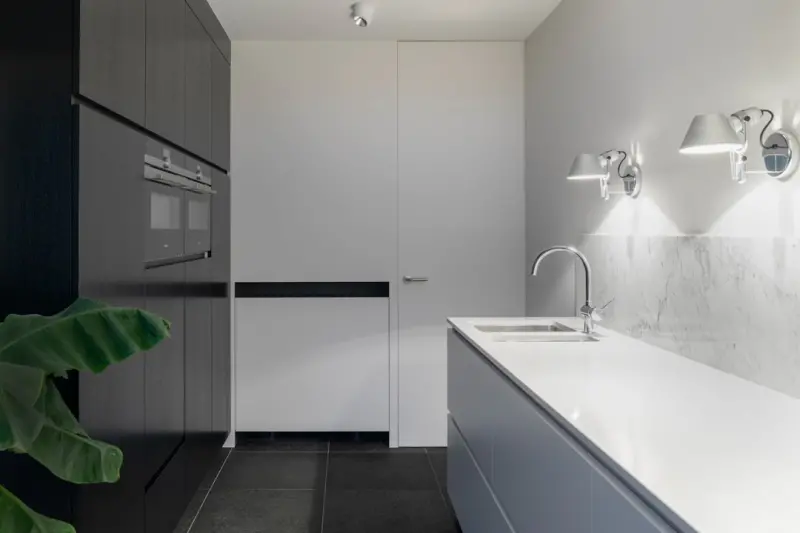
Opening the Kitchen Door
Stepping into a bustling downtown bistro last spring, I found myself drawn not to the polished tables or the soft glow of pendant lights, but to the gleaming stainless‑steel stage where chefs tossed, seared, and plated with a confidence that felt almost theatrical. The open kitchen, framed by a glass partition, turned a routine dinner into a backstage pass, letting me witness the choreography of heat, timing, and instinct that most diners never see. In that moment I realized the space was more than a design fad; it was a conversation starter, a silent promise that the food on my plate was crafted under my very eyes. Seeing the process demystified the menu and sparked a curiosity that lingered long after the dessert was cleared.
My fascination grew as I recalled a similar scene from a coastal eatery in my hometown, where the chef’s flambé sparked a burst of orange light that danced across the room, drawing laughter from strangers who suddenly felt like co‑contributors to a shared experience. The open kitchen, I learned, has roots in the early taverns of Europe where patrons would watch their meat roast over an open fire, trusting the butcher’s skill without a written menu. That lineage of transparency, stretched across centuries, underscores a fundamental human desire to connect the source of our sustenance with the act of consuming it, a desire that modern restaurateurs are now amplifying through glass and steel.
Beyond the novelty, the open kitchen serves a practical purpose that often goes unnoticed: it forces chefs to maintain a level of discipline and cleanliness that a hidden prep room might not demand. Every splash of sauce, every stray crumb, becomes visible, prompting a culture of meticulousness that filters through the entire service. For me, observing a line cook swiftly whisk a beurre blanc while simultaneously checking a temperature probe felt like watching a live performance of precision, where any misstep would be caught by the entire room. This heightened accountability not only reassures diners but also elevates the culinary craft, turning the kitchen into a transparent laboratory where innovation is measured in both flavor and integrity.
Transparency as a Trust Builder
When restaurants choose to expose their cooking arena, they are making a deliberate statement about trust, inviting guests to become witnesses rather than passive consumers. In my own experience, the simple act of watching a pastry chef pipe a delicate macaron batter while explaining the almond‑flour ratio felt like a personal tutorial, eroding the barrier between expert and amateur. This openness cultivates a sense of partnership, where diners feel they have earned a seat at the table not just by paying the bill but by engaging with the story behind each bite.
Psychologically, the open kitchen taps into the brain’s desire for authenticity; research shows that visual confirmation of food preparation can increase perceived quality by up to 30 percent. As a frequent visitor to venues that hide their backsides behind closed doors, I often felt a vague skepticism, wondering whether shortcuts were being taken. The clear line of sight dispels those doubts, replacing them with a palpable excitement that the chef is performing live, much like a musician on stage. This shift from suspicion to celebration is subtle yet powerful, turning the act of eating into an immersive narrative that reinforces brand loyalty without the need for overt marketing.
Chefs, too, have embraced this spotlight, rethinking their approach to plating as a form of storytelling that unfolds before the guest’s eyes. Instead of a rushed assembly in a concealed area, they now arrange components with deliberate pacing, allowing diners to watch the transformation from raw ingredient to finished dish. I recall a night when a sous‑chef layered heirloom tomatoes, basil, and a drizzle of aged balsamic in slow motion, each layer accompanied by a brief comment on the farm’s sustainable practices. That moment blended culinary art with education, reinforcing the restaurant’s ethos and turning a simple salad into a lesson in regional stewardship.
Design, Data, and the Modern Plate
While the open kitchen itself is a visual conduit, the surrounding design amplifies its impact, weaving lighting, acoustics, and furniture into a cohesive experience. Soft, directional lighting highlights the sizzle of a hot pan without casting harsh shadows, while acoustic panels absorb the clatter, ensuring conversation remains intimate despite the bustling activity. I’ve noticed that when these elements harmonize, the kitchen becomes a backdrop rather than a distraction, allowing the aromas and sounds of cooking to enhance, rather than overwhelm, the dining atmosphere.
Interestingly, the transparency of open kitchens dovetails with the rise of data‑driven dining strategies, a trend explored in data-driven dining trends. Restaurants now collect real‑time feedback on wait times, heat levels, and even scent intensity, using the visible kitchen as a live data source to fine‑tune service. Yet, the human element remains paramount; the data informs adjustments, but the chef’s intuition and the diner’s sensory response ultimately shape the final experience. This synergy creates a feedback loop where technology supports, rather than replaces, the artistry of open‑kitchen cooking.
Environmental responsibility also finds a natural ally in open kitchens, particularly when establishments pair transparency with waste‑reduction initiatives. By allowing patrons to see scraps being repurposed into stocks or garnishes, restaurants demystify the journey from kitchen waste to culinary asset. In one memorable visit, I watched a line cook transform vegetable peels into a fragrant herb‑infused oil, a process that later earned a mention in a cocktail menu championing the zero‑waste cocktail movement. This visual proof of sustainability not only educates diners but also reinforces the restaurant’s commitment to responsible sourcing, turning each sip into a statement of conscientious consumption.
Looking ahead, I believe the open kitchen will evolve beyond mere visibility, integrating augmented reality overlays that highlight ingredient origins or cooking temperatures for the tech‑savvy diner. Imagine a tablet that, when pointed at the sauté station, displays the farm’s latitude, the seed variety, and the carbon footprint of each vegetable—a seamless blend of transparency and education. Such innovations could deepen the connection between plate and palate, fostering a generation of diners who demand both flavor and factual provenance. Yet, the core promise remains unchanged: an honest view of the culinary process that builds trust, celebrates skill, and invites every guest to become a part of the story.
For restaurateurs contemplating this shift, the first step is to assess whether their kitchen workflow can sustain the added pressure of constant observation. Training staff to maintain composure, refining plating choreography, and investing in design elements that balance visibility with ambiance are essential. For diners, the open kitchen offers an invitation to ask questions, to savor not just the taste but the effort, and to recognize the people behind the plates. By embracing this transparent dialogue, both parties contribute to a dining culture that values honesty, craftsmanship, and shared experience—a culture that, in my view, will define the next era of culinary excellence.

Related Posts

Ghost Kitchens and the Future of Dining: What Restaurants Need to Know
A deep dive into the rise of ghost kitchens, their operational advantages, challenges, and how tradi... Read More
Modular Dining: How Restaurants Are Rebuilding Spaces for Flexibility and Community
Restaurants are shifting from static floor plans to flexible, modular spaces that adapt to consumer ... Read More

Ghost Kitchens, Subscription Dining, and the Future of Restaurant Real Estate
Ghost kitchens, subscription dining, and augmented reality menus are converging to transform restaur... Read More
Top Posts

How Canada’s Digital Parliament Is Redefining Civic Engagement
A deep dive into Canada’s shift toward digital governance, examining online participation, cybersecurity, Indigenous tech sovereignty, and the promise of e‑...Read More

Political Crowdfunding in Canada: Small Donors, Big Impact
Political crowdfunding is democratizing campaign finance in Canada, allowing everyday citizens to fund change directly. This post examines its rise, regulatory ...Read More

Discovering the Wonders of Little Canada: A Miniature Journey Across the Nation
As a passionate explorer and lover of all things Canada, I was utterly captivated when I first heard about Little Canada. The concept alone – a vast, meti...Read More

Navigating the Nuances of Canadian Healthcare: A Personal Journey
A deep dive into Canada’s health system reveals its universal strengths, lingering wait times, mental health strides, and the vital role of community-driven s...Read More
0 Comments
Post Comment
You will need to Login or Register to comment on this post!