
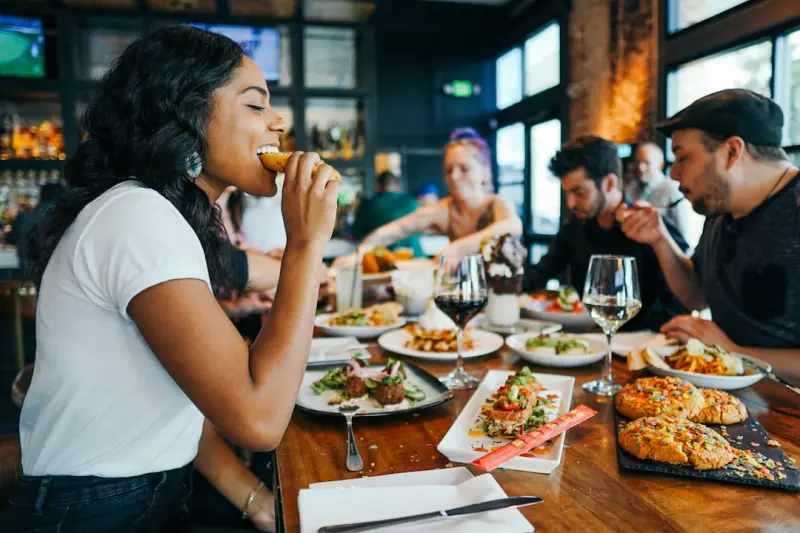
Walking into a restaurant today feels less like a simple meal and more like stepping onto a stage where every detail has been choreographed for the senses. I still remember the first night I dined at a place that projected a sunrise over the table while serving citrus‑infused oysters; the experience lingered longer than the flavor itself, reminding me that modern diners crave stories as much as sustenance. That moment sparked my obsession with eateries that treat the plate as a canvas and the dining room as an immersive gallery, a shift that is quietly redefining what we call eating out and prompting chefs to think beyond the kitchen.
The rise of multisensory design is not a fleeting gimmick but a strategic response to a generation that scrolls through Instagram before it orders. Restaurants now layer ambient soundtracks, tactile décor, and even curated scents to amplify the taste profile, turning a bite of seared duck into a memory that smells faintly of cedar and feels as smooth as silk. By engineering an environment that engages sight, sound, smell, and touch, these venues create a dopamine‑rich loop that keeps guests returning, not merely for the food but for the feeling of being part of a living artwork.
Community has also become a cornerstone of this experiential wave, as diners seek spaces that reflect their neighborhood’s personality rather than a homogenized brand. I’ve watched local bistros transform vacant storefronts into communal kitchens where patrons can watch the chef plate by plate, fostering a sense of ownership and pride that a chain cannot replicate. This hyper‑local focus builds loyalty that is rooted in identity, turning a regular Thursday dinner into a ritual that ties individuals to the heartbeat of their city.
The Secret Sauce: Data‑Driven Loyalty That Feels Personal
While ambiance captures attention, the real engine of repeat business lies in loyalty programs that have shed the one‑size‑fits‑all model for hyper‑personalization. Gone are the days of generic point systems; today’s restaurants use purchase histories, time‑of‑day preferences, and even weather patterns to craft offers that appear almost psychic. When a café knows you love a caramel latte on rainy mornings and sends a subtle discount just before the clouds roll in, the gesture feels intimate rather than transactional.
Artificial intelligence now powers these nuanced campaigns, analyzing hundreds of data points to predict what you’ll crave next. For example, a fine‑dining spot might notice you’ve ordered a particular wine three times in the past month and automatically suggest a limited‑edition pairing at a discounted rate, turning a routine reservation into a curated experience. This is where the smart dining deals concept truly shines, allowing restaurants to reward genuine preferences without overwhelming guests with irrelevant coupons.
However, with great data comes great responsibility; diners are increasingly wary of invasive tracking, so transparency is key. Restaurants that clearly explain how they use information, give easy opt‑out options, and protect data with robust security measures earn trust that translates into long‑term patronage. The sweet spot is a loyalty ecosystem that feels like a friendly concierge rather than a corporate surveillance tool, where every perk reinforces the feeling that the restaurant knows you—and respects you.
Pop‑Up Kitchens and the Future of Neighborhood Dining
Pop‑up kitchens have exploded from underground experiments into mainstream staples, offering chefs the freedom to test concepts without the overhead of a permanent storefront. I’ve attended a rooftop ramen pop‑up that could accommodate only ten guests at a time, yet the buzz it generated rivaled that of a city‑wide franchise. These temporary spaces act as culinary incubators, allowing innovators to iterate rapidly, gather real‑time feedback, and pivot before committing to a full‑scale launch.
What makes pop‑ups especially powerful is their symbiotic relationship with local producers, creating a feedback loop that celebrates regional bounty. By sourcing ingredients on the fly, chefs can craft menus that evolve with the season, turning scarcity into creativity. This approach dovetails perfectly with seasonal menu strategies, where the menu is a living document that mirrors the harvest calendar, reducing waste and deepening the connection between diner and farm.
Looking ahead, the convergence of pop‑up agility, data‑driven loyalty, and immersive design suggests a future where dining is less about static locations and more about fluid experiences that appear where and when the community desires them. As cities reimagine vacant lots, underutilized storefronts, and even shipping containers as culinary playgrounds, the traditional brick‑and‑mortar restaurant will no longer be the sole gatekeeper of good food. Instead, a network of adaptable, hyper‑local eateries will emerge, each offering a uniquely curated moment that keeps diners curious, satisfied, and eager for the next surprise.

Related Posts

Why Real‑Time Data Is the New Front‑Row Seat in Restaurants
Discover how real‑time data is revolutionizing restaurant operations—from kitchen dashboards and... Read More
Ghost Kitchens: Redefining Restaurant Real Estate and Reach
Ghost kitchens are turning the restaurant world upside down by eliminating dining rooms, slashing ov... Read More
The Ghost Kitchen Revolution: AI, Sustainability, and the New Front‑of‑House
Ghost kitchens are evolving beyond delivery‑only spaces into AI‑powered hubs that blend sustaina... Read More
Top Posts

Unlocking Unexpected Savings: A B2B SaaS Buyer’s Guide to Smarter Deals
A seasoned B2B buyer shares three under‑the‑radar levers—usage forecasts, cross‑product bundles, and fiscal timing—to turn headline discounts into las...Read More

Parental Warning: The Silent Surveillance of Kids’ Smart Speakers
Smart speakers listen constantly, creating detailed profiles of children’s habits and preferences. This post uncovers the hidden privacy risks and offers acti...Read More

Regional Populism’s Rise: Redefining Canada’s Federal‑Provincial Balance
A fresh look at Canada’s political shift as regional populist movements push for greater provincial autonomy, testing the balance of power and redefining citi...Read More

The SaaS Savings Audit: How to Uncover and Capture Hidden Value
A practical guide walks you through a ten‑step SaaS savings audit, from inventory to continuous monitoring, helping businesses cut waste, negotiate better ter...Read More
0 Comments
Post Comment
You will need to Login or Register to comment on this post!