
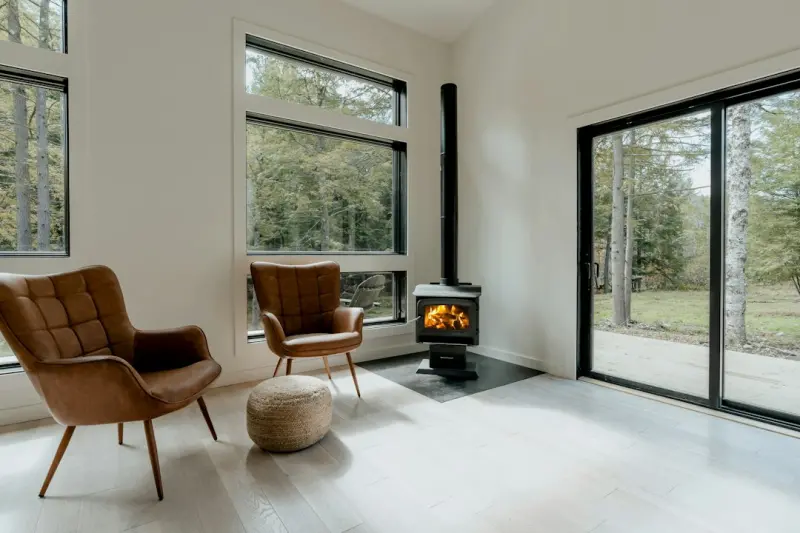
Why the Cabin Aesthetic Is Making a Comeback
There’s something undeniably magnetic about the scent of pine, the crackle of a wood‑burning stove, and the expansive view of a lake framed by a roof that seems to belong to the land itself. Over the past few years I’ve watched a subtle but powerful shift in how Canadians think about their homes: the sleek, glass‑boxed city loft is giving way to the warm, tactile embrace of cabin‑style living. It isn’t just nostalgia; it’s a response to rising energy costs, a desire for deeper connection to nature, and the growing availability of smart, low‑impact technology that makes remote living both comfortable and responsible.
Tech Meets Timber: Sustainable Upgrades That Don’t Sacrifice Comfort
When I first renovated my own modest lakefront retreat, I was determined to stay true to the cabin’s rustic roots while still enjoying modern conveniences. The key was to blend traditional materials with contemporary, energy‑efficient solutions. Here are a few upgrades that have become staples across the country:
- Heat‑Pump Radiant Floors: Instead of a noisy furnace, a ground‑source heat pump circulates warm water beneath reclaimed wood planks. The result is even heat that feels like a gentle hug on a cold morning.
- Smart Window Shades: Automated, insulated shades respond to outdoor temperature and sunlight, reducing heat loss in winter while keeping interiors cool in summer.
- LED Lighting with Warm Hues: Modern LEDs can mimic the amber glow of oil lamps, preserving that cozy ambience without the energy drain.
- Solar Roof Tiles: Thin, flexible tiles blend seamlessly with cedar shingles, generating enough electricity to power a modest cabin while maintaining the aesthetic integrity of the roofline.
These technologies are not exclusive to high‑end estates; many manufacturers now offer kits designed for DIY installation, making the cabin upgrade accessible to anyone willing to roll up their sleeves.
Energy Independence in the North
Living off the grid used to be a romantic fantasy reserved for the most rugged adventurers. Today, it’s a practical choice for many Canadians seeking to reduce reliance on centralized utilities. Micro‑hydro systems, for instance, harness the steady flow of a nearby creek to produce clean electricity, while modern battery storage solutions—like the Lithium‑Iron Phosphate packs gaining traction in the Prairies—allow homeowners to store excess power for cloudy days.
Combining solar tiles with a small wind turbine on a cabin’s ridge can often generate a surplus, which some owners feed back into local micro‑grids. These community‑scale networks are emerging in several northern towns, creating a resilient energy tapestry that protects residents from blackouts and price spikes.
Local Sourcing and the Kitchen: From Forest to Table
One of the most rewarding aspects of cabin living is the proximity to nature’s pantry. While I’m not a professional forager, I’ve learned to recognize edible mushrooms, spruce tips, and wild berries during my weekend walks. The practice of gathering—whether it’s a handful of urban foraging finds or a forest‑level bounty—reinforces a sense of stewardship and reduces grocery bills.
Cooking with these ingredients is an adventure in itself. I recently experimented with a cocktail made from spruce needle syrup, a nod to the tradition of zero‑waste cocktails that utilize every part of the plant. The result was a bright, aromatic drink that felt like a celebration of the forest’s generosity.
Beyond novelty, local sourcing supports nearby producers—think small‑scale maple syrup farms, artisanal cheese makers, and beekeepers who sell honey straight from the hive. By choosing these products, cabin dwellers create a virtuous cycle of economic support and environmental mindfulness.
Community and the Cabin Mindset
Cabin living might conjure images of solitary isolation, but the reality is far richer. In many regions, cabins act as hubs for neighborhood gatherings, skill‑sharing workshops, and seasonal festivals. For example, a cluster of cabins along the Ottawa River hosts an annual “Log‑Lit Storytelling Night,” where elders share Indigenous legends around a communal fire. These events foster inter‑generational bonds and preserve cultural narratives that might otherwise fade.
Another emerging trend is the “tool library” model adapted for cabin communities. Residents collectively purchase and maintain high‑quality equipment—chainsaws, snowblowers, and even small CNC routers—making expensive tools accessible to all while encouraging shared responsibility for maintenance.
Practical Steps to Start Your Own Cabin Revival
If the idea of a cabin lifestyle resonates with you, here’s a roadmap to get started without overwhelming your budget:
- Identify a Location: Look for properties near water sources or forested areas that already have basic utilities. Proximity to a small town ensures access to supplies and medical services.
- Assess the Structure: A solid foundation and sound roof are non‑negotiable. Prioritize insulation upgrades—spray foam or cellulose—before adding high‑tech features.
- Plan Sustainable Systems: Choose one primary renewable energy source (solar, wind, or micro‑hydro) based on local conditions. Pair it with battery storage and a backup generator for peace of mind.
- Incorporate Smart Controls: Install a central hub that monitors temperature, humidity, and energy consumption. Many platforms allow remote adjustments via smartphone, letting you fine‑tune comfort from the city.
- Embrace Local Food Sources: Start a small garden of hardy vegetables (kale, carrots, radishes) and learn to identify safe foraging spots. Connect with nearby farms for seasonal produce and dairy.
- Build Community Ties: Attend local markets, join a cabin owners’ association, or volunteer for community events. These connections turn a solitary retreat into a vibrant, supportive network.
Remember, the cabin revival is less about perfection and more about progress. Each small step—whether it’s swapping out an old furnace for a heat pump or learning to identify edible pine needles—adds up to a lifestyle that feels both grounded and forward‑looking.
The Future of Canadian Cabin Living
Looking ahead, I see the cabin aesthetic evolving alongside advances in material science and digital connectivity. Imagine walls that double as solar panels, or augmented‑reality overlays that guide you to the best foraging spots during a hike. These innovations will keep the cabin experience relevant for younger generations who crave authenticity without sacrificing connectivity.
What excites me most is the potential for cabins to become nodes in a larger, decentralized network of sustainable living. When each home contributes a modest amount of clean energy, produces its own food, and shares resources with neighbors, the cumulative impact could reshape how Canadians think about consumption, community, and resilience.
So whether you’re already living in a rustic retreat or dreaming of one, there’s a place for you in this movement. Pull the curtains, light the stove, and let the cabin’s quiet strength remind you that modern comfort and timeless tradition can, and should, coexist.

Related Posts

From Sap to Sweetness: Crafting Homemade Maple Syrup in Canada
Discover the art of turning maple sap into golden syrup in your own backyard—modern techniques, su... Read More
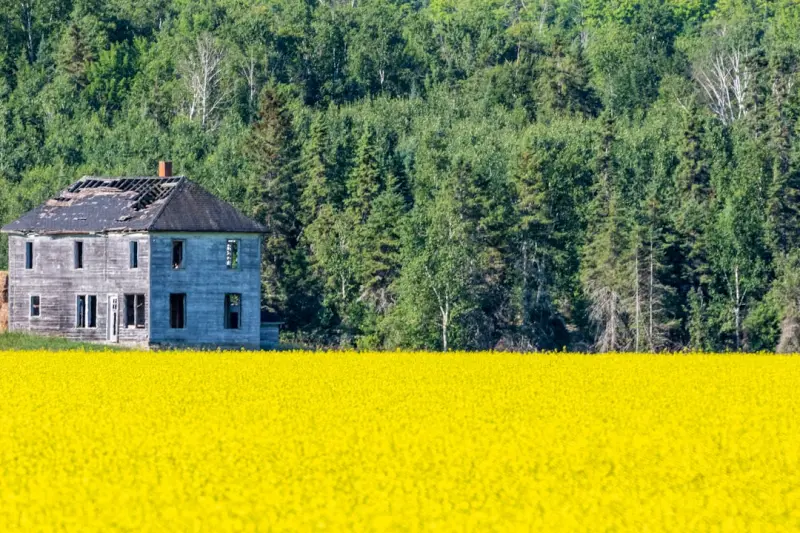
Reimagining the Canadian Homestead for Today’s Lifestyle
Discover how Canadians can blend traditional homestead values with modern technology, community coll... Read More
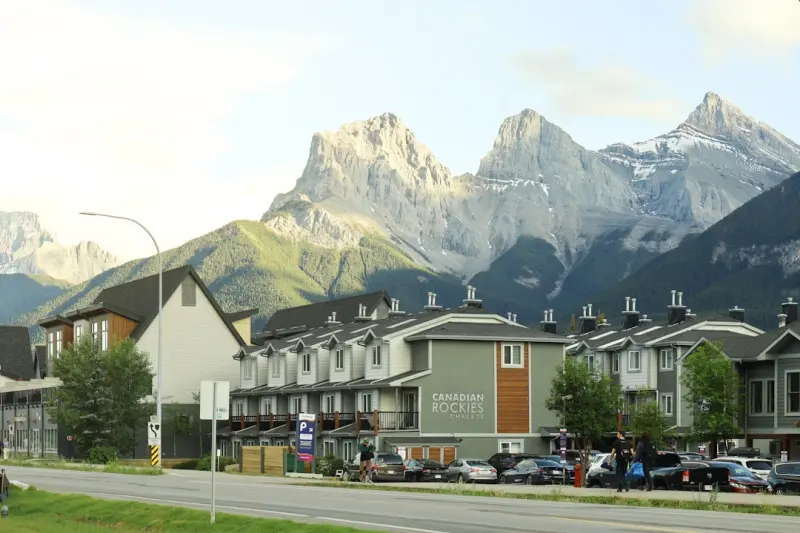
Co‑Living Communities: Canada’s Next Housing Revolution
Discover how co‑living hubs are transforming Canadian neighborhoods, offering affordable shared ho... Read More
Top Posts
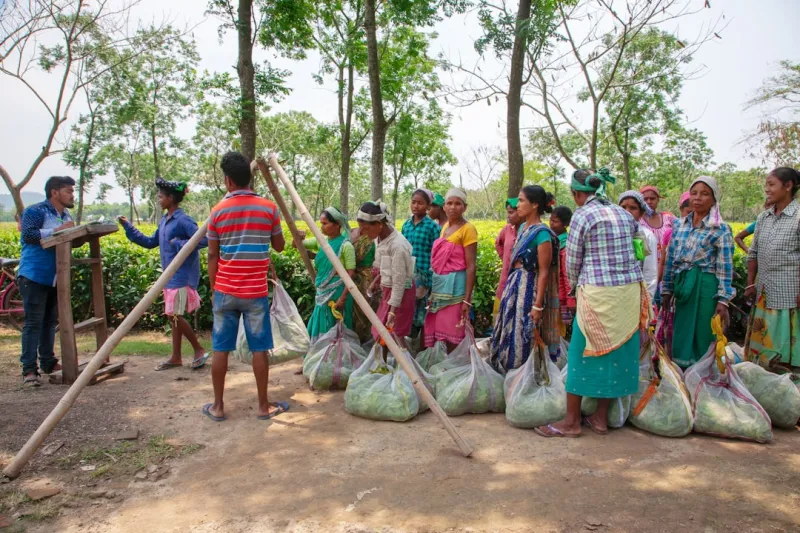
The Unseen Struggles of Rural Communities: A Call for Support and Understanding
Rural communities face unique challenges that require support and understanding. Learn more about the unseen struggles of rural communities and how you can help...Read More

National Data Hubs: Unlocking Canada’s Enterprise Edge
Canada’s national data hubs are transforming fragmented datasets into a unified, secure resource, giving B2B SaaS providers faster market entry, cost predicta...Read More

Hidden Costs in Modern Living You’re Overlooking
Explore the silent budget saboteurs—from delivery fees to home‑office expenses—and get a practical action plan to trim hidden costs and improve financial ...Read More

Why Hyper‑Local Pop‑Up Kitchens Are Redefining the Dining Experience
Explore the rise of hyper‑local pop‑up kitchens, where chefs experiment freely, diners enjoy immersive storytelling, and sustainability becomes a core ingre...Read More
0 Comments
Post Comment
You will need to Login or Register to comment on this post!