
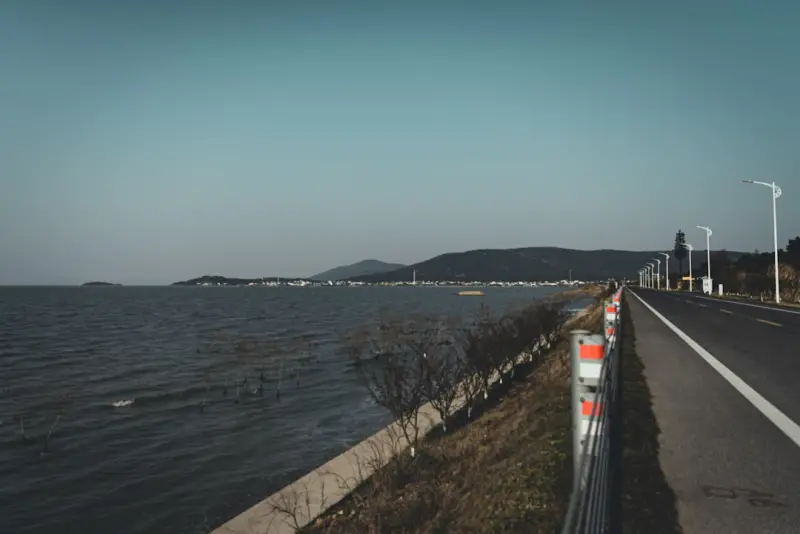
Setting Sail for Insight: How Curated Cruise and Bus Tours Transform Executive Thinking
When I first stepped aboard a luxury liner that promised “business networking on the high seas,” I expected a cocktail hour and a few polished PowerPoints. What I got was a week‑long immersion in the rhythms of a ship, the subtle art of conversation over sunrise decks, and a chance to watch the world change as we drifted from port to port. A few months later, a scenic bus tour through the Canadian Rockies revealed a different kind of classroom: the road itself, with its winding cliffs and quiet valleys, became a backdrop for strategic reflection.
These experiences are no longer niche perks for the ultra‑wealthy; they’re evolving into intentional, purpose‑driven itineraries that blend culture, leadership development, and genuine human connection. In this post, I’ll unpack why today’s business leaders are turning to thoughtfully curated cruise and bus journeys—not just for a break, but for a strategic advantage.
The Rise of Purpose‑Driven Itineraries
Travel has always been a catalyst for fresh ideas. The difference now is design: trips are being built around learning objectives, community impact, and personal growth, rather than simply ticking destinations off a list. Companies are commissioning travel partners to craft experiences that align with corporate values, from sustainability to diversity, and to embed professional development into every mile or nautical mile.
- Strategic immersion: Curated stops that spotlight local innovation ecosystems, allowing executives to meet startups, social enterprises, and policy makers.
- Reflective spaces: Onboard workshops, guided journaling sessions, and quiet lounges that encourage deep thinking away from the usual office buzz.
- Community contribution: Opportunities to volunteer, co‑create, or support local initiatives, turning a vacation into a Regenerative travel moment.
These elements create a narrative that goes far beyond “seeing the sights.” They turn a trip into a living case study—one you can bring back to the boardroom.
The Unique Power of Sea Voyages
There’s something inherently meditative about the ocean. The gentle sway, the horizon that never ends, and the sense of being simultaneously isolated and part of a larger convoy foster a mental space where big‑picture thinking thrives.
1. Unplugged yet Connected – Modern cruise ships are marvels of hyper‑connected travel infrastructure. High‑speed Wi‑Fi, real‑time translation tools, and secure networking hubs let you stay in touch with your team while still enjoying the benefits of a physical disconnect.
2. Curated Learning Modules – Many premium lines now offer “learning decks” where subject‑matter experts host masterclasses on everything from AI ethics to sustainable supply chains. Imagine discussing carbon‑capture technology while the ship glides past a coastal wind farm—you’re seeing the theory in action.
3. Cross‑Cultural Dining – Gourmet restaurants onboard often feature rotating menus inspired by ports of call. Sharing a regional dish with fellow travelers sparks organic conversations about market nuances you might otherwise miss in a conference room.
4. Leadership Labs – Some cruises incorporate scenario‑based simulations that mimic crisis management. The sea’s unpredictability becomes a metaphor for navigating market turbulence, and the ship’s crew serves as a live support system.
The Distinctive Value of Scenic Bus Tours
While a cruise offers the romance of the open water, a bus tour delivers a grounded, tactile experience of the land. The road invites spontaneity, and each stop can feel like an unplanned workshop.
1. Proximity to Innovation Hubs – A well‑planned bus route can weave through tech corridors, university campuses, and maker spaces. Executives can step off the bus, attend a quick pitch session, and be back on schedule for lunch.
2. Landscape‑Inspired Strategy Sessions – Picture a morning brainstorming session on a mountain overlook, the air crisp, the valley below a patchwork of farms and factories. The environment stimulates different cognitive pathways than an office view ever could.
3. Community Interaction – Smaller towns often welcome travelers with open‑armed hospitality. Visiting a local cooperative or community garden offers a hands‑on lesson in grassroots entrepreneurship and social impact.
4. Sustainable Mobility – Modern tour buses are increasingly powered by hybrid or fully electric drivetrains, turning the journey itself into a statement of corporate responsibility.
Blending Business and Leisure: The Sweet Spot
The most successful journeys are those that don’t force a hard line between “work” and “play.” Instead, they integrate them so seamlessly that you can’t tell where one ends and the other begins. Here’s how to strike that balance:
- Set clear objectives. Before you board, decide whether the focus is team building, market research, leadership development, or all three.
- Choose venues that reinforce the theme. A ship’s innovation lab for tech scouting, or a historic train station repurposed as a co‑working space for creative brainstorming.
- Allocate “free” time. Unstructured moments often lead to the most authentic connections—whether it’s a sunrise yoga on deck or a spontaneous hike off the bus route.
- Capture insights in real time. Use voice memos, sketchbooks, or digital note‑taking apps to record epiphanies before they drift away with the tide or the sunset.
Sustainability and Community Impact
Travelers today demand that their journeys leave a positive imprint. This isn’t just about carbon offsets; it’s about embedding responsibility into the itinerary. When you choose a cruise line that partners with marine conservation groups or a bus tour that sources meals from local farms, you’re aligning your brand with tangible environmental stewardship.
Moreover, these choices amplify the narrative you bring back to stakeholders. A case study on how a ship’s waste‑to‑energy system reduced emissions by 30% can become a compelling story in your next sustainability report.
Crafting Your Own Curated Journey
Ready to design a trip that marries strategy with adventure? Here’s a step‑by‑step framework:
- Define the strategic goal. Is the purpose to explore new markets, inspire innovation, or strengthen team cohesion?
- Identify the right vessel. For maritime immersion, look for ships with dedicated learning spaces and shore‑excursion partners aligned with your industry.
- Select the route. Map out ports or road stops that offer a blend of cultural depth and business relevance.
- Partner with local experts. Hire facilitators who understand both the destination and the corporate objectives.
- Integrate measurement. Build in post‑trip debriefs, surveys, and KPI tracking to quantify impact.
By treating the journey as a project with milestones, you ensure that the experience translates into actionable insights.
Practical Tips for Choosing the Right Tour
Research the operator’s track record. Look for reviews from other corporate groups, and ask for case studies of past executive trips.
Assess the learning ecosystem. Does the cruise line host guest speakers? Does the bus tour provide access to local incubators? The depth of the learning environment will dictate the ROI.
Consider health and safety protocols. In the era of post‑pandemic travel, operators that prioritize health monitoring and flexible booking policies provide peace of mind.
Check the sustainability credentials. Certifications such as ISO 14001 for environmental management can serve as a baseline for responsible travel.
Conclusion: Turning the Journey Into a Competitive Edge
In a world where information is instant and attention spans are fleeting, the most valuable commodity is perspective. Curated cruise and bus tours offer a rare opportunity to step outside the office, absorb new environments, and return with ideas that are both fresh and actionable. By weaving together culture, sustainability, and purposeful learning, these journeys become more than a vacation—they become a strategic asset.
So the next time you hear a colleague mention “the next big thing,” consider whether it might be waiting just beyond the next port or down the next scenic highway. Set your compass, map your objectives, and let the open road or open sea chart a course toward deeper insight.

Related Posts
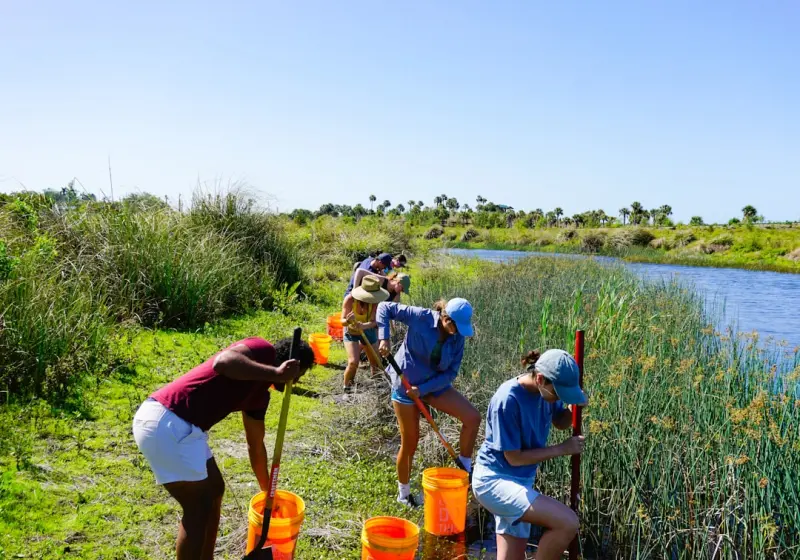
Charting New Waters: How Sustainable Practices Are Redefining Modern Cruises and Bus Tours
Sustainable travel is no longer a niche—cruise ships are adopting zero‑waste kitchens and carbon... Read More
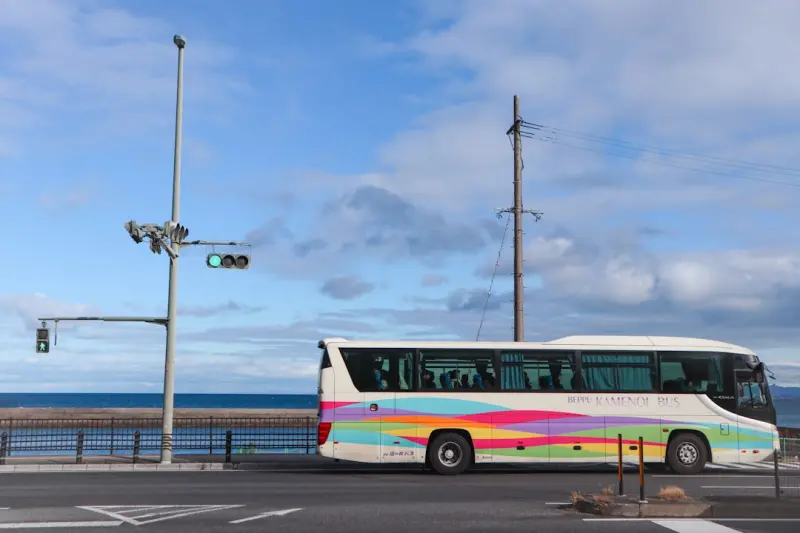
Beyond the Horizon: Turning Cruises and Bus Tours into Innovation Labs
Explore a proven framework that turns cruises and bus tours into high‑impact innovation labs, boos... Read More
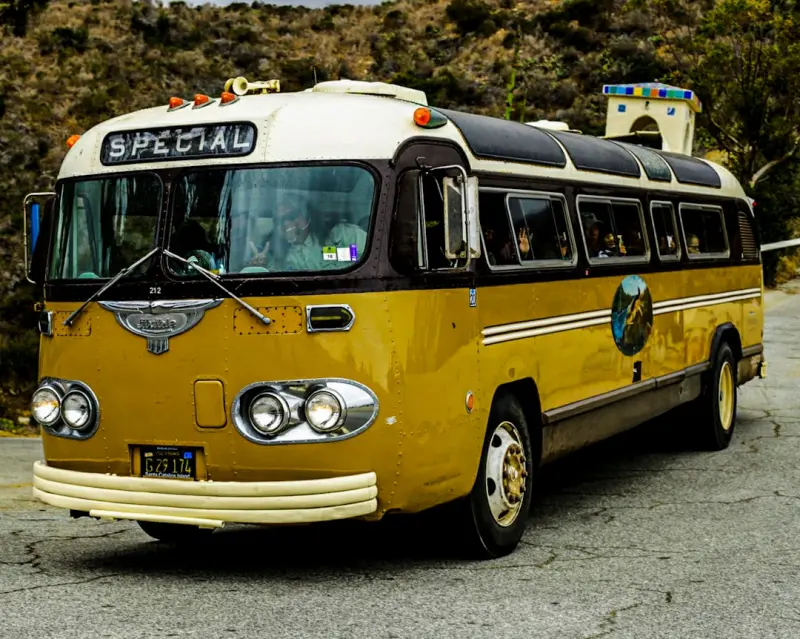
Why Small‑Group Themed Bus Tours Are the Secret to Authentic Travel
Explore why focused, eco‑friendly bus tours with local experts create deeper connections, lasting ... Read More
Top Posts

Canada’s Indie Gaming Revolution: How Small Studios Are Redefining Entertainment
Canada’s indie game developers are quietly transforming entertainment, merging local stories with innovative tech to reach global audiences. Discover the rise...Read More
Tariff Turbulence: How Travelers, Foodies, and Marketers Can Thrive in a Shifting Trade Landscape
Tariffs are reshaping travel budgets, food prices, and marketing tactics. Discover actionable tips from Shawn DesRochers to navigate rising costs and turn chall...Read More

Unlocking Health: The Power of Eating the Rainbow Every Day
Learn why adding red, orange, yellow, green, blue, and purple foods to every meal transforms your health, boosts energy, and supports brain function—all with ...Read More
Charting a Digital‑Detox Voyage: Cruise Ships and Luxury Bus Tours Redefined
A fresh take on unplugging: learn to design a digital‑detox cruise or luxury bus tour that blends wellness, analog learning, and community for lasting mental ...Read More
0 Comments
Post Comment
You will need to Login or Register to comment on this post!