
From Film Sets to Flash Mobs: The Pop‑Culture Tourism Wave That’s Redefining Getaways
When I first booked a trip to a city because a favorite series filmed a scene there, I thought it was a whimsical one‑off. A few months later, my inbox was flooded with strangers swapping stories about “the show‑tour” they’d just completed, the “themed escape room” they’d stumbled upon, and the “pop‑up museum” that appeared overnight in a downtown alley. What started as a personal curiosity has blossomed into a full‑blown travel sub‑culture, and it’s reshaping how we think about destination marketing, itinerary planning, and even the economics of tourism.
What Exactly Is Pop‑Culture Tourism?
At its core, pop‑culture tourism is the pursuit of experiences tied to contemporary media, music, fashion, gaming, and internet trends. It goes beyond the classic “see the Eiffel Tower” mindset. Instead of merely standing in front of a landmark, travelers are hunting for that exact moment when a beloved fictional world collides with the real one. Think of the AI‑Powered Flavor Pairing labs that let you taste dishes inspired by your favorite video game, or a secret pop‑up concert that appears only after you solve an Instagram puzzle.
This phenomenon is powered by three intersecting forces:
- Instantaneous content sharing: A single TikTok can turn an obscure coffee shop into a pilgrimage site overnight.
- Data‑driven personalization: Travel platforms now use machine learning to recommend experiences that match a traveler’s streaming history, playlist preferences, and even meme affinity.
- Event‑scale flexibility: Pop‑up installations, flash mobs, and temporary museums can be erected and dismantled in weeks, keeping the offering fresh and “must‑see.”
The Economic Engine Behind the Trend
Local economies are taking notice. A city that once relied on seasonal beach traffic can now generate revenue year‑round by hosting a “Superhero Showcase” during the off‑season. Small‑scale entrepreneurs—think graphic designers who turn Instagram memes into street art tours—are tapping into a niche market that previously didn’t exist. In many cases, the financial upside is amplified because the experiences are often ticketed at premium prices, marketed as “exclusive” or “limited‑time only.”
But there’s a flip side. The When Convenience Costs More Than You Think article highlighted how seemingly effortless services can hide hidden fees. In pop‑culture tourism, the convenience of a pre‑packed itinerary might include surcharges for fast‑track entry, memorabilia bundles, or even dynamic pricing that spikes as a social media trend reaches its peak. Savvy travelers need to weigh the allure of an Instagrammable moment against the actual cost of that memory.
Case Study: The “Neon Nights” Pop‑Up in Downtown Vancouver
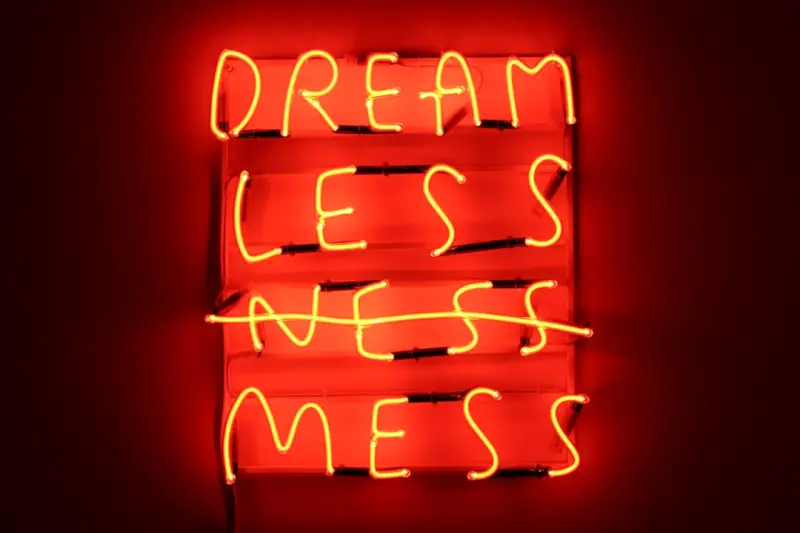
Last summer, a collective of local artists, tech start‑ups, and a streaming platform collaborated on a week‑long pop‑up called “Neon Nights.” The event transformed an abandoned warehouse into an immersive, neon‑lit cityscape that mirrored a popular cyber‑punk series. Attendees could:
- Play location‑based AR quests that unlocked exclusive digital collectibles.
- Sample a menu curated by chefs using AI‑generated recipes (yes, the same tech behind AI‑Powered Flavor Pairing).
- Purchase limited‑edition apparel designed by fans in real time via on‑site 3‑D printing stations.
The event drew 12,000 visitors in just seven days, injecting an estimated $2.4 million into the local economy. More importantly, it sparked a lasting partnership between the city’s tourism board and the tech community, promising future collaborations that blend culture, commerce, and code.
How Travelers Can Curate Their Own Pop‑Culture Adventures
Want to dive in but unsure where to start? Here’s a step‑by‑step guide to building a pop‑culture‑centric itinerary without getting lost in the hype:
- Map Your Media Consumption: Jot down the series, movies, games, and musicians you love. Platforms like Spotify and Netflix already give you a “your‑listening/watching history” you can export.
- Search for Official and Fan‑Driven Events: Use hashtags, follow local influencers, and join community Discord servers. Many pop‑culture happenings are organized by fans long before they’re picked up by mainstream media.
- Check for “Micro‑Experience” Packages: Some travel agencies now bundle AR tours, pop‑up tickets, and themed accommodations into a single purchase. Look for packages that offer flexibility—if an event gets canceled, you’ll want a refund or alternative.
- Factor In the Hidden Costs: Remember the convenience surcharge lesson. Include potential fees for fast‑track passes, exclusive merchandise, and any required tech rentals (e.g., AR headsets).
- Engage With Local Communities: Reach out to host cities’ cultural departments. Many municipalities are eager to promote pop‑culture tourism because it drives foot traffic to lesser‑known neighborhoods.
Technology’s Role: From AI to Edge Computing
Artificial intelligence is no longer confined to flavor pairing; it’s now curating entire travel narratives. Predictive algorithms analyze your streaming habits, compare them with global event calendars, and suggest itineraries that align with upcoming releases or anniversaries. Meanwhile, edge computing ensures that AR overlays and location‑based games run smoothly, even in crowded tourist districts where bandwidth is limited.
One emerging trend is the “real‑time itinerary pivot.” As a traveler walks through a city, their mobile app detects a sudden surge in a nearby pop‑culture event—say, an impromptu flash mob inspired by a viral dance challenge. The app instantly re‑routes the user, offering a time‑limited invitation and a discount code for a souvenir. This dynamic, data‑driven approach is what many industry analysts refer to as the next frontier of experiential travel.
Balancing Authenticity and Commercialization
Critics worry that the commodification of pop culture could dilute genuine local experiences. There’s a fine line between celebrating a beloved series and turning a historic neighborhood into a backdrop for merch‑filled photo ops. The key is intentionality:
- Prioritize Community Benefits: Choose events that support local artists, donate a portion of proceeds to cultural preservation, or involve community volunteers.
- Seek Out Hybrid Experiences: Look for tours that blend pop‑culture sites with traditional landmarks—like a walking tour that starts at a historic theater before heading to a modern “sci‑fi” mural.
- Stay Informed: Follow local news outlets and civic groups to understand how pop‑culture tourism impacts housing, traffic, and public spaces.
Future Outlook: The Next Wave of Pop‑Culture Travel
As streaming services continue to produce globally binge‑worthy content, the pipeline of potential travel destinations will only grow. Moreover, the rise of the metaverse suggests a future where physical and virtual experiences converge. Imagine attending a live concert in Tokyo while simultaneously unlocking a VR backstage tour that’s accessible only to those who visited the city’s pop‑culture hotspot in person.
Businesses that can navigate the intersection of data, creativity, and community will thrive. For travel companies, this means investing in Customer Success frameworks that not only resolve issues but also anticipate the next trend wave and equip travelers with personalized, frictionless experiences.
Ultimately, pop‑culture tourism isn’t just a fleeting fad—it’s a testament to how storytelling, technology, and wanderlust can merge to create memorable, revenue‑generating experiences. Whether you’re a seasoned nomad or a casual vacationer, the next iconic photo opportunity might be waiting behind a neon‑lit arcade door, a secret pop‑up gallery, or a streaming‑platform‑sponsored street performance. The question is: are you ready to chase it?

Related Posts
Finding Calm in the Chaos: The Rise of Sensory‑Friendly Travel
Travel can be overwhelming, but a growing movement is making airports, hotels, and attractions senso... Read More
Micro‑Travel: The Secret Weapon for Busy Professionals Seeking Real Adventure
Micro‑travel condenses the power of immersive vacations into 48‑hour getaways, offering busy pro... Read More
Rediscovering the Charm of Rural Tourism: A Journey Off the Beaten Path
Rural tourism offers a unique and rewarding experience for travelers. Learn about its benefits, chal... Read More
Top Posts

Unlocking Nature’s Pharmacy: Seasonal Foraging for Peak Health
Seasonal foraging delivers nutrient‑dense foods, cuts grocery costs, and fosters mindfulness. Learn to identify wild edibles, integrate them into meals, and r...Read More

Reeling in the Future: Tech‑Savvy Fishing in Ontario
Tracie Higgins shares how modern tools—from sonar apps to drone scouting—are reshaping Ontario fishing, offering a balanced guide to embrace tech without lo...Read More

The micro‑cruise wave: tiny ships, big experiences
A fresh look at micro‑cruises and boutique bus tours reveals how tiny vessels and curated road trips are turning short‑haul travel into immersive, sustainab...Read More

Urban Foraging & Zero‑Waste Drinks: A Fresh Take on Food & Drink
Explore how to turn city wild greens, kitchen scraps, and local herbs into delicious meals and drinks while cutting waste and supporting community gardens....Read More
0 Comments
Post Comment
You will need to Login or Register to comment on this post!