
From Fields to Experiences
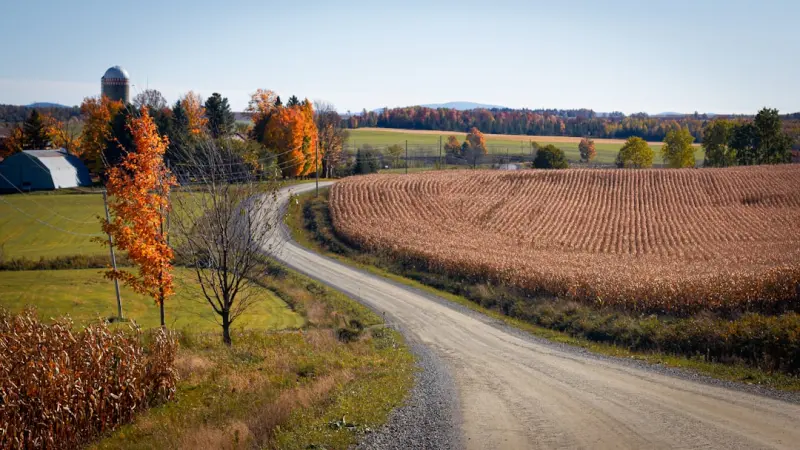
When a visitor steps onto a working farm in the heart of Canada, the scent of fresh‑cut hay and the gentle hum of bees become an invitation to a story that extends beyond the marketplace. Farmers are re‑imagining their landscapes not just as production zones but as immersive destinations where families can harvest carrots, learn about soil stewardship, and share a campfire dinner under a canopy of maple leaves. This shift is rooted in a desire to diversify income while forging a deeper connection between consumers and the origins of their food, turning a simple outing into a lasting educational experience.
For many rural families, the seasonal rhythm of planting and harvesting has always dictated the pace of life, yet the rise of agri‑tourism offers a flexible supplement that respects those cycles. By opening barn doors to school groups, hosting weekend workshops on cheese‑making, or guiding horseback rides through wheat fields, growers can generate revenue during traditionally lean periods without compromising core agricultural operations. The model encourages visitors to appreciate the labor behind each bushel, fostering a sense of stewardship that often translates into more thoughtful purchasing decisions back in the city.
Crucially, these experiences are not a fleeting trend; they align with a broader consumer appetite for authenticity and hands‑on learning. As travelers seek alternatives to generic hotel stays, farms that curate authentic narratives—complete with sunrise milking sessions and stories of generational stewardship—stand out as unique retreats. The result is a win‑win: farmers gain a resilient revenue stream, and guests leave with a richer understanding of the land that feeds them.
Building Community Through Farm Stays
Farm stays have emerged as a compelling way to bridge the urban‑rural divide, offering guests a chance to live the farmer’s day from sunrise chores to sunset reflections. Participants often find themselves waking before dawn to help herd goats, then gathering around a wooden table for a dinner prepared with ingredients harvested just hours earlier. This immersive lifestyle exchange nurtures a sense of community that extends far beyond a single weekend visit.
Beyond the immediate financial boost, farm stays create lasting networks of advocates who champion local agriculture long after they return home. Guests who have tasted the crispness of a freshly picked apple or felt the texture of loam between their fingers are more likely to support farmers’ markets, join CSA programs, and spread word‑of‑mouth recommendations across social circles. Such organic promotion can be more valuable than any paid advertisement, cultivating a grassroots base of loyal supporters.
Many farmers are leveraging these relationships by forming collaborative farm networks that pool resources, share best practices, and co‑market experiences across regions. When a visitor enjoys a stay in the Okanagan and learns about a neighboring berry farm in Prince Edward Island, they are subtly encouraged to explore a broader tapestry of Canadian agriculture. This interconnected approach amplifies each farm’s reach while preserving the individuality that makes each destination special.
Sustaining the Future with Regenerative Agri‑Tourism
Regenerative agriculture principles are finding a natural ally in the tourism sector, as visitors increasingly value sustainability as part of their travel criteria. Farms that practice cover cropping, rotational grazing, and composting can showcase these methods in real time, turning technical concepts into tangible demonstrations. Guests witness how a field of clover improves soil health, or how a herd of cattle gently grazes to promote biodiversity, making abstract environmental benefits visible and relatable.
Integrating sustainability into the visitor experience also opens doors to innovative revenue models, such as “green‑ticket” packages where a portion of the stay fee funds carbon‑sequestration projects on the property. This creates a direct link between the guest’s contribution and measurable environmental outcomes, reinforcing the farm’s commitment to stewardship while appealing to eco‑conscious travelers. The transparency of such initiatives builds trust and differentiates farms in a competitive tourism landscape.
Farmers are also collaborating with culinary artisans to craft seasonal tasting menus that highlight regenerative produce, turning each dish into a narrative of soil health and biodiversity. These partnerships often lead to joint promotions, like a weekend retreat that pairs a guided hike with a farm‑to‑table dinner featuring heirloom vegetables. By weaving regenerative practices into every facet of the guest experience, farms position themselves as leaders in both food production and responsible tourism.
Economic Resilience Through Diversification
Rural economies have historically faced volatility due to market fluctuations, climate variability, and policy shifts, making diversification a critical strategy for long‑term stability. Agri‑tourism adds a layer of income that is less correlated with commodity prices, providing a buffer during years when crop yields dip or market demand wanes. By offering experiences that command premium pricing—such as private vineyard tours or artisanal bread‑making workshops—farmers can capture higher margins than traditional crop sales alone.
Furthermore, the seasonal nature of tourism dovetails with farm cycles, allowing growers to schedule visitor activities during harvest windows when extra hands are welcome. This symbiotic timing not only reduces labor costs but also enriches the visitor’s understanding of the harvest process. In regions where labor shortages are acute, the willingness of tourists to pitch in can be a valuable supplement to the farm’s workforce.
Many farms are now integrating technology to streamline bookings, manage guest capacities, and gather feedback, enhancing the overall experience while reducing administrative overhead. By adopting simple online reservation systems, operators can attract a broader audience, track occupancy trends, and adjust pricing dynamically. The data collected also informs future programming, ensuring that offerings remain fresh and aligned with visitor interests.
Storytelling as a Marketing Engine
At the heart of successful agri‑tourism lies the power of storytelling—conveying the heritage, challenges, and triumphs of farm life in a way that resonates emotionally. Farmers who share personal anecdotes about the land’s history, the evolution of family recipes, or the lessons learned from a harsh winter create a narrative thread that guests can follow and remember. This authentic storytelling becomes a potent marketing tool that differentiates a farm from generic vacation rentals.
Digital platforms amplify these stories, allowing farms to reach audiences far beyond their immediate geographic area. A well‑crafted blog post or short video showcasing a sunrise milking routine can spark curiosity and drive bookings. In fact, many farms are linking their online presence to broader educational initiatives, such as webinars on soil health, thereby positioning themselves as thought leaders in sustainable agriculture.
Strategic cross‑promotion with related content can also boost visibility. For instance, a farm might reference a recent article on farm‑to‑table collaborations to illustrate how their on‑site dining experiences support local supply chains. Such interlinking not only improves SEO performance but also reinforces the farm’s role within a larger ecosystem of Canadian food producers.
Challenges and Considerations
While the rewards of agri‑tourism are compelling, the transition is not without hurdles. Regulatory compliance, zoning restrictions, and insurance requirements can pose significant administrative burdens for farmers new to hospitality. Navigating health and safety standards for food service, guest accommodations, and outdoor activities demands careful planning and often the assistance of specialized consultants.
Moreover, maintaining the authenticity that draws visitors can be a delicate balance. Over‑commercialization or excessive infrastructure development may erode the rustic charm that defines the farm experience. Successful operators prioritize preserving the natural landscape, limiting construction to essential facilities, and ensuring that any enhancements remain in harmony with the surrounding environment.
Investing in staff training is equally vital. Employees who interact directly with guests must be knowledgeable about both agricultural practices and hospitality etiquette. Providing comprehensive training ensures that visitors receive accurate information and feel welcomed, which in turn drives positive reviews and repeat visits.
Future Outlook: A Hybrid Model for Growth
Looking ahead, the most resilient farms are those that blend production, tourism, and education into a cohesive hybrid model. By positioning the farm as a living laboratory, operators can host school field trips, research collaborations, and community workshops alongside traditional tourist activities. This multifaceted approach maximizes land use efficiency and creates multiple revenue streams that reinforce one another.
Emerging trends such as virtual farm tours and augmented reality experiences offer additional avenues to engage audiences who cannot travel in person. Through immersive digital content, farms can showcase sustainable practices, seasonal changes, and behind‑the‑scenes operations, expanding their reach and building brand loyalty across geographic boundaries.
Ultimately, the convergence of regenerative agriculture, experiential tourism, and digital storytelling promises a vibrant future for Canadian farmers willing to innovate. By embracing these opportunities, growers not only secure financial stability but also cultivate a generation of informed consumers who value the land, the labor, and the legacy that sustains them.

Related Posts

Renewable Energy Transforming Canadian Farms: A Farmer’s Perspective
From solar panels to carbon credits, Canadian farmers are turning renewable energy into a profitable... Read More
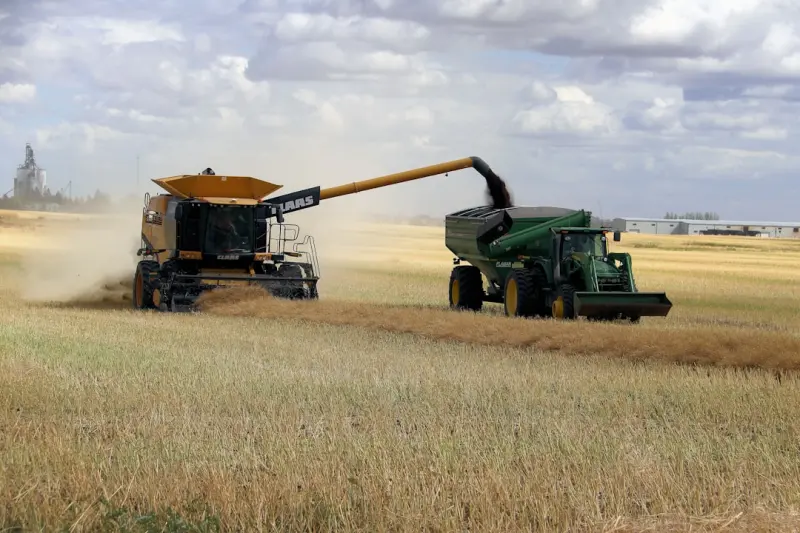
Data‑Driven Harvests: Canadian Farmers Embrace the Cloud
A first‑person look at how cloud‑based technology, AI, and cooperative data sharing are transfor... Read More
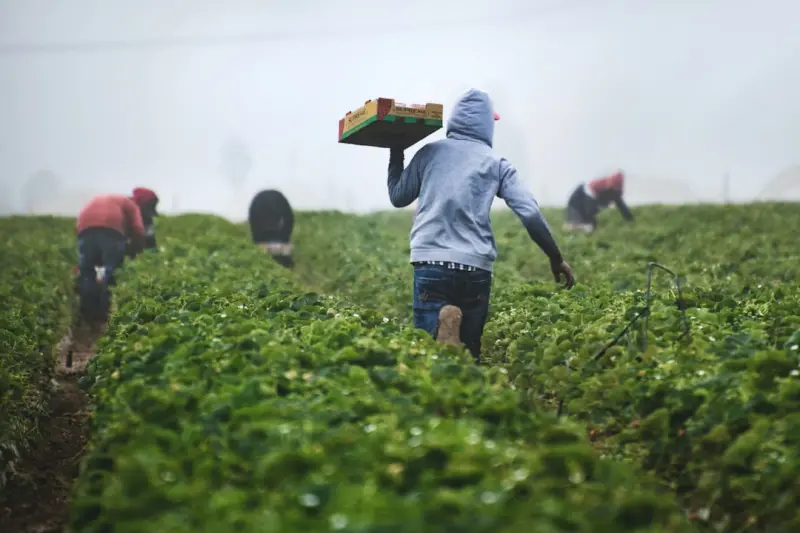
Farmers Take the Driver’s Seat: Digital Cooperatives Changing Canadian Agriculture
Canadian farmers are banding together to build shared digital platforms that give them direct market... Read More
Top Posts

The Ghost Kitchen Revolution: How Data‑Driven Delivery Is Redefining Restaurants
Ghost kitchens are reshaping dining by merging AI‑powered menu curation, sustainable practices, and hyper‑personalized delivery, offering restaurateurs a lo...Read More

The Hidden Cost of Decision Fatigue and How to Cure It in B2B Teams
Decision fatigue silently hampers B2B growth. This post reveals why endless choices hurt teams, how to redesign processes, and practical steps to free mental ba...Read More

Predictive Savings: Leveraging AI to Nab SaaS Deals Before They Expire
Learn how to use AI-driven predictive models to anticipate SaaS price changes, negotiate early discounts, and turn reactive deal‑finding into a proactive savi...Read More

When the Playground Goes Digital: A Parental Warning About the Invisible Data Trail
A deep dive into how modern toys, AR games, and AI‑driven apps harvest children’s data, with actionable advice for parents and a call for ethical design in ...Read More
0 Comments
Post Comment
You will need to Login or Register to comment on this post!