
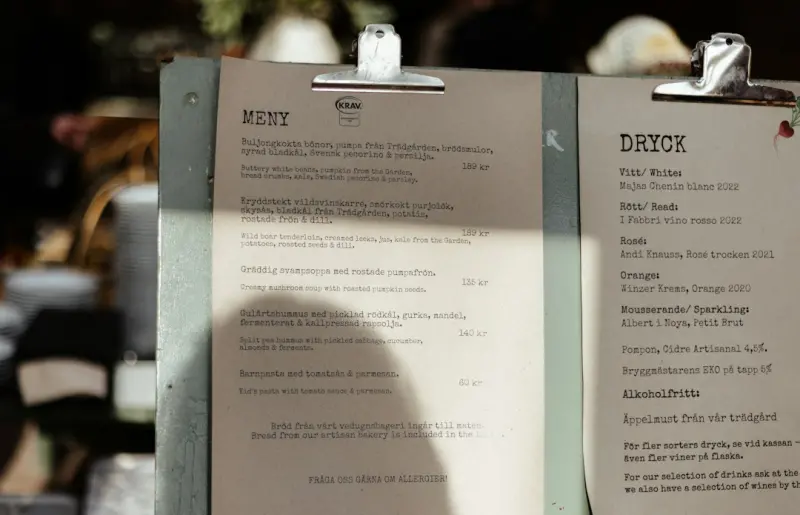
Why Your Menu Needs a Narrative, Not Just a List
When I first stepped into a bustling downtown bistro and saw a single‑page menu that read like a grocery receipt, I felt a pang of disappointment. It wasn’t the food that let me down – it was the story that never arrived. In the restaurant world, a menu is more than a price list; it’s the first chapter of a culinary novel that invites guests to become protagonists.
The Science of Storytelling on a Plate
Humans are wired for narrative. From bedtime stories to blockbuster movies, we process information better when it’s framed as a journey. Restaurants that embed storytelling into their menus tap into that primal love of tales, turning a simple ordering experience into an emotional adventure. This isn’t “fluff” – it’s a strategic lever that can boost table turnover, increase average check size, and create repeat‑visitors who feel personally connected to the brand.
From Ingredient Origins to Chef Philosophy
There are three core layers to a compelling menu story:
- Ingredient provenance. Let diners know where the carrots were grown, which river the salmon was caught in, or how a local farmer practices regenerative agriculture. When guests understand the journey of their food, they’re more likely to appreciate its value.
- Chef’s personal voice. A brief note about the chef’s upbringing, a pivotal culinary school moment, or a favorite family recipe adds authenticity. It humanizes the kitchen and creates a bridge between the plate and the plate‑maker.
- Dish‑level anecdotes. Instead of “Grilled Octopus,” try “Coastal Fire‑Charred Octopus – a nod to the late‑night fishing trips my grandmother took on the Atlantic.” Small details paint vivid pictures.
Design Meets Narrative
Integrating story into a menu isn’t just about the copy; it’s also about visual design. Typography, spacing, and even the paper stock can reinforce the tone you’re aiming for. A rustic, recycled paper works for farm‑to‑table concepts, while sleek matte finishes suit modern, tech‑forward eateries.
For those curious about the intersection of design and well‑being, see how wellness‑focused design can subtly influence diners’ mood before they even take a bite.
Balancing Storytelling with Operational Efficiency
One fear many operators have is that a narrative‑rich menu will slow down service. The truth is, when done right, it can actually streamline the ordering process. Here’s how:
- Guided choices. By grouping dishes under thematic sub‑heads (e.g., “Harvest from the Highlands”), servers can quickly steer guests toward categories that match their preferences.
- Pre‑emptive upsells. A story that highlights a premium ingredient naturally creates an upsell opportunity without a hard sell. “Our hand‑selected wagyu, sourced from a family‑run farm in Hokkaido, offers a melt‑in‑your‑mouth experience.”
- Reduced kitchen waste. When diners are informed about portion sizes and the inspiration behind each plate, they’re more likely to order what they truly want, cutting down on plate waste.
Technology as a Storytelling Ally
Digital menus and QR codes open up new dimensions for narrative depth. Instead of cramming paragraphs onto a printed page, you can embed videos of farmers, interactive maps of sourcing routes, or audio clips of the chef describing the dish. This multimedia approach keeps the physical menu clean while delivering a rich story experience.
Some restaurants are already leveraging real‑time guest data to personalize the storytelling. Imagine a table of vegans receiving a menu that highlights plant‑forward dishes and the environmental impact of each ingredient – all dynamically generated based on their profile.
Case Study: The Pop‑Up Narrative Lab
Last summer, a collaborative pop‑up in Toronto called “Story Bites” turned the concept into a live experiment. Chefs partnered with local historians and artisans to create ten‑course meals, each course paired with a short vignette projected onto the table’s surface. The result? A 30% increase in average check and a social media buzz that outpaced the traditional marketing budget.
The secret? They treated each dish as an episode of a limited‑series, releasing “season one” and promising a “season two” with new characters (ingredients) and plot twists (flavor combos). Guests returned not just for the food, but to follow the unfolding storyline.
How to Get Started: A Practical Blueprint
Ready to infuse narrative into your menu? Follow these steps:
- Audit your current menu. Highlight items that already have a story, however small. Those are your low‑hanging fruit.
- Interview your kitchen team. Ask chefs why they love certain dishes, where their inspiration comes from, and which local producers they admire.
- Map your supply chain. Identify farms, fisheries, or cooperatives you source from. Even a single sentence about a farmer’s dedication can add authenticity.
- Draft narrative snippets. Keep them under 40 words per dish to maintain readability. Use active, sensory language.
- Design with purpose. Choose fonts and layouts that echo the story tone – elegant for fine dining, bold for street‑food concepts.
- Test with staff. Have servers practice the new narratives, ensuring they can deliver them naturally without sounding like a sales pitch.
- Gather feedback. Use comment cards or digital surveys to gauge whether guests felt more connected to the dishes.
Measuring Impact Without Over‑Analyzing
While narrative is inherently qualitative, there are concrete metrics you can track:
- Average ticket size. Compare pre‑ and post‑implementation figures.
- Repeat visit rate. Guests who feel a story connection are more likely to return.
- Social mentions. Look for spikes in hashtags related to your menu themes.
- Waste reduction. Better‑informed diners often order more intentionally, leading to less plate waste.
A Word of Caution: Avoiding Narrative Fatigue
Too much story can overwhelm. Keep the balance:
- Use concise language. One vivid sentence per dish is often enough.
- Prioritize authenticity. Fabricated tales damage credibility faster than any bad dish.
- Leave room for guest imagination. Not every detail needs to be spelled out; let diners fill in gaps.
Looking Ahead: The Future of Menu Storytelling
As diners become more conscious of sustainability, provenance, and cultural authenticity, the demand for transparent storytelling will only intensify. Restaurants that master this craft now will position themselves as cultural custodians, not just food providers.
And for those still curious about how the industry is shifting, the ghost kitchen trends illustrate how technology and consumer expectations are reshaping the entire ecosystem – a reminder that narrative must evolve alongside operational innovation.
Final Thoughts
Every dish is a character, every ingredient a plot point, and every table a stage. When you treat your menu as a living story, you give guests a reason to stay, to talk, and to return. In a market saturated with options, the power to captivate lies not just in flavor, but in the tale you tell with each bite.

Related Posts
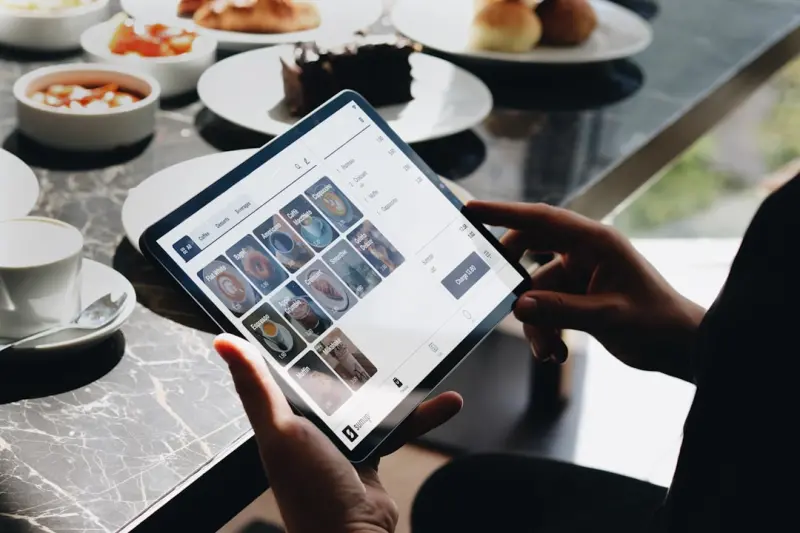
Dynamic Pricing: Turning Restaurant Menus Into Real‑Time Revenue Engines
Dynamic pricing lets restaurants adjust menu prices based on demand, weather, and inventory, unlocki... Read More
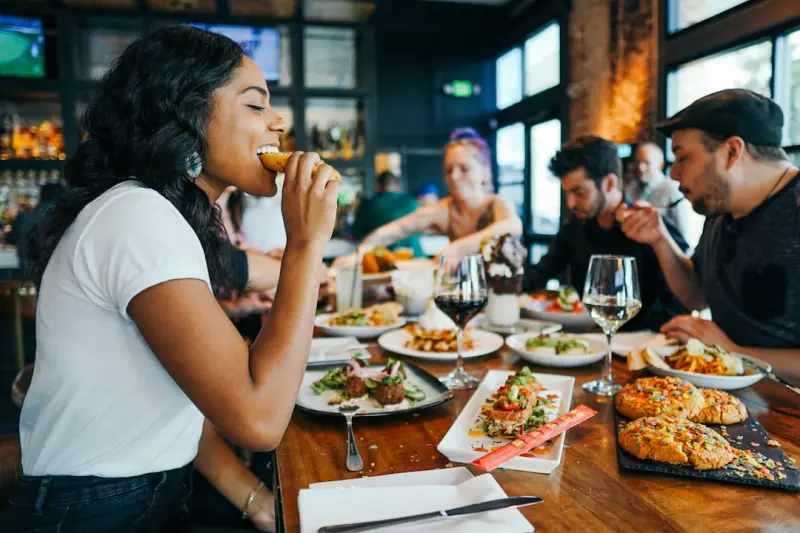
Why Restaurants Are Turning Dining Into an Immersive, Data‑Powered Adventure
Explore the new era of dining where immersive atmospheres, personalized loyalty, and pop‑up kitche... Read More
The Secret Sauce Behind the Pop‑Up Kitchen Boom
Pop‑up kitchens turn vacant spaces into immersive dining adventures, blending storytelling, local ... Read More
Top Posts

How Your Gut’s Hidden Conversation Shapes Everyday Health
Explore the gut‑brain connection and learn simple, science‑backed habits—from food to sleep and movement—that empower your microbiome and elevate everyd...Read More

Reimagining Prom and Graduation for the Digital Generation
A fresh look at prom and graduation shows how AI‑styled outfits, hybrid ceremonies, sustainable décor, and mental‑health support are redefining these miles...Read More

Eco‑Elegant: Redefining Prom & Graduation Style for a Greener Tomorrow
A fresh take on prom and graduation attire, this guide shows students how to blend style, comfort, and sustainability through rentals, upcycling, and virtual tr...Read More
The Evolution of Canadian Cuisine: A Reflection on My Restaurant Experiences
Canadian cuisine is evolving rapidly, driven by changing consumer preferences, technological advancements, and shifting cultural values. Learn more about the tr...Read More
0 Comments
Post Comment
You will need to Login or Register to comment on this post!