
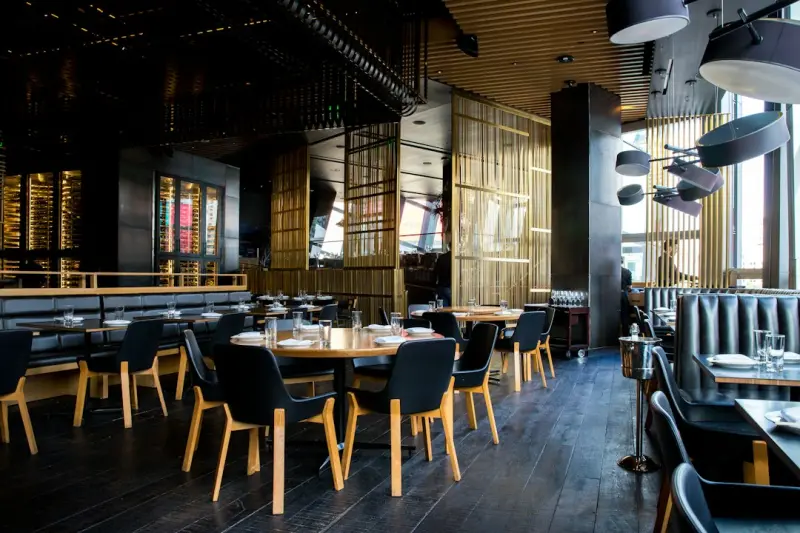
Walking into a restaurant shouldn’t feel like stepping into a sensory battlefield. For many neurodivergent diners—people on the autism spectrum, those with ADHD, sensory processing disorders, or simply a heightened sensitivity to noise and light—the modern dining experience can be overwhelming, confusing, or even painful. As someone who has spent years consulting with hospitality brands, I’ve watched the industry wrestle with sustainability, technology, and loyalty programs, but the conversation about true inclusivity is still in its infancy. This post is my attempt to map out a practical, compassionate roadmap for making restaurants genuinely neuroinclusive, without sacrificing the buzz and energy that make dining out exciting.
Why Neuroinclusivity Matters in the Restaurant Business
Neuroinclusivity isn’t just a moral imperative; it’s a smart business move. Studies suggest that 1 in 59 children in North America is on the autism spectrum, and a significant portion of adults are neurodivergent as well. That translates to millions of potential guests who often avoid restaurants because the environment feels hostile. By designing spaces that accommodate a broader range of sensory needs, restaurateurs can tap into an underserved market, boost repeat visits, and build a reputation for genuine hospitality.
Moreover, neuroinclusive design often benefits everyone. Think of quieter corners, adjustable lighting, and clear signage—these improvements also enhance the experience for seniors, families with young children, and anyone seeking a moment of calm in a bustling city.
Understanding the Sensory Landscape of a Typical Eatery
Before diving into solutions, let’s dissect the sensory triggers that can overwhelm neurodivergent diners:
- Noise: The clatter of dishes, background music, and lively conversations create an acoustic maze.
- Lighting: Harsh fluorescents, flickering candles, or sudden changes in brightness can cause visual distress.
- Smell: Strong kitchen aromas or scented décor can be disorienting.
- Texture & Temperature: Unfamiliar food textures or extreme temperatures may be off-putting.
- Social Cues: Unclear expectations around ordering, seating, and etiquette can lead to anxiety.
Addressing each of these elements doesn’t require a full remodel—many adjustments are low‑cost but high‑impact.
Design Strategies for Calm Spaces
Here are concrete design moves that can turn a noisy, chaotic floor into a sanctuary for neurodivergent guests:
- Acoustic Zoning: Use soft furnishings, acoustic panels, and strategically placed plants to dampen sound. Create “quiet pods” with booths surrounded by sound‑absorbing materials.
- Adjustable Lighting: Install dimmable LEDs and provide individual light controls at each table. Avoid strobe effects; opt for warm, consistent hues.
- Visual Simplicity: Limit busy patterns on walls and tables. Use clear, high‑contrast signage with pictograms for menus and restroom directions.
- Scent Management: Keep strong kitchen aromas contained with proper ventilation. Offer fragrance‑free zones and consider scent‑neutral décor.
- Predictable Layout: Design floor plans that allow for clear sightlines. Avoid labyrinthine aisles; give patrons an easy mental map of the space.
These tweaks not only help neurodivergent diners but also elevate the overall aesthetic, creating an environment that feels thoughtfully curated rather than gimmicky.
Menu & Service Adaptations for Neurodiversity
Food itself can be a sensory experience. To make menus more approachable:
- Descriptive, Simple Language: Use plain wording and avoid overly poetic descriptions that can be confusing.
- Texture Indicators: Include icons that denote crunchy, soft, or chewy textures, letting diners know what to expect.
- Customizable Options: Offer “build‑your‑own” plates where guests can select preferred ingredients, avoiding unexpected flavors or textures.
- Visual Menus: Provide high‑resolution images alongside textual descriptions, and consider QR codes that open an storytelling in menu design that explains dish origins in a concise, visual format.
- Predictable Portion Sizes: Clearly state portion dimensions to help those who may be sensitive to food volume.
From the front‑of‑house, train servers to ask gentle, open‑ended questions like “Do you have any texture preferences today?” rather than assuming a one‑size‑fits‑all approach.
Leveraging Technology: Data, AR, and Beyond
Technology can be a powerful ally when used responsibly. Personalized data insights allow restaurants to understand individual guest preferences—provided the data is collected with explicit consent. By storing a guest’s sensory preferences (e.g., “low‑noise seating,” “no strong spices”), you can pre‑configure a table before they arrive, ensuring a seamless experience.
Augmented reality (AR) menus are another emerging tool. Guests can point their phones at a menu item to see a 3D model, hear a brief audio description, and view texture icons. This multisensory preview reduces anxiety and empowers diners to make confident choices.
Importantly, any data collection must adhere to privacy best practices. Offer opt‑in mechanisms, clear explanations of how the data will be used, and an easy way to delete preferences at any time.
Training Staff for Empathy and Responsiveness
Even the most thoughtfully designed space can fall short without staff who understand and respect neurodivergent needs. A robust training program should cover:
- Neurodiversity Basics: Quick modules on what neurodiversity is, common challenges, and why inclusive hospitality matters.
- Communication Techniques: Using clear, concise language, offering visual cues, and giving patrons time to process information.
- De‑escalation Strategies: How to respond calmly if a guest becomes overwhelmed, including offering a quiet space or adjusting the dining pace.
- Feedback Loops: Encourage guests to share their experience and use that feedback to refine practices.
Role‑playing scenarios can be especially effective. When staff experience a mock sensory overload, they gain empathy that translates into better service.
Measuring Success: Metrics That Matter
To ensure initiatives are delivering results, track both quantitative and qualitative metrics:
- Repeat Visit Rate: Monitor the frequency of returns from guests who have opted into sensory preference programs.
- Customer Satisfaction Scores: Include specific questions about noise, lighting, and overall comfort.
- Feedback Themes: Use sentiment analysis on reviews to detect recurring mentions of sensory issues.
- Operational Impact: Measure any changes in table turnover time—quiet zones often see longer stays, which can be balanced by higher average ticket values.
Regularly review these metrics with the entire team, celebrating wins and iterating on areas that need improvement.
Future Outlook: From Niche to Norm
Neuroinclusive dining is poised to move from a niche differentiator to an industry standard. As more restaurants adopt these practices, we’ll likely see a ripple effect: suppliers will develop more sensory‑friendly packaging, culinary schools will integrate neurodiversity into curricula, and diners will come to expect a baseline of sensory respect.
Imagine a city where you could walk into any eatery and instantly know there’s a quiet corner with soft lighting, a menu that clearly flags textures, and staff ready to accommodate your unique needs—all without having to call ahead. That future isn’t far off; it just requires intentional design, empathetic service, and the willingness to listen to a voice that’s often been overlooked.
In the end, creating neuroinclusive restaurants isn’t about catering to a “special” group—it’s about refining the core hospitality promise: making every guest feel seen, heard, and comfortable. When we get that right, we elevate the dining experience for all.

Related Posts
Dynamic Pricing: Turning Restaurant Menus Into Real‑Time Revenue Engines
Dynamic pricing lets restaurants adjust menu prices based on demand, weather, and inventory, unlocki... Read More

Beyond the Plate: How Data, Ghost Kitchens, and Sensory Design Are Redefining Modern Restaurants
A deep dive into three emerging forces—data‑driven menus, ghost kitchen flexibility, and sensory... Read More
Ottawa on the Rise: Discover Four of Canada's Top Restaurants
Ottawa might be known for its Parliament buildings and historical significance, but a culinary revol... Read More
Top Posts
Tariff Turbulence: How Travelers, Foodies, and Marketers Can Thrive in a Shifting Trade Landscape
Tariffs are reshaping travel budgets, food prices, and marketing tactics. Discover actionable tips from Shawn DesRochers to navigate rising costs and turn chall...Read More

Why Modern Tariffs Are About Data, Not Just Duty
Tariffs have moved beyond steel and wheat, targeting data, AI, and carbon footprints. This post explains the shift, offers practical strategies, and shows why e...Read More
How AI is Rewriting the Restaurant Playbook: From Menu Curation to Zero‑Waste Kitchens
The post examines AI-driven menu personalization, predictive waste reduction, ghost kitchens, and immersive dining, offering practical steps for restaurateurs t...Read More

Winter‑Ready Smart Homes: Turning Canada’s Cold Into Comfort and Savings
A deep dive into how learning thermostats, adaptive lighting, micro‑grids, and AI orchestration are reshaping Canadian winter living, delivering comfort, savi...Read More
0 Comments
Post Comment
You will need to Login or Register to comment on this post!