

Why Community‑Supported Agriculture Matters
Across the prairie provinces and the Atlantic coast, a quiet revolution is reshaping the way food reaches the dinner table, as farmers invite neighbours to become shareholders in the very soil that sustains them, creating a bond that goes beyond a simple transaction; this model, known as community‑supported agriculture (CSA), transforms farms into local gathering places where trust, transparency, and shared risk become the currency of commerce, and the seasonal rhythm of planting and harvest becomes a shared cultural celebration that revitalises rural identity and strengthens social fabric.
From Seed to Subscription: The Mechanics of a Modern CSA
Farmers begin each season by calculating the acreage needed to feed a defined number of households, then they offer subscription boxes that promise a weekly or bi‑weekly bounty of fresh produce, dairy, eggs, and occasionally handcrafted preserves, allowing members to pre‑pay for a share of the harvest and providing the farm with the cash flow essential for seed purchase, equipment maintenance, and labor costs; this advance funding model reduces reliance on volatile commodity markets and grants growers the freedom to experiment with heirloom varieties and regenerative practices, while members receive a tangible reminder of the land’s generosity in the form of crisp carrots, fragrant herbs, and bright berries that change with the calendar.
Building Trust Through Transparency
One of the most compelling aspects of CSA is the openness it demands, as farmers post weekly updates, weather logs, and soil health metrics on simple websites or newsletters, inviting members to witness the challenges of frost, pest pressure, and pollinator health, and this transparency cultivates empathy, turning a missed delivery into a teachable moment rather than a complaint; the practice also encourages members to ask questions about crop rotation, composting, and animal welfare, fostering a two‑way dialogue that deepens appreciation for the labor behind every bite and creates a community of informed consumers who champion sustainable agriculture in their own circles.
Economic Ripple Effects for Rural Communities
When families subscribe to a local CSA, money stays within the region, circulating through farm supply stores, local processors, and even nearby artisans who contribute value‑added goods like cheese or preserves, thereby creating a multiplier effect that bolsters small‑business vitality and reduces the economic drain caused by long‑distance food transport, and as farms become financially stable, they are more likely to invest in infrastructure such as grain elevators, cold storage, and renewable energy installations, which in turn attract ancillary services and job opportunities, knitting a tighter economic tapestry that can help reverse rural depopulation trends.
Technology’s Role in Scaling CSA Networks
Digital tools have become the backbone of contemporary CSA operations, with cloud‑based management platforms streamlining subscription sign‑ups, payment processing, and delivery routing, while mobile apps allow members to customise their produce preferences, pause deliveries, or swap shares with neighbours, and farms are increasingly integrating digital marketplaces that connect multiple farms under a single brand, expanding reach without sacrificing the personal touch that defines the CSA experience.
Addressing Labor Shortages Through Community Partnerships
One of the persistent challenges for Canadian farms is securing seasonal labour, especially during peak planting and harvest periods, and many CSA operators are turning to community volunteers, local schools, and apprenticeship programmes to fill the gap, offering participants hands‑on experience in sustainable farming while fostering a sense of ownership over the food they consume; these partnerships not only alleviate staffing pressures but also serve as educational pipelines that inspire the next generation of agronomists, horticulturists, and farm entrepreneurs.
Health and Well‑Being: A Holistic Approach
Beyond nutrition, CSA membership contributes to mental and physical health, as regular access to fresh, nutrient‑dense foods supports immune function and reduces the prevalence of diet‑related illnesses, while the act of visiting the farm for pick‑up or volunteer work provides therapeutic exposure to nature, fresh air, and purposeful activity; recent studies have highlighted the importance of such lifestyle factors, and many farmers now collaborate with health professionals to offer rural health support resources, creating a holistic ecosystem where food, community, and well‑being intersect.
Stories of Success: Lessons from Pioneering Farmers
Across Ontario, British Columbia, and the Maritimes, early adopters of the CSA model have demonstrated that a focus on community engagement can turn modest plots into thriving enterprises, with some farms reporting a 30 % increase in revenue within the first two years of launching a subscription service, while also noting higher customer retention rates compared to traditional wholesale channels; these farmers’ resilience stories underscore the power of aligning economic incentives with social responsibility, proving that profitability and purpose need not be mutually exclusive.
Looking Ahead: Scaling Impact Without Losing Intimacy
As more Canadians seek transparent, locally sourced food, the CSA movement is poised to expand beyond niche markets, but the challenge will be preserving the intimate farmer‑member relationship that defines its charm, especially as technology introduces scalability; future strategies may involve regional cooperatives that pool resources while maintaining individual farm identities, or hybrid models that blend subscription boxes with pop‑up farmers’ markets, ensuring that the core values of trust, shared stewardship, and community enrichment remain at the heart of the venture, ultimately reshaping rural life into a vibrant, interconnected tapestry of shared prosperity.

Related Posts

Powering the Prairies: Turning Farm Land into Renewable Energy Hubs
Canadian farms are embracing solar panels, wind turbines, and biogas digesters to generate clean pow... Read More

Family Farms Fuel Canada’s New Resilience Wave
Canada’s family farms are redefining resilience through regenerative practices, cooperative busine... Read More
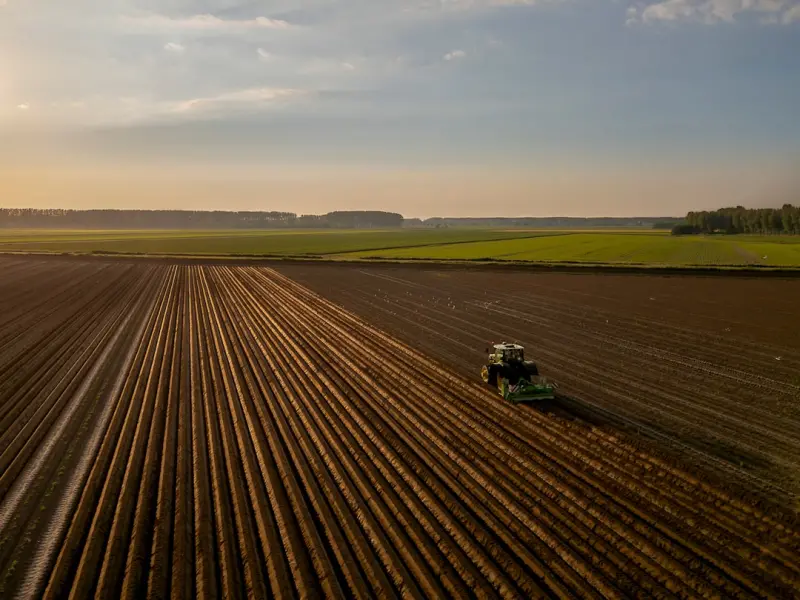
Beyond the Field: How Canadian Farmers are Redefining Resilience and Community
From regenerative soil methods to farmer‑led mental‑health circles, Canadian growers are turning... Read More
Top Posts

Beyond the Horizon: Crafting Hybrid Cruise‑and‑Bus Adventures for Modern Explorers
Discover a new travel formula that fuses the comfort of cruise ships with the intimacy of bus tours, offering a seamless, story‑driven adventure for modern ex...Read More

When Parenting Meets AI: The Hidden Risks No One Talks About
An in‑depth warning for parents about the subtle ways AI and smart tech infiltrate children’s lives, from data‑driven toys to algorithmic friendships, and...Read More

The Indie Podcast Boom: How Small Voices Are Shaping Canadian Entertainment
Canada’s indie podcast explosion is redefining entertainment by giving niche creators a platform, fostering micro‑communities, and creating fresh revenue st...Read More

When AI Becomes Your Kid’s Playdate: A Parental Warning
A deep dive into how AI companions and data‑driven apps subtly shape children’s experiences, privacy, and mental health, with actionable tips for parents to...Read More
0 Comments
Post Comment
You will need to Login or Register to comment on this post!