
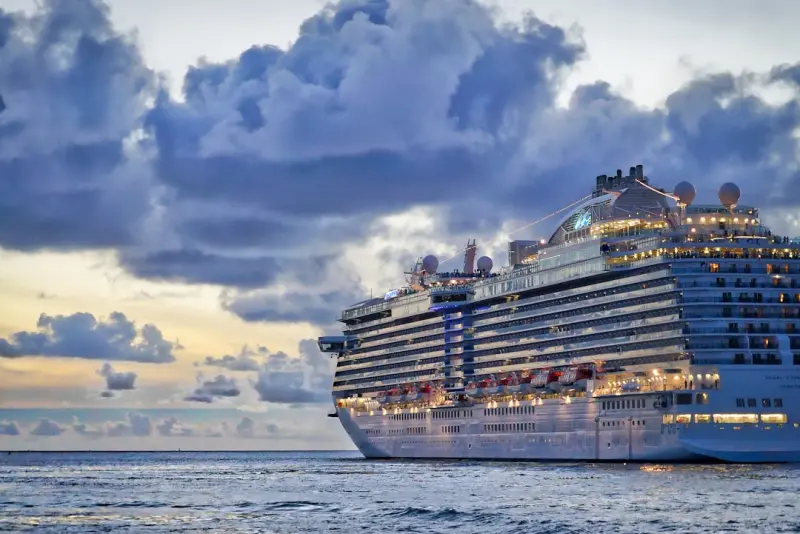
Mindful Journeys: Turning Cruise Ships and Coach Tours into Wellness Sanctuaries
When I first stepped aboard a sleek ocean liner after a grueling quarter of product launches, I expected the usual cocktail of buffet lines, sun‑soaked decks, and a never‑ending stream of scheduled activities. Instead, I found a quiet yoga studio tucked behind a glass‑front lounge, a menu curated around food pairing for sustained energy, and a crew that encouraged me to unplug from the inbox and reconnect with my breath. A few weeks later, I boarded a boutique coach that whisked a small group of creatives through the Canadian Rockies, where each stop featured guided meditation, locally sourced teas, and digital‑detox zones. The experience was transformative, and it sparked a question that’s been buzzing in my mind ever since: What if the future of cruises and bus tours is less about ticking attractions off a list and more about curating holistic wellness experiences?
In this post, I’ll explore the emerging trend of wellness‑focused itineraries, the subtle design choices that make a difference, and the practical steps operators can take to turn their vessels and coaches into floating‑and‑rolling sanctuaries. Whether you’re a travel‑savvy executive, a SaaS founder looking for fresh partnership ideas, or simply a curious traveler, you’ll discover why mindfulness, nutrition, and sustainability are the three pillars reshaping the way we voyage.
The Rise of Intentional Travel
For years, the travel industry has chased the “more‑is‑better” mantra: more ports, more shore excursions, more all‑inclusive options. Yet a quiet shift is occurring. Today’s travelers—especially those who spend their weekdays in high‑pressure B2B environments—are craving moments of stillness, purposeful movement, and nourishment that fuels both mind and body. This shift mirrors the broader societal turn toward mental‑health awareness, as evidenced by the surge in mindfulness apps and corporate wellness budgets.
On a cruise ship, intentional travel can manifest in subtle ways: a sunrise yoga session on the bow, a spa menu that emphasizes adaptogenic herbs, or a “digital sunset” policy that encourages guests to dim screens an hour before lights out. On a coach tour, the same principles appear as scheduled nature walks without a tour guide’s chatter, “slow‑stop” stations where passengers can journal, and meals that prioritize whole‑food ingredients over processed snack packs.
What makes this trend especially compelling for operators is the opportunity to differentiate their brand without massive capital expenditures. A few strategic adjustments—like redesigning cabin lighting to mimic circadian rhythms or partnering with local nutritionists for menu development—can elevate an ordinary voyage into a sought‑after wellness retreat.
Designing the Sensory Landscape
Human experience is deeply rooted in the senses. The scent of pine in a mountain pass, the gentle sway of the sea, the taste of a perfectly balanced meal—all these cues shape how we feel. To create a sanctuary on board, operators must think like interior designers, nutritionists, and behavioral scientists all at once.
- Lighting: Warm, adjustable lighting in cabins can reduce cortisol levels. On decks, blue‑light‑filtering fixtures help preserve melatonin production, ensuring better sleep after late‑night networking events.
- Soundsc: Background playlists featuring low‑frequency ambient tones can enhance focus during work‑camps on the ship, while natural soundscapes—think rushing streams or wind through firs—support relaxation during bus stops.
- Touch: Offering hypoallergenic, organic linens and ergonomic seating on coaches signals that comfort is a priority, encouraging passengers to linger and breathe.
- Smell: Diffusing essential oils such as lavender or eucalyptus in communal areas can lower anxiety, a subtle yet powerful way to set a calm tone.
When these elements are harmonized, the journey itself becomes a therapeutic process, not just a means to an endpoint. Passengers report higher satisfaction scores, longer onboard stays, and a willingness to pay premium rates for the added value.
Nutrition as a Travel Superpower
Food is the silent hero of any wellness itinerary. On a typical cruise, buffet lines are dominated by fried fare and sugary desserts—convenient, but far from energizing. By contrast, a menu built around food pairing for sustained energy can keep travelers alert, balanced, and ready for both boardroom brainstorming sessions and sunset hikes.
Imagine a breakfast that pairs slow‑digesting oats with antioxidant‑rich berries, followed by a mid‑day snack of fermented kimchi and almond butter to support gut health. Lunch could feature sustainably sourced fish paired with a citrus‑infused quinoa salad, delivering omega‑3s and complex carbs in perfect harmony. For dinner, a plant‑forward tasting menu that alternates protein sources keeps the palate excited while reducing the environmental footprint.
On coach tours, the same principles apply, albeit on a smaller scale. Partnerships with local farms and food trucks allow operators to source fresh, seasonal produce, turning each stop into a culinary discovery. Even simple additions—like a hydration station stocked with infused waters and electrolyte‑balanced drinks—can dramatically improve passenger comfort on long hauls.
Eco‑Conscious Practices: The Green Backbone of Wellness
Wellness isn’t just about personal health; it’s about the health of the planet that sustains us. Travelers are increasingly scrutinizing the carbon footprints of their adventures, and operators who embed sustainability into the core of their experience gain a competitive edge. The municipal climate councils model offers a blueprint: collaborate with local governments to offset emissions, invest in low‑sulfur fuels for ships, and adopt electric or hybrid coaches for land travel.
Practical steps include:
- Implementing waste‑reduction programs—compostable cutlery, recycling stations, and digital menus that cut paper use.
- Utilizing solar panels on deck structures to power lounge areas, reducing reliance on fossil fuels.
- Offering carbon‑offset packages where passengers can contribute a modest fee that funds reforestation projects in the regions they visit.
- Partnering with eco‑certified hotels and shore‑excursion providers that adhere to strict environmental standards.
When guests see that their journey aligns with their values—mindful, nourishing, and kind to the earth—they become brand ambassadors, sharing their stories across social platforms and influencing their professional networks.
Integrating Work and Play: The Digital Nomad’s New Playground
One of the most exciting sub‑trends is the rise of “work‑cations” that blend productive time with immersive travel. As remote work becomes entrenched, many professionals seek environments where they can log in to a video call with a backdrop of azure waves or alpine peaks. Cruise ships are uniquely positioned to cater to this demographic by offering high‑speed Wi‑Fi, private work pods, and quiet zones that double as meditation rooms.
Similarly, luxury coaches can be retrofitted with ergonomic desks, power outlets, and sound‑absorbing partitions. Imagine a morning of strategic planning while the coach glides through the Canadian Shield, followed by an afternoon of guided forest bathing in a national park. The synergy between focus and relaxation fuels creativity, making these trips attractive to tech‑savvy executives and startup founders alike.
To capitalize on this, operators should consider flexible ticketing that allows passengers to allocate “work hours” versus “exploration hours,” as well as partnerships with productivity app providers that integrate seamlessly into the travel experience.
Storytelling and Community Building
Wellness journeys thrive on narrative. Passengers want to feel part of something larger than themselves—a community that shares stories, practices, and aspirations. Curating onboard talks by nutritionists, mindfulness coaches, and sustainability leaders can turn a simple tour into a learning laboratory.
For example, a “Sunrise Circle” on a cruise deck where a local Indigenous storyteller shares legends about the sea can deepen cultural appreciation while fostering a sense of belonging. On a bus route through historic towns, a pop‑up book club featuring titles on mindfulness can spark conversation among strangers turned companions.
These communal moments not only enhance satisfaction but also generate user‑generated content—photos, testimonials, and blog posts—that fuels organic marketing. In the SaaS world, where word‑of‑mouth is priceless, this kind of authentic advocacy can translate into high‑quality leads for travel‑tech platforms.
Measuring Success: Metrics That Matter
Transitioning from conventional tours to wellness‑centric experiences requires new performance indicators. Traditional metrics like occupancy rate and average daily revenue remain important, but operators should also track:
- Wellness engagement rate: Percentage of passengers participating in yoga, meditation, or nutrition workshops.
- Net promoter score (NPS) for wellness programs: Specific feedback on the health‑focused components of the itinerary.
- Carbon offset participation: Number of guests opting into sustainability add‑ons.
- Digital detox compliance: Hours logged offline during designated “screen‑free” periods.
Collecting this data not only informs continuous improvement but also provides compelling case studies to attract future partners—whether they’re boutique hotels, health‑tech startups, or corporate wellness departments.
Future Outlook: From Trend to Standard
If the past few years have taught us anything, it’s that travelers adapt quickly when they see authentic value. The convergence of mindfulness, nutrition, and sustainability is poised to become a baseline expectation rather than a niche offering. Operators who invest early in designing sensory‑rich, nutritionally sound, and eco‑friendly experiences will set the benchmark for the next generation of cruises and bus tours.
So, the next time you hear the call of the open sea or the hum of a polished coach, ask yourself: Is this just a trip, or is it a sanctuary for my mind, body, and spirit? The answer will shape not only your next adventure but also the future of the travel industry itself.

Related Posts
Mini‑Cruise, Mega‑Bus: Crafting Bite‑Size Sea Escapes
A concise sea journey combined with a themed bus tour offers a flexible, immersive adventure that ma... Read More
Beyond Sightseeing: Turning Cruise Port Stops and Bus Tours into Story‑Rich Adventures
Learn to turn ordinary cruise shore stops and bus routes into vivid, story‑driven experiences—mi... Read More
Turning Cruises and Bus Tours Into Mobile Innovation Labs
Discover a fresh approach to off‑sites: using cruises and bus tours as mobile innovation labs that... Read More
Top Posts

Micro‑Movement Mastery: Tiny Shifts for Big Health Gains
Learn practical micro‑movement techniques that fit into any workday, helping remote and office workers alike break sedentary habits, enhance posture, and boos...Read More

The Unseen Struggles of Canadian Parents: A Call to Action
Canadian parents face a range of unseen struggles, from mental health concerns to financial pressures. Learn how to support them and create a more compassionate...Read More

The Unseen Struggles of Canadian Farmers
Canadian farmers face a multitude of challenges, from climate change to financial stress. Learn more about the unseen struggles of Canadian agriculture and the ...Read More

Exploring the Great Outdoors: A Guide to Canadian Summer Adventures
Canada is a paradise for outdoor enthusiasts, with its stunning natural landscapes, vast wilderness areas, and pristine lakes and rivers. In this article, we'll...Read More
0 Comments
Post Comment
You will need to Login or Register to comment on this post!