
Why Fermentation Deserves a Spot on Your Kitchen Counter
Fermentation is more than a culinary trend; it’s a time‑tested method that transforms humble vegetables into probiotic powerhouses, enriching your gut with live, beneficial bacteria. When you let cabbage rest in salt, the natural microbes take over, breaking down fibers into digestible nutrients that support digestion, immune function, and even mood regulation. I’ve watched friends swap expensive supplements for a simple jar of sauerkraut, and the results speak for themselves – fewer bloating episodes, brighter skin, and a newfound appreciation for the humble art of letting nature do the work.
The Science Behind a Happy Gut
Our intestinal tract houses trillions of microbes that act like a second brain, influencing everything from nutrient absorption to emotional resilience. Fermented foods introduce diverse strains of lactobacilli and bifidobacteria, which outcompete harmful pathogens and create an acidic environment that deters spoilage. By regularly consuming these foods, you’re essentially training your microbiome to stay balanced, which research links to reduced inflammation, improved mental clarity, and even better weight management.
Mastering Sauerkraut in Three Simple Steps
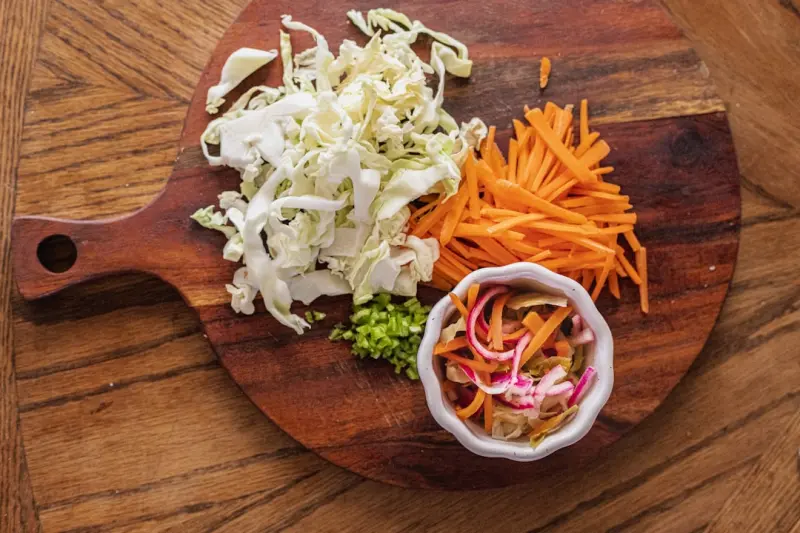
Start with fresh, organic cabbage – the fresher the leaf, the richer the flavor. Slice it thin, toss with non‑iodized sea salt, and massage until the juices coat every shred, creating a brine that encourages beneficial bacteria to flourish. Pack the mixture tightly into a clean jar, submerge the cabbage under its own liquid, and let it sit at room temperature for 3‑7 days, tasting daily until you hit that perfect tangy crunch. For a deeper dive into sustainable food practices, check out Zero‑Waste Dining for tips on repurposing scraps during fermentation.
Spicing Up Your Life with Kimchi
Kimchi adds a Korean flair to the fermentation family, marrying cabbage with radish, garlic, ginger, and a fiery gochugaru kick that awakens the palate and the microbiome alike. The secret lies in balancing salt, sugar, and spice to create a brine that nurtures lactic‑acid bacteria while preserving the vegetables’ crisp texture. After a week of fermenting at a cool room temperature, the flavors meld into a complex, umami‑rich condiment that can elevate anything from tacos to toast, and its probiotic profile rivals that of any commercial supplement.
Fizz, Fun, and Fermentation: Homemade Kombucha
Kombucha is a sparkling tea brewed with a symbiotic culture of bacteria and yeast (SCOBY), turning sweet tea into a low‑calorie, probiotic‑laden beverage that’s both refreshing and gut‑friendly. Begin by brewing strong black or green tea, sweetening it with cane sugar, then cooling it before adding the SCOBY and a splash of starter liquid from a previous batch. Cover the jar with a breathable cloth, let it ferment for 7‑14 days, and watch as the SCOBY forms a gelatinous “mother” that continuously produces beneficial acids and enzymes, perfect for a midday boost.
Seasonal Sourcing: Let Nature Lead Your Ferments
Choosing vegetables at their peak not only maximizes flavor but also ensures a robust native microflora, which is essential for a successful fermentation. In spring, opt for tender kale and radishes; summer offers cucumbers and carrots; autumn brings beets and turnips, each bringing unique textures and nutrient profiles to your jars. By aligning your ferment schedule with local harvest calendars, you support regional farmers and reduce your carbon footprint, a practice echoed in How Canadian Farmers Are Turning Data Into a New Harvest, where data-driven decisions enhance sustainability.
Zero‑Waste Fermentation: Turning Scraps into Superfoods
Every vegetable peel, stem, or leaf can become a fermentation star, turning what might otherwise be kitchen waste into nutrient‑dense foods. Carrot tops can be sliced thin and brined for a crunchy snack; beet greens make a tangy kimchi addition, while cucumber ends become the perfect base for quick pickle jars. This approach not only cuts down on landfill contributions but also extends the life of your produce, embodying the ethos of zero‑waste cooking while delivering a potent probiotic punch.
Common Pitfalls and How to Avoid Them
One frequent mistake is using metal containers, which can react with the acidic brine and compromise both flavor and safety; always choose glass, food‑grade plastic, or ceramic vessels. Another is neglecting to keep the vegetables fully submerged, inviting mold and unwanted yeasts; weight them down with a fermentation stone or a small zip‑lock bag filled with brine. Finally, temperature control matters: too warm and the fermentation races, producing off‑flavors; too cool and it stalls, so aim for a steady 65‑72°F environment for optimal results.
Join the Fermentation Community and Share Your Creations
Fermentation isn’t a solitary pursuit; it’s a thriving community of experimenters swapping recipes, troubleshooting tips, and celebrating successes. I encourage you to post photos of your jars, ask questions in online forums, and even host a “Ferment Night” where friends bring their latest batches to taste and discuss. By sharing knowledge, we keep the tradition alive, inspire newcomers, and collectively boost our health—one bubbling jar at a time.

Related Posts
Flavor‑First Nutrition: Simple Strategies for Busy Professionals
A vibrant, flavor‑focused guide that shows busy professionals how to build nutrient‑dense meals,... Read More
Rewilding Your Kitchen: The Unexpected Health Boost of Edible Flowers
A vibrant guide to incorporating edible flowers into everyday meals, exploring their nutrient power,... Read More

Nourishing Narratives: How Storytelling, Seasonality, and Sensory Cooking Transform Healthy Eating
Discover how weaving stories, seasonal foraging, and mindful cooking into everyday meals can elevate... Read More
Top Posts

How to Hack Your SaaS Spend: Smart Bundles, Tiered Pricing, and Hidden Savings
Learn a data‑driven, step‑by‑step approach to shrink SaaS expenses: map usage, negotiate bundles, adopt tiered pricing, and use AI for spend optimizationâ...Read More

Reaping the Future: How Canadian Farmers Turn Soil Into Digital Gold
From high‑resolution soil dashboards to solar‑powered barns, Canadian farmers are merging age‑old stewardship with modern technology, creating new revenue...Read More

Parental Warning: The Data Harvest Hidden in Everyday Parenting Apps
A deep dive into the unseen data collection by parenting apps, why it matters, and actionable tips for safeguarding your child's privacy....Read More

When Salary Isn't Enough: Rethinking Cost‑of‑Living Strategies for Modern Professionals
A practical guide that blends flexible pay structures, smart technology, community sharing, trust networks, and scenario planning to help professionals thrive a...Read More
0 Comments
Post Comment
You will need to Login or Register to comment on this post!