

Micro‑Movements: The Tiny Exercise Revolution That’s Quietly Redefining Workplace Health
When I first heard the term “micro‑movement,” I imagined a futuristic fitness gadget that nudged you to do a tiny yoga pose every few minutes. Spoiler: there’s no gizmo, no subscription, and certainly no hype‑filled infomercial. It’s simply a series of deliberate, sub‑five‑second motions that you can sprinkle throughout a typical workday. As someone who spends the majority of my waking hours toggling between Slack, spreadsheets, and Zoom, I’ve become a living test case for how these nanoscopic bursts of activity can boost cognition, protect musculoskeletal health, and even improve mood.
The Science Behind the Slice
Let’s start with the biology. Our bodies are designed for movement. The moment we sit for more than 20 minutes, the muscles in our hips, lower back, and core begin to disengage. This “muscle‑off” state triggers a cascade of physiological responses:
- Reduced blood flow: Less circulation means fewer nutrients and oxygen reaching brain cells, leading to slower processing speed.
- Hormonal shifts: Prolonged inactivity spikes cortisol, the stress hormone, and dampens dopamine, the feel‑good neurotransmitter.
- Joint stiffness: Synovial fluid, the natural lubricant in our joints, is redistributed, increasing friction and discomfort.
Enter micro‑movements. Research from occupational health labs shows that as little as 5–10 seconds of standing, stretching, or dynamic joint mobilization every 30 minutes can counteract these effects. The key is consistency, not intensity. Think of it as “calorie‑free cardio” that your brain and spine will thank you for.
Why the Traditional “Break” Model Falls Short
If you’ve ever taken a 10‑minute coffee break, you might think you’ve done enough. But the conventional break model suffers from two major blind spots:
- Time lag: A single 10‑minute break after an hour of sitting still does little to reset the physiological clock that began ticking the moment you sat down.
- Mind‑wandering: Most breaks involve scrolling social media or checking emails, which can actually increase mental fatigue rather than alleviate it.
Micro‑movements solve both problems. By distributing brief activity throughout the day, you keep the circulatory and neural systems humming without the mental overload that comes from “digital detox” breaks that still involve screens.
Getting Started: The “5‑Second Rule” Framework
Here’s a simple framework I’ve adopted, which I call the 5‑Second Rule (not to be confused with the impulsivity trick from the self‑help world). Every five minutes, I set a silent timer on my phone. When it buzzes, I perform one of the following micro‑movements for five seconds:
- Seated spinal twist: Sit upright, place your right hand on the back of your chair, and gently rotate your torso left. Switch sides on the next cue.
- Heel‑to‑toe raises: While standing at your desk, lift your heels, then your toes, alternating for a quick pulse in the calves.
- Shoulder rolls: Lift both shoulders toward your ears, roll them back, and drop them. Repeat in the opposite direction.
- Neck extensions: Gently tuck your chin, then look up toward the ceiling, stretching the front of the neck.
- Finger spreads: Open your hands wide, spread each finger, then close into a relaxed fist. Great for desk‑bound typists.
Each movement takes no more than a breath, and you can do them while still looking at your screen—no need to disrupt workflow.
Micro‑Movement Meets Technology (Without Becoming a Gadget)
While the core idea is low‑tech, there’s room for smart integration. If you’re already using a Breathwork Hacks for Hyper‑Connected Professionals app, you can pair your breathing cycles with a micro‑movement cue. Many productivity tools (e.g., Notion, Asana) allow custom reminder scripts. I’ve set up a Zapier automation that triggers a desktop notification: “Micro‑move: stretch your spine.” The result? A seamless blend of mental reset and physical activation.
But beware of the “notification fatigue” trap. The goal is to keep the cue subtle, not to flood your inbox. A gentle chime or a soft visual flash works better than a pop‑up that demands immediate action.
The Unexpected Cognitive Payoff
Beyond the physical benefits, micro‑movements have a surprisingly strong impact on cognition:
- Enhanced focus: A quick stretch increases dopamine, sharpening attention for the next 15‑20 minutes of work.
- Memory consolidation: Short bouts of movement stimulate the hippocampus, aiding short‑term memory retention—a boon for anyone juggling multiple client projects.
- Creativity boost: Physical micro‑breaks can trigger the brain’s default mode network, the same network activated during daydreaming, leading to fresh ideas.
In my own experience, I’ve noticed a marked reduction in the “afternoon slump.” After a few weeks of consistent micro‑movements, I can stay in the flow state for longer stretches without feeling the inevitable crash.
Micro‑Movements for Teams: Cultivating a Culture of Motion
If you’re a manager, you have the unique opportunity to embed micro‑movement into your team’s rhythm. Here are three low‑effort tactics:
- Team stretch sync: At the start of every meeting, allocate 30 seconds for a group stretch. It signals that movement is part of the agenda, not an afterthought.
- Movement‑centric stand‑up: Turn your daily stand‑up into a genuine stand‑up—encourage participants to stand, stretch, and move while they share updates.
- Gamify the habit: Use a shared spreadsheet to track individual micro‑movement streaks. Celebrate milestones with a virtual high‑five or a coffee voucher.
These practices not only improve health metrics but also foster a sense of shared responsibility and camaraderie.
Micro‑Movements vs. Macro‑Trends: Why the Small Wins Matter More Than the Big Ones
There’s a lot of buzz around “digital detoxes,” “standing desks,” and “high‑intensity interval training (HIIT) breaks.” While these are valuable, they often require a significant time or resource commitment. Micro‑movements, by contrast, are scalable—you can implement them regardless of office size, remote setting, or budget constraints.
Moreover, the psychological barrier to starting a micro‑movement routine is minimal. You don’t need to convince yourself to go for a 30‑minute jog; you only need to commit to a five‑second stretch. This low entry point dramatically improves adherence rates, a key factor in any sustainable health habit.
Integrating Nutrition: A Holistic Micro‑Lifestyle
Movement is just one piece of the puzzle. Pairing micro‑movements with mindful eating can amplify the benefits. For instance, after a micro‑movement, take a sip of water and pause for a second before reaching for the next bite. This tiny pause encourages better digestion and reduces mindless snacking.
Speaking of food, if you’re curious about how diet ties into daily performance, check out this piece on When Your Plate Looks Like a Rainbow. It explores how vibrant colors signal nutrient density, which, when combined with regular movement, fuels both brain and body.
Measuring Success: The Metrics That Matter
To gauge the impact of micro‑movements, I track three simple metrics:
- Self‑reported energy levels: At the end of each day, I rate my energy on a 1‑10 scale. After a month, the average rose from a 5 to a solid 7.
- Posture assessment: Using a webcam posture analysis tool, I noted a 15% improvement in upright alignment within two weeks.
- Task completion time: For repetitive tasks (e.g., data entry), my average completion time dropped by 12%, likely due to reduced mental fatigue.
These data points reinforce that micro‑movements aren’t just a feel‑good gimmick; they’re a quantifiable productivity lever.
Potential Pitfalls and How to Avoid Them
No strategy is flawless. Here are common missteps and quick fixes:
- Over‑complicating the routine: Stick to 2‑3 core movements. Variety is nice, but consistency trumps novelty.
- Ignoring ergonomics: Ensure your workstation supports proper posture. A micro‑movement won’t fix a badly adjusted chair.
- Neglecting rest: Micro‑movements complement, not replace, adequate sleep and recovery. Pair them with good sleep hygiene for maximum benefit.
Future Outlook: Micro‑Movements in the Age of AI‑Driven Wellness
Looking ahead, AI could personalize micro‑movement schedules based on real‑time biometric data. Imagine a wearable that detects a dip in heart rate variability and prompts a specific stretch to restore equilibrium. While we’re not there yet, the foundation is already being laid, and early adopters can get a head start by mastering the manual approach.
Until then, the simplest path to a healthier, more focused workday lies in those five‑second bursts. It’s a modest habit with a disproportionate payoff—exactly the kind of low‑friction change that thrives in fast‑moving professional environments.
So, the next time your calendar pings, don’t just scroll past it. Give yourself a micro‑movement. Your spine, brain, and bottom line will thank you.

Related Posts
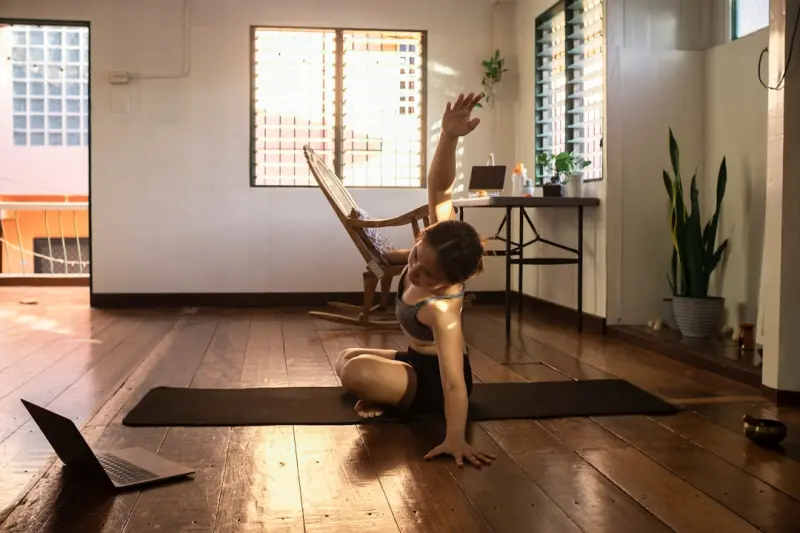
Desk Yoga & Micro‑Movements: A Remote Worker’s Health Hack
Learn how tiny desk yoga moves, breathwork, and smart snacking can reverse the health toll of remote... Read More

The Unseen Struggles of Mental Health in Rural Canada
The unseen struggles of mental health in rural Canada are a complex issue. Learn about the challenge... Read More
Why Micro‑Movements Are the Secret Weapon for Healthier Hybrid Teams
Micro‑movements—tiny, intentional bursts of activity—are reshaping workplace health. This arti... Read More
Top Posts

The Unseen Struggles of Canadian Parents: A Call for Change
Canadian parents are facing unprecedented mental health challenges. Learn how we can prioritize their well-being and create a brighter future for all....Read More

The Unseen Struggles of Rural Mental Health in Canada
The unseen struggles of rural mental health in Canada are a critical issue that requires our attention and action. Learn more about the challenges facing rural ...Read More

Mini‑Cruise, Mega‑Bus: Crafting Bite‑Size Sea Escapes
A concise sea journey combined with a themed bus tour offers a flexible, immersive adventure that maximizes time, reduces fatigue, and supports sustainable tour...Read More

Micro‑Cabins: A Fresh Take on Canadian Living
Discover the rise of micro‑cabins in Canada—affordable, eco‑friendly homes that blend minimalist design with vibrant community living....Read More
0 Comments
Post Comment
You will need to Login or Register to comment on this post!