
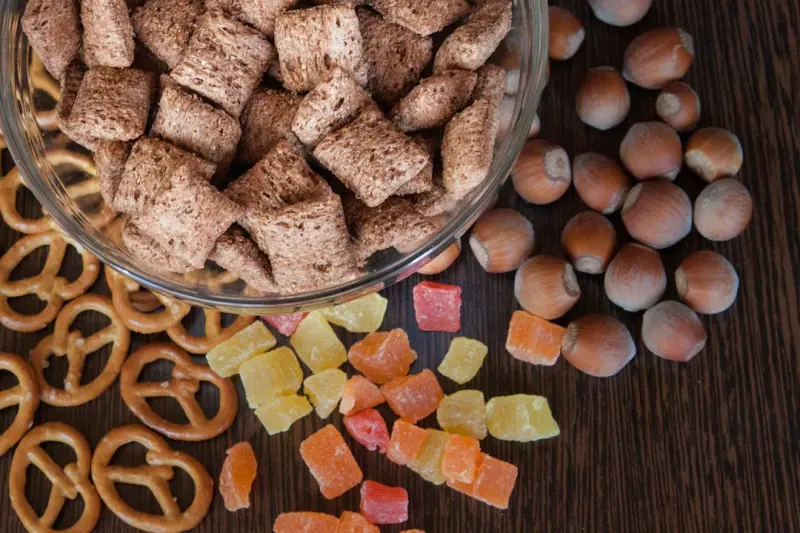
In the relentless rhythm of modern work—back‑to‑back meetings, endless inboxes, and the occasional caffeine crash—snacking can feel like a guilty concession. Yet, when we shift from “mindless munching” to strategic, nutrient‑dense snacking, we unlock a silent engine of sustained energy, mental clarity, and long‑term health. Below, I’m sharing the framework I use daily to turn the humble snack into a performance‑boosting tool, without sacrificing flavor or convenience.
Why Snacks Matter More Than You Think
Most of us view snacks as a bridge between meals, a quick fix to stave off hunger. Science tells a different story: the foods we choose between meals influence blood‑sugar stability, neurotransmitter production, and even the composition of our gut microbiome. A well‑timed, balanced snack can prevent the post‑lunch slump, keep cortisol levels in check, and support the brain’s demand for glucose without the roller‑coaster of spikes and crashes.
Think of your body as a high‑performance laptop. The battery (your energy reserves) runs on a steady current, not a sudden surge. When you feed it with refined carbs or sugary bars, you’re essentially plugging in a low‑quality charger that overheats and depletes the battery faster. In contrast, snacks rich in protein, healthy fats, and fiber act like a premium charger—delivering a consistent flow that powers you through the day.
The Three Pillars of a Power Snack
To construct a snack that truly fuels, I rely on three core components:
- Protein (10‑20 g): stabilizes blood sugar and promotes satiety. Sources include Greek yogurt, boiled eggs, roasted chickpeas, or a modest handful of nuts.
- Healthy Fats (5‑10 g): supports brain health and slows carbohydrate absorption. Avocado slices, nut butter, olives, or a few seeds do the trick.
- Fiber‑Rich Carbs (15‑30 g): provides a gentle glucose release and keeps digestion smooth. Fresh berries, apple wedges, carrot sticks, or a small portion of whole‑grain crackers fit perfectly.
When these three elements align, you create a snack that sustains energy for 2‑3 hours—perfect for the interval between a morning briefing and the afternoon deep‑work session.
Building Your Snack Toolkit
Here’s a quick inventory of pantry and fridge staples that make assembling a power snack effortless:
- Protein Packs: pre‑cooked edamame, smoked salmon, low‑sodium turkey jerky, or plant‑based protein powders (mix with water or unsweetened almond milk).
- Fat Boosters: single‑serve almond butter packets, olive‑oil‑based dressings, or a small handful of pumpkin seeds.
- Fiber Vehicles: sliced bell peppers, snap peas, low‑GI fruit like green apples, or a serving of overnight oats (prepared with chia seeds for extra texture).
Having these items on hand eliminates the temptation to reach for vending‑machine fare. The key is portion control; pre‑portioning into reusable containers or snack bags helps you stay within the ideal macronutrient ranges without second‑guessing.
Snack Pairings That Deliver
Below are five of my go‑to combinations, each designed to meet the three‑pillar rule while catering to diverse taste preferences.
- Greek Yogurt + Berries + Walnuts: creamy protein, antioxidant‑rich berries, and omega‑3‑laden walnuts create a balanced, dessert‑like bite.
- Hard‑Boiled Egg + Avocado Toast on Sprouted Grain: the egg supplies high‑quality protein, while avocado adds monounsaturated fats and the sprouted bread offers fiber.
- Hummus + Veggie Sticks + Olive Tapenade: hummus (chickpea protein) paired with crisp carrots and a dab of olive tapenade gives a Mediterranean flair.
- Almond Butter + Apple Slices + Cinnamon: the nut butter’s fats and protein marry with the apple’s fiber; a sprinkle of cinnamon adds a metabolism‑boosting spice.
- Protein Smoothie (Plant‑Based Powder + Spinach + Unsweetened Coconut Milk + Chia Seeds): blend for a portable, drinkable snack that’s perfect when you’re on the move.
Timing Is Everything
Strategic timing amplifies the benefits of a smart snack. Aim to eat a snack every 3‑4 hours, especially before a cognitively demanding task. For example, a 10‑minute break before a presentation is an ideal moment to fuel up with a protein‑fat‑fiber combo. This not only steadies glucose but also primes neurotransmitter synthesis, enhancing focus and verbal fluency.
If you find yourself working late, opt for a snack lower in carbs and higher in protein and fat—think cottage cheese with cucumber or a small serving of roasted nuts. This reduces the likelihood of an evening sugar surge that could interfere with sleep quality.
Mindful Snacking in a Hyper‑Connected World
Our digital environments constantly vie for attention, making it easy to eat while scrolling or typing. That split focus can lead to over‑consumption because the brain doesn’t register satiety cues properly. To counteract this, I practice a brief “snack reset” before each bite: pause, take a deep breath, and notice the texture, aroma, and taste. This simple mindfulness step not only improves digestion but also reinforces a healthier relationship with food.
For a deeper dive into reclaiming mental space amid constant notifications, you might find this article helpful: reclaiming mental space in a hyper‑connected world. It outlines practical habits that pair nicely with mindful snacking, ensuring your brain isn’t overloaded when you’re fueling your body.
Leveraging Tiny Movement Breaks
Even the best snack can be undermined by prolonged sedentary periods. Pairing your snack with a brief physical micro‑break—like a set of desk stretches or a quick walk to the water cooler—helps your muscles absorb nutrients more efficiently and keeps blood flow optimal. The concept of brief, purposeful movement is explored in depth here: tiny exercise revolution for workplace health. Integrating these micro‑movements after snacking maximizes the metabolic benefits and wards off the “post‑lunch dip”.
Seasonal Sensibility Without the Same Recipe
While I’m not rehashing pantry‑seasonality guides, I do believe that aligning snacks with what’s naturally abundant each season adds both nutritional value and excitement. In spring, for instance, fresh peas and asparagus pair beautifully with lemon‑yogurt dip. Summer invites juicy stone fruits and chilled lentil salads, while autumn brings roasted root vegetables and spiced nuts. Winter’s comfort comes from roasted cauliflower florets with tahini drizzle. The underlying principle: let the season inform the texture and flavor profile, but always respect the protein‑fat‑fiber balance.
Beyond the Snack: Long‑Term Benefits
Consistently choosing balanced snacks has ripple effects that extend far beyond the office:
- Metabolic Health: Stable blood sugar reduces insulin resistance risk over time.
- Cognitive Resilience: Adequate protein supports neurotransmitter production, enhancing memory and mood.
- Gut Microbiome Diversity: Fiber‑rich carbs feed beneficial bacteria, which in turn influence immune function and even mental health.
- Weight Management: Satiety from protein and fat curtails overeating at subsequent meals.
These outcomes underscore that snacking isn’t a peripheral habit—it’s a cornerstone of holistic performance.
Putting It All Together: Your 7‑Day Snack Blueprint
To make the transition seamless, I recommend a one‑week trial where you pre‑plan your snack lineup. Below is a sample schedule:
- Monday: Greek yogurt, mixed berries, and a sprinkle of chia seeds.
- Tuesday: Sliced apple, almond butter, and a few dark‑chocolate chips (70%+ cocoa).
- Wednesday: Hard‑boiled egg, avocado toast on rye, and a dash of pepper.
- Thursday: Hummus, cucumber sticks, and a handful of olives.
- Friday: Protein smoothie with spinach, unsweetened coconut milk, and hemp seeds.
- Saturday: Cottage cheese, cherry tomatoes, and a drizzle of olive oil.
- Sunday: Roasted chickpeas, bell‑pepper strips, and a squeeze of lemon.
Adjust portions to meet your specific calorie needs, but keep the macro ratios consistent. After the week, note how you feel—energy levels, focus, and any cravings. This reflective practice helps you fine‑tune the snack formulas to your unique physiology.
Final Thought: Snack With Intent, Not Impulse
In a world that glorifies hustle, we often overlook the micro‑choices that sustain it. By treating snacks as intentional performance tools—balanced, mindful, and timed—you create a feedback loop where your body fuels your ambition, and your ambition respects your body’s needs. The next time you reach for that candy bar, pause, and ask: “What does my brain truly need right now?” The answer, more often than not, will be a smart, nutrient‑dense snack that powers you forward.

Related Posts
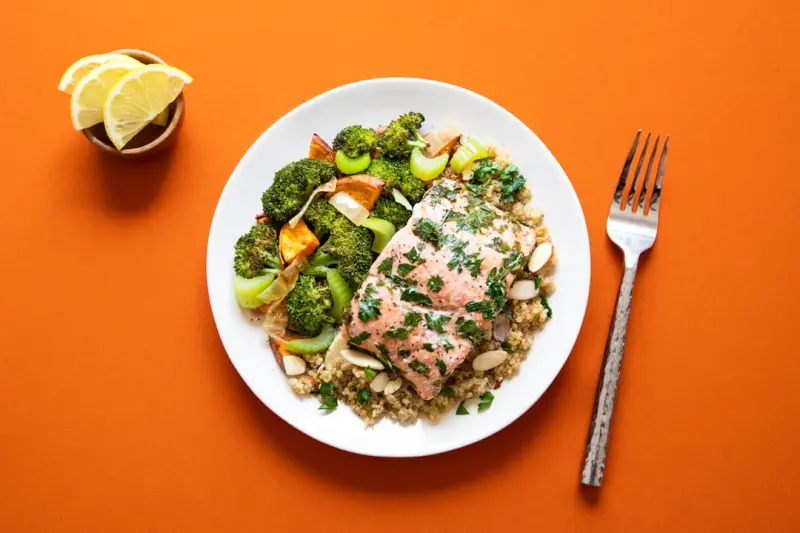
Flavorful Fuel: Rethinking Everyday Meals for Peak Health
A fresh look at turning ordinary dishes into nutrient-packed powerhouses, using simple swaps and min... Read More
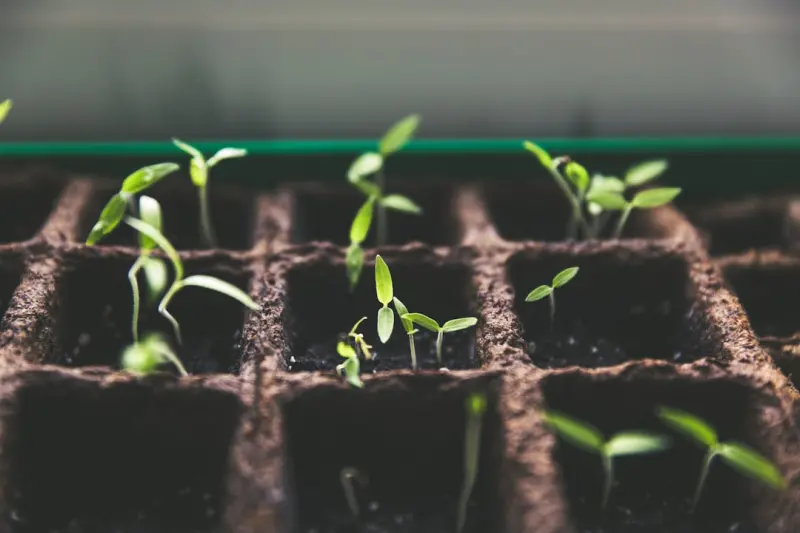
Sprouting Secrets: Turning Seeds into Supercharged Snacks
Learn the science, steps, and creative uses of sprouting to create nutrient‑rich micro‑greens at... Read More

Colorful Eating: How a Rainbow Plate Boosts Mood, Energy, and Health
Explore the science behind colorful foods, learn simple ways to add a rainbow to your meals, and see... Read More
Top Posts

Turning Tariffs into Strategic Levers: A Data‑First Playbook for SaaS Leaders
A fresh, data‑centric guide shows SaaS leaders how to transform tariffs from hidden costs into strategic levers, using real‑time intelligence, predictive co...Read More

Fermentation: The Secret Weapon for Busy Professionals Seeking Better Health
Fermentation isn’t just a culinary trend; it’s a powerful, low‑maintenance tool for busy professionals to boost gut health, mental clarity, and sustainabl...Read More

From Lattes to Laughs: Benji's Coffee Bar Owner Brews Up a Comedy Dream
Benjamin Batelaan, the entrepreneurial spirit behind Benji's Coffee Bar in Downtown Belleville, is brewing up more than just lattes these days. He's embarking o...Read More

Strategic Savings: Turning SaaS Deals Into a Predictable Revenue Engine
A three‑pillar approach—Deal Radar, value‑first bundling, and timing mastery—helps B2B SaaS buyers turn random discounts into a predictable savings engi...Read More
0 Comments
Post Comment
You will need to Login or Register to comment on this post!