
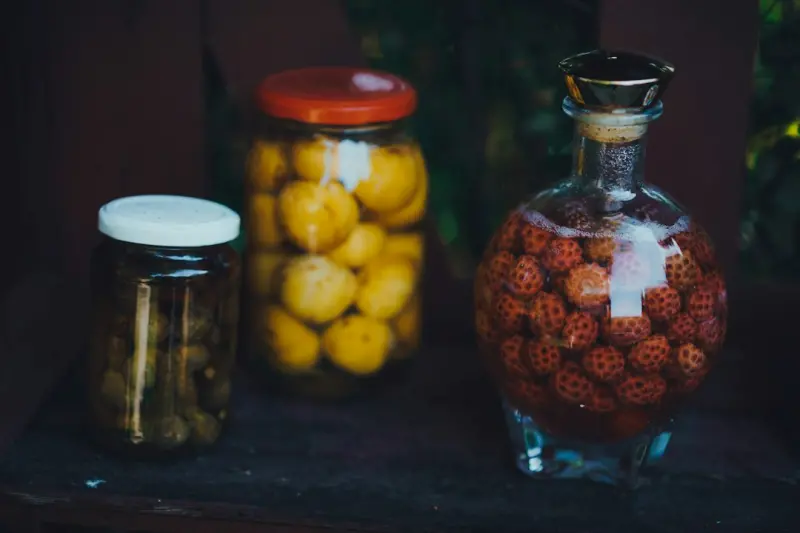
When I first cracked open a jar of wild-caught kimchi in my tiny downtown kitchen, I didn’t just taste a tangy bite—I felt the pulse of a centuries‑old tradition humming through the modern hum of my refrigerator. Fermentation isn’t just a culinary technique; it’s a quiet rebellion against the throw‑away culture that dominates our grocery aisles. In a world where convenience often trumps conscience, the act of coaxing microbes to transform vegetables, milk, and fruit into probiotic powerhouses is becoming the most delicious form of resistance.
Why Fermentation Is the New Kitchen Superpower
Fermented foods—think sauerkraut, kombucha, kefir, and miso—are more than trendy Instagram captions. They’re living foods that deliver:
- Gut health benefits: A balanced microbiome supports digestion, immunity, and even mood regulation.
- Extended shelf life: Properly fermented items can last weeks or months, reducing waste.
- Flavor depth: The slow biochemical dance of bacteria and yeasts creates layers of umami, acidity, and complexity no shortcut can mimic.
What’s fascinating is that this “old‑world” practice aligns perfectly with today’s tech‑savvy, data‑driven mindset. While many chefs chase hyper‑personalized dining experiences—see The Secret Sauce Behind the Next Wave of Hyper‑Personalized Dining for the latest—home fermenters are doing something equally personal: crafting flavors that are uniquely theirs, guided by intuition, science, and a dash of daring.
The Science That Makes It All Tick
At its core, fermentation is a controlled biological process. Lactic acid bacteria (LAB) convert sugars into lactic acid, lowering pH and creating an environment where harmful microbes can’t thrive. Yeasts, on the other hand, turn sugars into ethanol and carbon dioxide—think kombucha’s effervescent fizz. Understanding these microbes doesn’t require a Ph.D.; a few key concepts go a long way:
- Temperature control: Most LAB love 65‑75°F (18‑24°C). Too hot, and you risk off‑flavors; too cold, and the process stalls.
- Salinity: Salt isn’t just seasoning—it draws water out of vegetables, creating a brine that protects against spoilage while encouraging beneficial bacteria.
- Time: Fermentation is a marathon, not a sprint. A day or two yields a mild tang; a month delivers a full‑bodied, complex profile.
When you pair this science with simple tools—a glass jar, a weight, a breathable cloth—you have a miniature lab that fits on any countertop.
Getting Started: Your First Fermentation Projects
Below are three beginner‑friendly projects that will give you a solid foundation and a taste of the possibilities.
1. Classic Sauerkraut
Ingredients: 1 kg of fresh cabbage, 20 g of non‑iodized salt.
- Shred the cabbage thinly and toss with salt. Let it sit for 10‑15 minutes; the salt will draw out moisture.
- Massage the cabbage until it becomes limp and releases its own brine.
- Pack the mixture tightly into a sterilized jar, ensuring the cabbage stays submerged under its brine. Use a fermentation weight or a clean stone.
- Cover the jar with a cloth or a loose‑fit lid to allow gases to escape while keeping out insects.
- Store at room temperature (65‑70°F) for 5‑7 days, tasting daily. Once you like the flavor, move it to the refrigerator to slow fermentation.
2. Kombucha Starter Kit
Ingredients: 1 L of black or green tea (cooled), 80 g of sugar, 100 mL of unflavored kombucha starter (store‑bought or from a previous batch), and a SCOBY (Symbiotic Culture of Bacteria and Yeast).
- Brew tea and dissolve the sugar while it’s hot.
- Allow the tea to cool to room temperature, then pour into a wide‑mouth glass jar.
- Add the starter liquid and gently place the SCOBY on top.
- Cover with a breathable cloth secured with a rubber band.
- Let it ferment for 7‑14 days, tasting daily. When it reaches the right balance of sweetness and tartness, bottle it, add a splash of fruit juice if desired, and refrigerate.
3. Quick‑Pickled Fermented Carrots
Ingredients: 300 g carrots (julienned), 2 tbsp sea salt, 500 mL filtered water, 2 cloves garlic, 1 tsp whole coriander seeds, a pinch of red pepper flakes.
- Dissolve salt in water to create a brine.
- Pack carrots, garlic, and spices into a jar, then pour brine over them, leaving about 1 cm of headspace.
- Seal loosely and let sit at room temperature for 3‑5 days. The carrots will develop a gentle tang and crisp texture.
These recipes are just the tip of the iceberg. Once comfortable, you can experiment with fermented hot sauces, miso, tempeh, and even probiotic fruit leathers.
From Kitchen Hobbyist to Community Catalyst
Fermentation thrives on sharing. In many cultures, families pass down starter cultures—like the sourdough levain or kombucha SCOBY—through generations. In modern urban settings, this tradition has morphed into “culture swaps” where neighbors trade jars, recipes, and tips. Such exchanges not only expand your palate but also build a micro‑network of food resilience.
Think about it: a single jar of live culture can seed dozens of new batches. If you host a small tasting party and give each guest a starter, you’ve just multiplied your fermentation impact exponentially. This communal spirit mirrors the ethos behind the Zero‑Waste Cocktail Revolution, where sharing and reusing become central to the experience.
Scaling Up: Fermentation for Small Businesses
Restaurants and specialty food shops are catching on. The advantage is twofold:
- Authenticity: Hand‑crafted fermented items tell a story that mass‑produced shelf‑stable products can’t match.
- Margin Boost: Fermentation often uses inexpensive, locally sourced produce, turning low‑cost ingredients into high‑value menu items.
For example, a boutique deli might introduce a rotating lineup of house‑fermented kimchi, each batch featuring seasonal vegetables sourced from nearby farms. Not only does this reduce food miles, but it also creates a “farm‑to‑ferment” narrative that resonates with eco‑conscious diners.
Common Pitfalls and How to Dodge Them
Even seasoned fermenters run into hiccups. Here’s a quick troubleshooting guide:
- Mold: White, fuzzy mold indicates contamination. Discard the batch and double‑check sanitation.
- Off‑flavors: Over‑fermentation can lead to overly sour or “vinegary” notes. Adjust time and temperature for future batches.
- Soft Brine: If the brine is too weak, beneficial bacteria may not dominate. Increase salt concentration slightly (by 2‑3 g per kilogram of veggies).
Remember, each batch is an experiment. Keep a simple log—date, temperature, ingredients, and observations—to refine your technique over time.
Future Trends: Fermentation Meets Technology
The next frontier lies at the intersection of biotech and kitchen craft. Emerging tools include:
- Smart Fermentation Kits: Bluetooth‑enabled lids that monitor pH, temperature, and gas production, sending alerts to your phone.
- AI Flavor Pairing Platforms: Algorithms that analyze the metabolites produced during fermentation, suggesting complementary ingredients for next‑level taste profiles.
- Community Data Pools: Online databases where home fermenters upload batch data, creating a collective knowledge base that accelerates learning.
These innovations echo the data‑driven approach highlighted in our recent Data‑Driven Sustainable Freshwater Fishing article, but with a palate‑focused twist. Imagine a dashboard that tells you precisely when your kimchi has hit its peak flavor, or a community map showing the most successful fermentation climates across the country.
Closing Thoughts: The Fermenter's Manifesto
Fermentation isn’t a fleeting fad; it’s a mindset that embraces patience, curiosity, and stewardship. By inviting microbes into our kitchens, we acknowledge that food is a living system—one that can heal our bodies, reduce waste, and connect us to a global tradition of flavor‑crafting.
So, the next time you open your fridge and see a bubbling jar, remember: you’re not just storing food—you’re cultivating a tiny ecosystem that could very well change the way you think about what ends up on your plate. Grab a spoon, taste the tang, and let the fermentation revolution begin.

Related Posts
Fermentation at Home: Unlocking Bold Flavors in Your Kitchen
Dive into the world of home fermentation and learn simple techniques to create tangy drinks, probiot... Read More

When Menus Whisper: Crafting Stories Behind Every Bite
A deep dive into how narrative-driven menus turn ordinary meals into immersive experiences, boosting... Read More
Fermentation at Home: Turning Everyday Foods into Supercharged Staples
Explore the rise of home fermentation, from easy vegetable pickles to probiotic drinks, and learn ho... Read More
Top Posts

Why City Cruises Should Be Your Next Adventure
Are you yearning for a unique perspective, a fresh breeze, and a memory that will last a lifetime? Forget the crowded streets and the mundane routines; it's tim...Read More

Canada vs USA Over Tariffs A Closer Look
In recent years, the trade relationship between Canada and the USA has been under strain due to the imposition of tariffs by both countries. These tariffs have ...Read More

Discovering the Hidden Gems of Rural Canada: A Journey Through Bus Tours and Cruises
Join me on a journey through rural Canada's stunning landscapes and vibrant communities on a bus tour or cruise. Experience the authentic culture and natural be...Read More

A Signature Scent Strategy: Elevating Prom and Graduation Memories
A signature scent can become the invisible guest that ties together décor, music, and emotion at prom or graduation, creating lasting memory cues that endure l...Read More
0 Comments
Post Comment
You will need to Login or Register to comment on this post!