
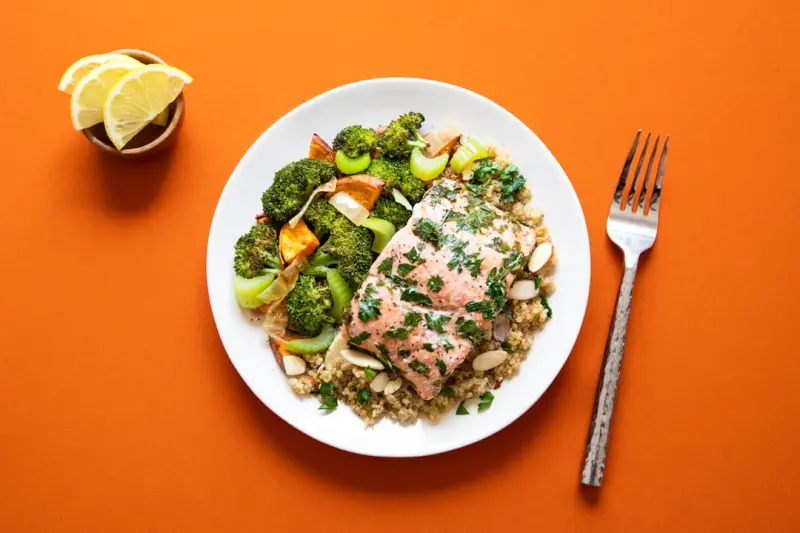
The Power of Food as Medicine
When I first began tracking my own health metrics, I realized that the most potent prescription was already on my kitchen counter, waiting to be transformed into a nutrient-dense masterpiece that could boost immunity and stabilize mood. Over the years, I’ve learned to read food labels like a doctor reads lab results, recognizing that each color, texture, and aroma carries a specific set of bioactive compounds that interact with the body’s cellular pathways, reducing inflammation, supporting hormone balance, and even influencing gene expression in subtle yet measurable ways. This perspective has shifted my grocery list from a random assortment of convenience items to a curated selection of foods that act as both fuel and therapeutic agents, turning everyday meals into proactive health interventions.
Building a Colorful Plate
One of the simplest yet most powerful habits I’ve adopted is to aim for a rainbow on every plate, because each hue corresponds to a unique set of phytonutrients that collectively create a synergistic shield against chronic disease. Deep reds like beetroot and tomatoes deliver lycopene, which has been linked to cardiovascular health, while vibrant oranges such as carrots and sweet potatoes provide beta‑carotene that supports vision and skin integrity; greens like kale and spinach supply chlorophyll and folate, essential for detoxification and DNA synthesis, and blues and purples from berries and eggplant bring anthocyanins that enhance brain function and reduce oxidative stress. By consciously combining these colors, I not only make meals more visually appealing but also ensure a broader spectrum of vitamins, minerals, and antioxidants that work together to keep the body resilient.
Smart Shopping Strategies
To translate the theory of colorful nutrition into reality, I rely on a set of smart shopping strategies that keep my pantry stocked with wholesome choices while respecting a modest budget, a balance I frequently discuss in my “smart budgeting for groceries” guide, where I outline how bulk buying, seasonal selections, and strategic use of coupons can stretch dollars without compromising quality. I start each trip by scanning the store’s circular for sales on frozen berries, legumes, and whole grains, then cross‑reference those deals with a master list of nutrient powerhouses, ensuring that every discount aligns with my health goals. Finally, I avoid the impulse aisle by establishing a “clean zone” in my cart, where only items that meet my color‑rich criteria are allowed, turning the supermarket into a controlled laboratory for optimal nutrition.
Cooking Techniques That Preserve Nutrients
Even the most perfect produce can lose its nutritional punch if cooked incorrectly, so I’ve become meticulous about selecting methods that retain or even enhance the bioavailability of key compounds, a practice I refer to as “nutrient‑friendly cooking.” Steaming broccoli for just three minutes, for example, preserves its sulforaphane content better than boiling, while a quick sauté of garlic in extra‑virgin olive oil activates allicin, a powerful antimicrobial agent that can be deactivated by prolonged heat. Moreover, I often finish dishes with a splash of acidic ingredients like lemon juice or vinegar, which not only brightens flavor but also improves the absorption of iron from plant sources, turning a simple stir‑fry into a finely tuned nutritional delivery system.
Seasonal Superstars: Embracing Nature’s Calendar
One of the most rewarding aspects of my culinary journey is syncing meals with the seasons, because nature’s calendar inherently dictates the peak nutrient density of fruits and vegetables, a concept I explore in my seasonal swaps guide, where I compare the antioxidant profiles of summer berries to winter root vegetables, illustrating how each period offers distinct health advantages. In spring, for instance, asparagus and peas deliver high levels of folate and vitamin K, supporting blood clotting and bone health, while autumn ushers in pumpkins and squash packed with potassium and vitamin A, essential for cardiovascular function and immune defense. By aligning my menu with these natural cycles, I not only enjoy superior taste but also maximize the intake of the most potent, freshly harvested compounds available.
Fermentation and Gut Health
Beyond fresh produce, I’ve incorporated fermented foods as a cornerstone of my diet because they introduce live cultures that nurture a diverse microbiome, a factor increasingly recognized for its influence on everything from digestion to mental clarity. Homemade kimchi, sauerkraut, and kefir supply lactobacilli that compete with pathogenic bacteria, reinforce the gut barrier, and produce short‑chain fatty acids that modulate inflammation and insulin sensitivity, creating a cascade of benefits that ripple throughout the body. To make fermentation approachable, I start with small batches, using a simple salt‑to‑vegetable ratio and a glass jar, allowing the natural fermentation process to unfold over a few days, resulting in tangy, probiotic‑rich side dishes that complement any meal.
Mindful Eating for Sustainable Energy
Even the most nutrient‑dense plate can falter if consumed without awareness, so I practice mindful eating techniques that synchronize the brain’s satiety signals with the digestive process, ensuring sustained energy without the post‑meal crash that many experience with high‑glycemic foods. I begin by pausing before the first bite, taking three deep breaths to center attention, then chew each mouthful deliberately for at least 20–30 seconds, allowing saliva to begin the enzymatic breakdown of carbohydrates and signaling fullness to the hypothalamus. This deliberate pace not only enhances flavor perception but also stabilizes blood sugar spikes, fostering a calm, focused state that supports productivity and emotional balance throughout the day.
Meal Prep Made Simple
To embed these principles into a busy lifestyle, I rely on a streamlined meal‑prep routine that batches nutrient‑rich components once a week, creating a modular “building‑block” system where roasted vegetables, quinoa, and marinated legumes can be mixed and matched into countless bowls, salads, and wraps, eliminating decision fatigue while preserving variety. I allocate a two‑hour window on Sunday to roast a tray of mixed root veg, steam a pot of leafy greens, and cook a large batch of whole‑grain farro, then portion them into airtight containers, adding a pre‑made sauce—often a blend of tahini, lemon, and herbs—to keep flavors fresh. This method not only saves time but also ensures that each weekday meal meets my standards for color, nutrient density, and culinary excitement, making healthy eating a sustainable habit rather than an occasional effort.
Beyond the Plate: Lifestyle Integration
Finally, I view nutrition as one facet of a holistic lifestyle, intertwining diet with movement, sleep, and stress management to create a synergistic health ecosystem where each element reinforces the others, a concept I frequently discuss in my broader wellness columns. Regular moderate exercise, such as brisk walking or yoga, amplifies the uptake of nutrients like magnesium and B‑vitamins, while adequate sleep restores the body’s capacity to metabolize carbohydrates efficiently, reducing cravings for processed sugars. By treating food as both fuel and medicine within this interconnected framework, I’ve discovered a sustainable path to vitality that feels less like a regimen and more like a natural, enjoyable rhythm of living.

Related Posts
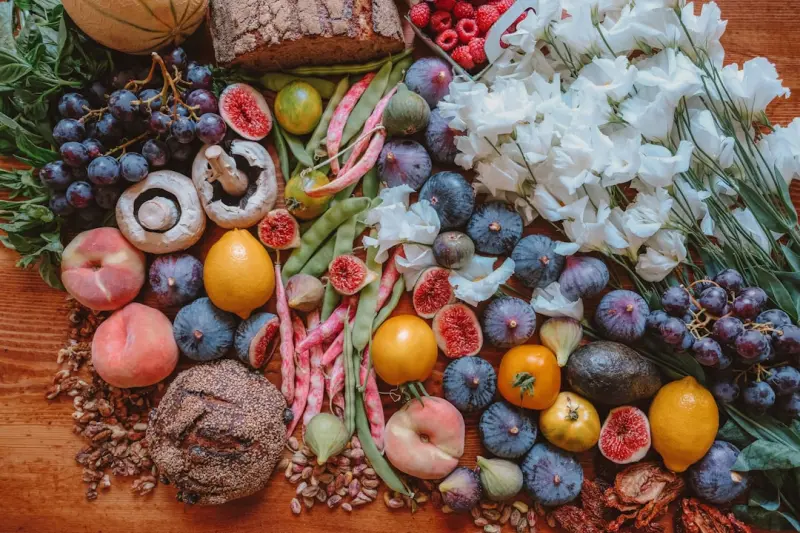
Seasonal Eating: The Gut‑Boosting, Energy‑Elevating Food Strategy
Learn why eating with the seasons fuels a healthier gut, steadier energy, and a greener wallet, plus... Read More

Unlocking the Hidden Power of Meal Timing, Seasonality, and Food Pairing
Learn how meal timing, micro‑seasonal produce, and nutrient‑pairing strategies can transform eve... Read More
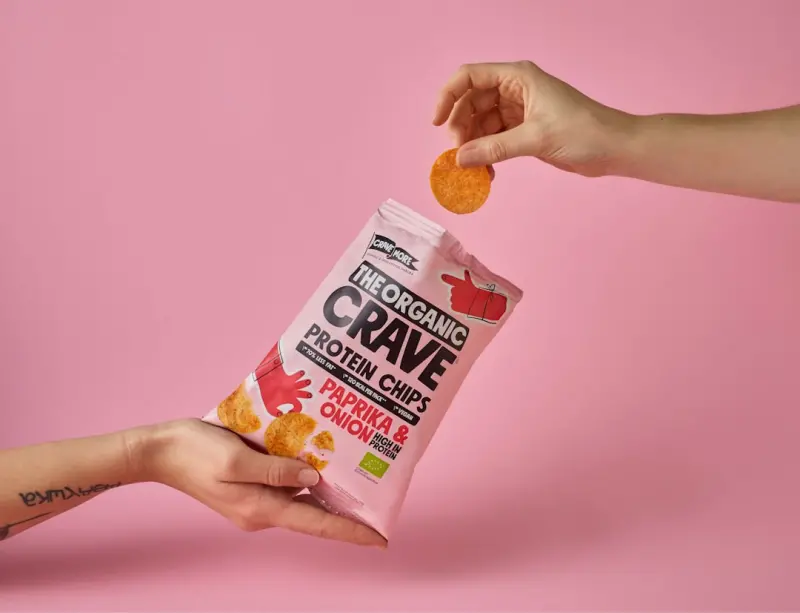
Why Plant‑Powered Snacks Are the Secret Weapon for Modern Professionals
Explore the strategic benefits of plant‑based snacks for modern professionals, featuring scienceâ€... Read More
Top Posts
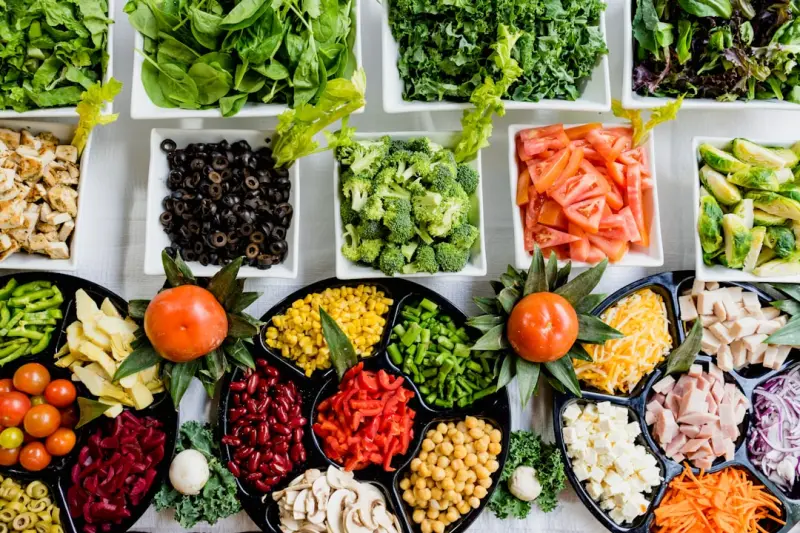
Unlocking Nutrient Synergy: How Smart Food Pairings Supercharge Your Health
Learn the science behind nutrient synergy and how pairing foods like tomatoes with healthy fats or spinach with citrus can dramatically improve nutrient absorpt...Read More

The Home Office Tax: Unpacking the Real Cost of Working From Your Living Room
Remote work feels like a money‑saving win—until you tally the hidden utility, internet, and software costs. This post reveals the true expense of a home off...Read More

Citizen Assemblies: Re‑energizing Canadian Democracy
A deep dive into citizen assemblies as a fresh democratic tool, blending Indigenous consensus traditions with technology to reshape Canada’s political landsca...Read More

When Menus Whisper: Crafting Stories Behind Every Bite
A deep dive into how narrative-driven menus turn ordinary meals into immersive experiences, boosting guest loyalty and creating memorable brand stories....Read More
0 Comments
Post Comment
You will need to Login or Register to comment on this post!