
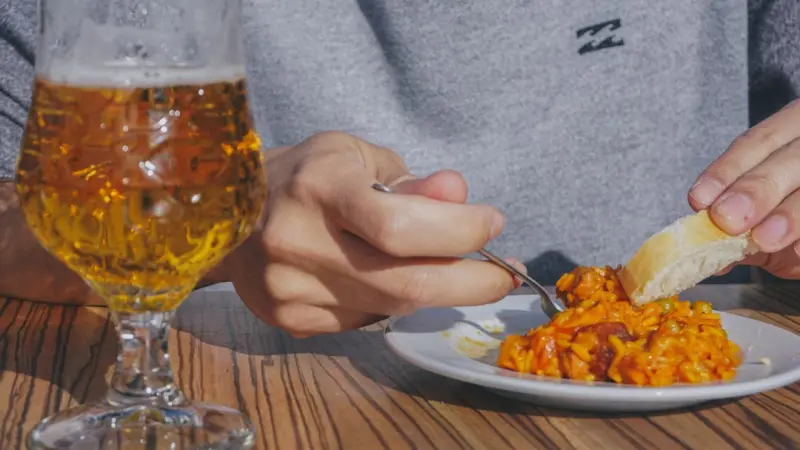
Why Food Pairing Matters More Than You Think
When I first started experimenting in the kitchen, I treated recipes like playlists—mixing and matching tracks until the vibe felt right. It didn’t take long to realize that the same principle applies to the plate. The way you combine foods can amplify nutrients, stabilize blood sugar, and keep your mind sharp for those marathon meetings. It’s not just about taste; it’s about engineering a meal that works with your body’s chemistry.
The science behind complementary nutrients
Every food carries a unique profile of macronutrients (carbs, proteins, fats) and micronutrients (vitamins, minerals, phytonutrients). When you pair certain foods together, you can:
- Boost absorption. Fat-soluble vitamins (A, D, E, K) need a little dietary fat to slip through the intestinal wall. A drizzle of olive oil over a kale salad does the trick.
- Slow glucose spikes. Pairing high‑glycemic carbs with protein or healthy fats creates a more gradual release of sugar into the bloodstream, keeping energy levels steady.
- Enhance antioxidant activity. Some compounds work better together. For instance, the vitamin C in bell peppers helps recycle the antioxidant lutein found in leafy greens, giving you double the protective punch.
Understanding these interactions turns a random snack into a strategic tool for sustained performance.
Building a balanced plate without counting every gram
Instead of obsessing over precise macro ratios, focus on three simple rules that keep the chemistry in your favor:
- Protein on the periphery. Place a protein source—such as tempeh, lentils, or smoked salmon—at the outer edge of the plate. This visual cue reminds you to start each bite with protein, which slows digestion of the carbs that follow.
- Fats in the middle. A modest amount of avocado, nuts, or seeds in the center creates a “fat buffer” that moderates the carb load.
- Colorful carbs on top. Load the center of the plate with a variety of colorful vegetables and whole grains. The visual diversity also signals a broader spectrum of phytonutrients.
When you follow this layout, you’re naturally creating a food matrix that supports energy stability and cognitive clarity.
The hidden power of color and phytochemicals
Ever wonder why a rainbow salad feels more satisfying than a single‑hue bowl? The answer lies in phytochemicals—plant compounds that act like tiny bodyguards against inflammation and oxidative stress. Here’s a quick cheat sheet:
- Red & orange (tomatoes, carrots, sweet potatoes): Packed with lycopene and beta‑carotene, they support eye health and immune function.
- Deep greens (spinach, broccolini, kale): Rich in lutein, folate, and iron, perfect for brain health and oxygen transport.
- Purple & blue (berries, eggplant, purple cabbage): Anthocyanins help protect blood vessels and improve memory recall.
- Yellow & white (corn, cauliflower, mushrooms): Provide a mix of vitamin C and potassium, essential for electrolyte balance.
Mixing colors isn’t just Instagram‑friendly—it’s a scientifically backed method to broaden the nutrient spectrum in a single meal.
Practical meal ideas for the busy professional
Below is a week‑long framework that incorporates the pairing principles above. Each recipe is designed for a 15‑minute prep window, making it feasible for anyone juggling back‑to‑back calls.
Monday: Power‑Boost Quinoa Bowl
- Cooked quinoa (carb base)
- Grilled tempeh strips (protein)
- Roasted Brussels sprouts tossed in walnut oil (fat & phytonutrients)
- Fresh pomegranate seeds for a burst of antioxidants
Tuesday: Mediterranean‑Style Egg White Wrap
- Egg whites scrambled with spinach (protein + green)
- Whole‑grain tortilla (complex carb)
- Hummus spread (healthy fat)
- Sliced olives and sun‑dried tomatoes for extra lycopene
Wednesday: Saffron Lentil Soup with Avocado Swirl
- Red lentils (protein & fiber)
- Carrot & ginger base (beta‑carotene, anti‑inflammatory)
- Finish with a tablespoon of mashed avocado (fat for vitamin absorption)
Thursday: Citrus‑Infused Salmon & Farro Salad
- Wild salmon (omega‑3 fatty acids)
- Cooked farro (nutty carb)
- Mixed greens, orange segments, and toasted pumpkin seeds (vitamin C + magnesium)
- Dressed with olive oil and lemon zest
Friday: Chickpea‑Pepper Stir‑Fry
- Chickpeas (plant protein)
- Red bell pepper, snap peas, and bok choy (colorful phytonutrients)
- Sesame oil drizzle (fat)
- Finish with a sprinkle of toasted sesame seeds for calcium
These meals can be pre‑pped in batch on the weekend, stored in portioned containers, and reheated in minutes. The key is to keep the macro and micronutrient balance intact throughout the week.
Shopping smart: the “5‑for‑1” rule
When you walk the aisles, aim to pick five items that together cover a full spectrum of nutrients. Here’s an example:
- One source of lean protein (e.g., canned sardines, tofu)
- One healthy fat (extra‑virgin olive oil, almonds)
- One complex carb (steel‑cut oats, brown rice)
- Two different colored vegetables or fruits (red bell pepper, blueberries)
This approach reduces decision fatigue and ensures each grocery trip delivers a balanced set of building blocks for the week.
Mindful preparation: turning cooking into a reset ritual
Cooking can be a powerful mental reset. Try the following routine:
- Set an intention. Before you turn on the stove, pause and state what you want the meal to accomplish—energy, focus, or recovery.
- Engage the senses. Notice the sizzle, the aroma, the texture. This slows down the process and improves digestion by priming the gut.
- Practice gratitude. A quick mental thank‑you for each ingredient reinforces a positive relationship with food, which research links to better portion control.
These small mindfulness steps transform a routine chore into a habit that supports both mental and physical performance.
Connecting the dots: broader health ecosystems
While the focus here is food pairing, the concept extends to other wellness domains. For example, pairing the right post‑meal walk with a balanced plate can further moderate glucose spikes and boost insulin sensitivity. Similarly, aligning your sleep schedule with nutrient timing—like consuming a protein‑rich snack before bedtime—optimizes muscle repair during deep sleep.
To explore a related angle on how the body’s own ecosystems influence overall health, check out skin health science. While that article dives into the skin’s microbial community, the underlying principle—supporting the body’s natural systems—mirrors the food‑pairing strategy described here.
Future‑forward foods: why we should pay attention
Emerging food technologies—like cellular‑derived proteins and AI‑designed flavor pairings—promise to expand the palette of nutrient‑dense options. While these innovations are still gaining traction, the core idea remains unchanged: the synergy between ingredients determines the health impact. As new ingredients become mainstream, the same pairing rules will help you integrate them without compromising nutritional balance.
Another forward‑thinking resource worth a glance is creative beverage crafting. It showcases how microbial processes can be harnessed for flavor, reminding us that the science of combination applies beyond solid foods.
Takeaway: make pairing intentional, not accidental
Next time you assemble a lunch, pause for a moment and ask:
- Is there a healthy fat to help my vitamins absorb?
- Do I have a protein source to moderate the carbs?
- Am I including a rainbow of colors for a broad antioxidant mix?
Answering these questions turns an ordinary meal into a precision tool for energy, focus, and long‑term health. The habit may feel like a small tweak, but over weeks it compounds into measurable performance gains—both at the desk and in the gym.

Related Posts
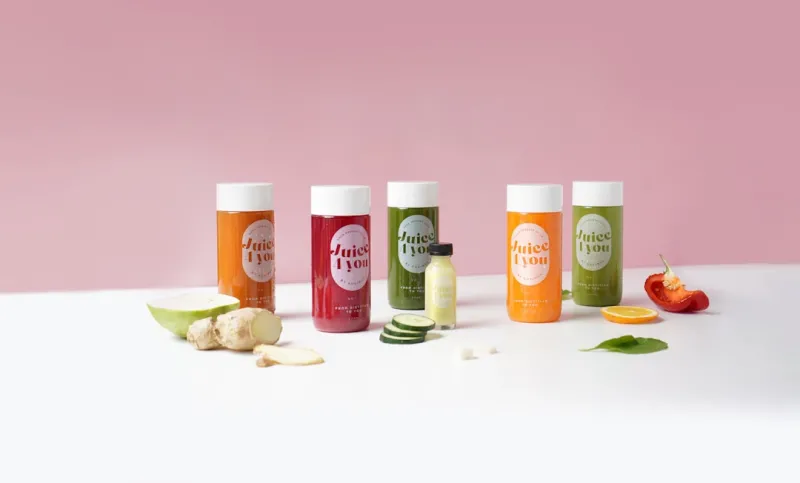
Nourish Your Body: A Fresh Take on Healthy Foods
Explore vibrant, budget‑friendly healthy food ideas—seasonal produce, plant‑based proteins, gu... Read More
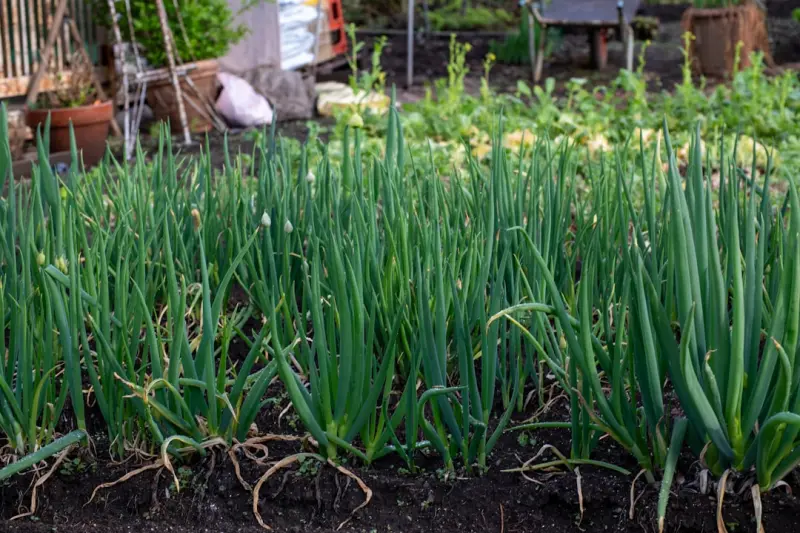
Cultivating a Kitchen Garden: How Micro‑Harvests Boost Everyday Wellness
Learn how a tiny kitchen garden can elevate your meals, enhance nutrition, and foster sustainable ha... Read More
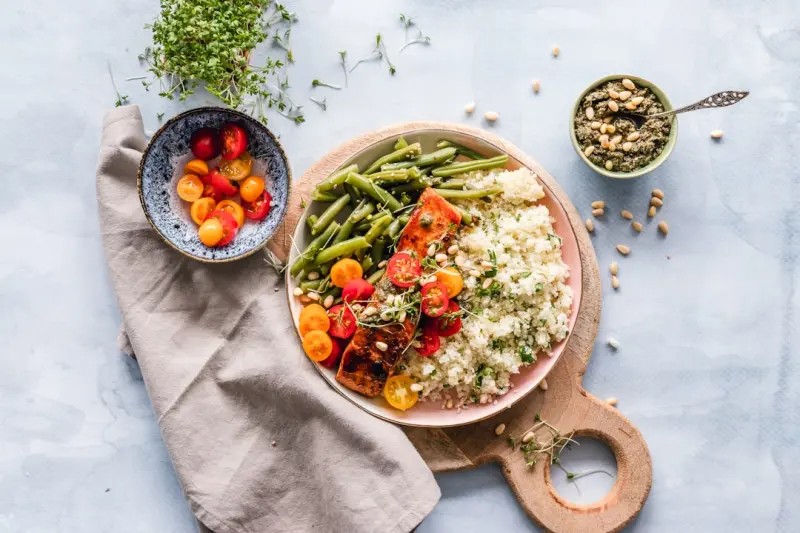
Snack Smarter: Uncovering the Power of Plant‑Based Crunch
A deep dive into plant‑based snacks that combine protein, fiber, and micronutrients with bold flav... Read More
Top Posts
Fermentation Nation: Wild Cultures Are Rewriting the Food & Drink Landscape
Fermented foods and drinks are surging in popularity, offering gut‑friendly benefits, bold flavors, and sustainable production. This article dives into the sc...Read More

How Telehealth is Redefining Access to Care in Canada's Remote Communities
Telehealth is reshaping care for Canada's remote regions, delivering specialist services, cutting travel burdens, and fostering community health resilience....Read More

Co‑Living in Canada: How Shared Spaces Are Shaping Urban Life
Co‑living is emerging as a powerful answer to Canada’s housing affordability crisis, blending cost‑saving design, shared resources, and vibrant community ...Read More

Sipping Soundscapes: How Audio Shapes Modern Food & Drink Experiences
Discover the emerging power of sound in the culinary world—how curated audio can enhance flavor, create memorable moments, and become a vital part of brand id...Read More
0 Comments
Post Comment
You will need to Login or Register to comment on this post!