
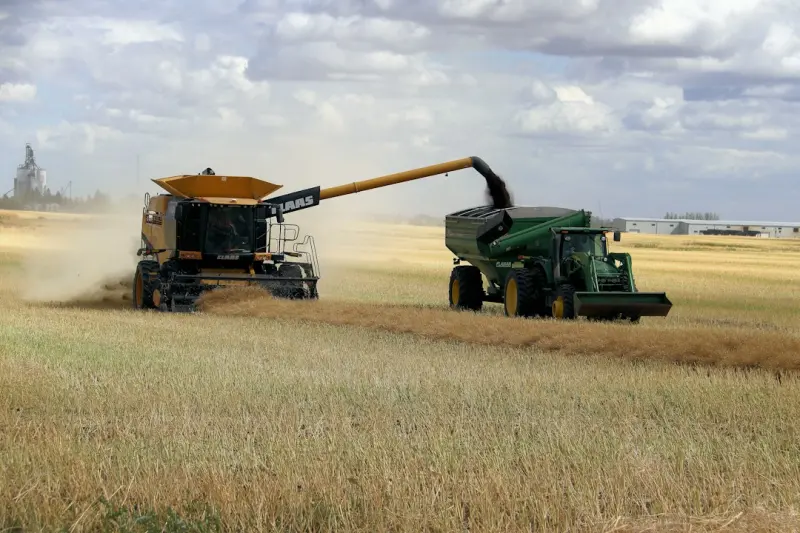
Harvesting Hope: Turning Canadian Farm Land into Renewable Energy Hubs
When I grew up on a modest dairy farm in the Okanagan, the sunrise over the rows of corn felt like a promise. Today, as I travel across the Prairies and the Maritimes, that promise has taken on a new shape—one made of panels, turbines, and a quiet confidence that the land can feed both our tables and our power grids.
In the past decade, a quiet revolution has been stirring among the nation’s growers. It isn’t about the latest data dashboards or a new app that tracks soil moisture. It’s about harnessing the sun and wind that have always been part of farm life, and converting those natural gifts into clean electricity that powers homes, schools, and even the farms themselves. This movement is not a fleeting trend; it is a strategic pivot that aligns environmental stewardship, economic stability, and the deep‑rooted desire of farmers to leave a healthier planet for the next generation.
Why Renewable Energy Makes Sense for Farmers
For many producers, the decision to install solar arrays or small‑scale wind turbines starts with a simple arithmetic: extra income plus energy independence equals a stronger balance sheet. The numbers are compelling. A typical 2‑megawatt solar farm on a 100‑acre field can generate enough electricity to offset the farm’s own consumption and sell the surplus back to the grid, often under long‑term power purchase agreements (PPAs). Meanwhile, a modest 200‑kilowatt wind turbine can provide a steady stream of power even when the sun hides behind clouds.
Beyond the dollars, there’s a profound sense of alignment with the land. Farmers have always been custodians of soil, water, and sky. By installing renewable infrastructure, they are extending that stewardship to the atmosphere, reducing reliance on fossil fuels and cutting greenhouse‑gas emissions.
From Pilot Projects to Province‑Wide Initiatives
What began as a handful of experimental projects in the early 2010s has blossomed into province‑wide initiatives. In Alberta, the Solar for Agriculture program offers grants that cover up to 50 % of installation costs for eligible farms. Saskatchewan’s Rural Wind Incentive provides low‑interest loans specifically for agribusinesses looking to diversify their revenue streams.
These programs are not just about subsidies; they also bring technical expertise. Extension officers, electrical engineers, and renewable‑energy consultants now travel the length and breadth of Canada, helping farmers navigate zoning regulations, grid interconnection standards, and financing options.
Success Stories That Light Up the Landscape
- Maple Ridge Dairy, Ontario – By installing a 1.5 MW solar canopy over its feedlot, the farm now generates enough electricity to power its milking parlors and sells the excess to the local utility, cutting its annual energy bill by 70 %.
- North Shore Organic Farm, Nova Scotia – A 300‑kilowatt wind turbine now supplies 40 % of the farm’s electricity, allowing the operation to invest more in organic certification and community‑supported agriculture (CSA) programs.
- Prairie Harvest Co‑op, Manitoba – A 5 MW solar farm, co‑owned by ten local grain growers, feeds directly into the provincial grid and has created a revenue stream that funds new seed varieties and soil‑health research.
These examples illustrate that renewable energy is not a one‑size‑fits‑all solution; each farm tailors its approach to local climate, topography, and business goals.
Integrating Energy Production with Crop Management
One of the most exciting innovations is the concept of agrivoltaics—the simultaneous use of land for both agriculture and solar power generation. By raising panels several meters above the ground, farmers can continue to grow shade‑tolerant crops like berries, lettuce, and certain grains underneath.
Studies have shown that the micro‑climate created by the panels can reduce evapotranspiration, leading to lower irrigation needs. In British Columbia’s Okanagan Valley, a pilot project grew grapes beneath a solar array and reported a 15 % increase in berry weight due to the moderated temperature.
Beyond crops, livestock can also benefit. Cattle grazing under a canopy of panels experience less heat stress during summer months, which translates to better weight gain and overall health.
Financial Mechanics: From Upfront Cost to Long‑Term Profit
While the long‑term benefits are clear, the upfront capital required for renewable installations can be daunting. Farmers are turning to a blend of financing tools:
- Power Purchase Agreements (PPAs) – A third‑party developer builds and operates the system, and the farmer agrees to purchase electricity at a fixed rate, often lower than utility rates.
- Leasing Models – Companies lease solar panels to farms, allowing owners to pay a monthly fee while reaping the energy savings.
- Government Grants and Tax Credits – Provincial and federal programs, such as the Canada Greener Homes Grant, can offset a portion of installation costs.
- Community Investment – Some farms issue green bonds or seek co‑op membership contributions to fund projects, creating a sense of shared ownership.
These structures help spread the cost over time, making renewable energy accessible even for family farms with limited cash flow.
Regulatory Landscape: Navigating the Red Tape
Integrating energy systems into agricultural land does involve navigating a complex web of regulations. Zoning bylaws, environmental assessments, and interconnection standards vary by province and municipality. However, recent policy shifts are making the path smoother. The Federal government’s focus on rural infrastructure has spurred a broader conversation about modernizing rural land‑use policies, including those governing renewable installations.
Farmers are encouraged to work closely with local planning offices early in the process and to engage with industry associations that advocate for farmer‑friendly legislation.
Beyond Energy: Ancillary Benefits for Rural Communities
Renewable projects on farms create ripple effects that go far beyond the balance sheet:
- Job Creation – Construction, operations, and maintenance of solar and wind installations generate skilled jobs in rural areas.
- Education and Outreach – Schools partner with farms to provide hands‑on learning experiences about clean energy, inspiring the next generation of agronomists and engineers.
- Improved Grid Reliability – Distributed generation reduces strain on transmission lines, enhancing overall grid stability, especially in remote communities.
Challenges and How Farmers Are Overcoming Them
Adopting renewable energy is not without hurdles. Some of the most common concerns include:
- Visual Impact – Communities may worry about the aesthetic change to the landscape. Solutions include low‑profile designs, careful siting, and community consultations.
- Wildlife Considerations – Wind turbines can pose risks to birds and bats. Modern turbine designs incorporate slower blade speeds and detection systems to mitigate impacts.
- Maintenance and Expertise – Farmers may lack technical knowledge. Partnering with experienced EPC (Engineering, Procurement, Construction) firms and leveraging local university research can bridge the gap.
By approaching these challenges proactively, Canadian growers are turning potential roadblocks into opportunities for innovation and community engagement.
The Road Ahead: Scaling Up and Sharing Knowledge
As the momentum builds, collaboration becomes essential. Networks of farmer‑energy innovators are emerging, sharing best practices through workshops, webinars, and field tours. One such initiative, the Renewable Agriculture Alliance, hosts an annual summit that brings together farmers, policymakers, and technology providers.
These gatherings echo the sentiment that the future of farming isn’t about choosing between food and power—it’s about integrating both in a way that sustains the land, the economy, and the people who call the countryside home.
Conclusion: A New Harvest on the Horizon
Canada’s agricultural heritage is rooted in resilience, adaptability, and a deep connection to the land. By embracing renewable energy, farmers are writing the next chapter of that story—one where fields glow with solar panels, windmills spin against the prairie sky, and the very act of growing food also powers communities.
It’s a narrative that feels as natural as the sunrise over a wheat field, and it’s one we’re all invited to be part of. Whether you’re a farmer considering a solar array, a policy‑maker shaping rural energy policy, or a consumer curious about where your electricity comes from, the answer is clear: the future is being harvested today, and it’s brighter than ever.
For those interested in the broader context of how technology and community intersect in Canadian agriculture, see our deep‑dive on data‑driven farming initiatives and explore the low‑carbon travel solutions that are reshaping rural mobility.

Related Posts
From Soil to Screen: Building a Direct‑to‑Consumer Brand on a Canadian Farm
A Canadian farmer shares the step‑by‑step journey of turning a traditional farm into a modern, c... Read More
Regenerative Roots: Canadian Farmers Transform Soil into Climate Solutions
Canadian farmers are turning to regenerative agriculture—cover crops, reduced tillage, and integra... Read More
From Fields to Experiences: How Canadian Farmers Are Turning Their Land into Destination Adventures
Explore the rise of agri‑tourism in Canada, where farms become immersive destinations offering han... Read More
Top Posts

Why Independent Voices Are Redefining Canada’s Parliamentary Landscape
A surge of independent MPs is challenging party dominance in Canada, bringing local concerns, Indigenous partnerships, and data‑driven initiatives to the fore...Read More

Mixing Ocean Waves with Open‑Road Stories: A Guide to Dual‑Mode Travel
Discover how to combine cruise excursions with curated bus tours, creating a richer, eco‑friendly travel experience that maximizes culture, savings, and story...Read More

The Rise of Travel‑First Co‑Living: Redefining Work, Play, and Community
Travel‑first co‑living hubs are transforming tourism by offering integrated workspaces, vibrant community programs, and sustainable design, enabling remote ...Read More
Ontario’s Hidden Waters: Modern Angling, Ancient Wisdom, and Sustainable Adventure
A fresh perspective on Ontario fishing blends ancestral knowledge, solar‑charged tools, and micro‑adventures, showing how anglers can protect and enjoy the ...Read More
0 Comments
Post Comment
You will need to Login or Register to comment on this post!