

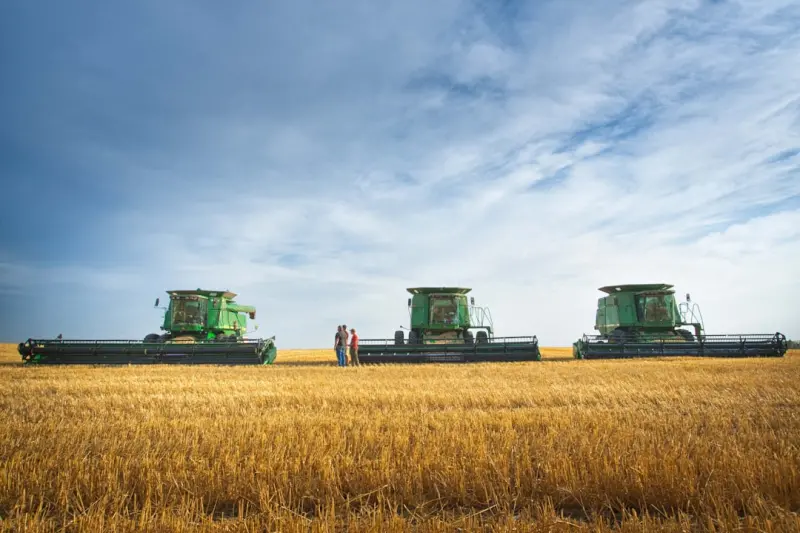
When the sunrise paints the prairie in gold, most people imagine a day of planting, pruning, and paperwork. What they often miss is the quiet, ongoing conversation happening among the rows of corn and the fences of dairy barns: a conversation about resilience, belonging, and purpose. Over the past few years, a subtle yet powerful shift has taken root on Canada’s farms—a shift that places farmer well‑being at the centre of agricultural success.
The Hidden Strain Behind the Harvest
For decades, the narrative of Canadian agriculture has celebrated hard work, rugged independence, and the ability to “push through” any challenge. While those virtues are undeniably valuable, they’ve also cultivated a culture where asking for help can feel like admitting defeat. According to recent studies, farmers experience higher rates of anxiety and depression than the national average, yet stigma and geographic isolation keep many from seeking support.
What changes this dynamic is not a single program but a tapestry of community‑driven initiatives, technology‑enabled networks, and a renewed focus on regenerative land stewardship that ties personal health to the health of the soil.
Regenerative Practices as a Path to Personal Healing
Regenerative agriculture—cover cropping, rotational grazing, and biochar integration—has been championed for its carbon‑sequestering benefits. But for many growers, the practice also offers a therapeutic rhythm. The act of restoring soil, watching a cover crop push through a winter frost, or tending a meadow of native pollinators creates a tangible sense of renewal that mirrors an inner healing process.
Farmers report that when they witness the soil coming back to life, they feel a renewed sense of agency over their own mental landscape. This feedback loop—healthy soil fostering healthy minds—has sparked the emergence of “soil‑circles,” informal gatherings where growers share planting strategies alongside stories of personal challenge and triumph.
Peer‑Led Support Networks: From Barns to Virtual Rooms
Traditional extension services excel at delivering agronomic advice, but they rarely address emotional health. In response, farmers across the prairies and the Maritimes have launched peer‑led support circles. These groups meet monthly—sometimes over a shared pot of stew, other times via a secure video chat—to discuss everything from market volatility to family dynamics.
One standout example is the Maple Farm Wellness Collective, a coalition of over 200 growers who rotate hosting duties on a rotating schedule. Their agenda blends a short educational segment—perhaps a talk on integrating legumes for nitrogen fixation—with an open floor for members to voice concerns. The collective has become a safe haven, reinforcing the idea that vulnerability is a strength, not a weakness.
Digital Platforms Bridging Isolation
Technology, when applied with empathy, can shrink the distance between remote farms. Mobile apps designed for agricultural data collection are now being repurposed as mental‑health check‑ins. For instance, the popular farm‑management tool FieldPulse introduced a “Well‑Being Dashboard” that prompts users to log mood, stress levels, and sleep quality alongside yield metrics.
This integration normalizes the practice of self‑assessment and provides aggregated, anonymized data that can flag community‑wide stress spikes—information that regional health agencies can use to deploy targeted resources.
Additionally, online forums such as new models of rural hospitality have given farmers a platform to showcase agritourism experiences, inviting city‑dwellers to step into farm life for a weekend. These exchanges not only supplement income but also foster social connection, reminding growers that they are part of a larger, appreciative audience.
Direct‑to‑Consumer Channels: Empowerment Through Market Access
Beyond emotional support, financial stability plays a crucial role in mental health. Many farms have turned to subscription‑box models, delivering fresh produce, dairy, or artisanal goods directly to consumers’ doorsteps. By cutting out middlemen, growers gain pricing transparency and a reliable cash flow, reducing the anxiety tied to market fluctuations.
These subscription services often double as storytelling vehicles. A monthly newsletter might detail the journey of a particular heirloom tomato, explain the benefits of a no‑till method, or share a farmer’s personal reflection on the season. This narrative approach builds authentic brand loyalty and reinforces the farmer’s sense of purpose.
Carbon Credits and the Psychology of Contribution
Canada’s emerging carbon‑offset market offers another avenue for both ecological and psychological benefit. Farmers who adopt regenerative practices can earn carbon credits, which are sold to corporations seeking to offset emissions. While the financial incentive is clear, many growers describe a deeper reward: the knowledge that their daily labor is actively mitigating climate change.
Participating in carbon markets transforms the abstract notion of “environmental stewardship” into a concrete, measurable contribution. This sense of tangible impact can counteract feelings of helplessness that often accompany discussions about climate crisis.
Collaborative Innovation: Learning from the Tech Sector
Even though agriculture and SaaS might seem worlds apart, there are valuable lessons to be borrowed. The concept of “employee advocacy”—where staff become brand ambassadors—has a parallel in farming through “producer advocacy.” By encouraging farmers to share their stories on social media, they not only market their products but also cultivate personal pride and community recognition.
Moreover, the agricultural sector is beginning to explore algorithm-driven food supply chains that match crop forecasts with consumer demand in real time. While still in early stages, such tools promise to reduce waste, stabilize income, and relieve the pressure of over‑production—a common source of stress for growers.
Case Study: A Prairie Farm’s Holistic Turnaround
Consider the story of Willow Creek Farm, a 300‑acre mixed‑crop operation in Saskatchewan. Two years ago, the farm’s owners faced mounting debt, a severe drought, and rising burnout. They decided to implement a three‑pronged strategy:
- Regenerative Transition: Introduced cover crops, reduced tillage, and established a rotational grazing system for their cattle.
- Community Integration: Joined a local farmer wellness circle and began hosting quarterly “farm‑open” days for families from nearby towns.
- Direct‑to‑Consumer Model: Launched a seasonal CSA (Community Supported Agriculture) subscription, paired with a storytelling newsletter.
Within eighteen months, Willow Creek reported a 20% increase in net profit, a measurable improvement in soil organic matter, and, most importantly, a marked decline in reported stress levels among the farming family. Their success illustrates how intertwining ecological practices with mental‑health awareness creates a resilient, thriving operation.
Policy Support: What Governments Can Do
While grassroots initiatives are vital, systemic support amplifies impact. Policymakers can:
- Fund mental‑health outreach programs specifically tailored to rural communities.
- Provide tax incentives for farms that adopt regenerative practices and participate in carbon markets.
- Support digital infrastructure upgrades, ensuring reliable internet access for remote mental‑health services and farm management tools.
- Facilitate partnerships between agricultural colleges and wellness organizations to develop curricula that embed mental‑health literacy into agronomy training.
These measures not only protect the well‑being of individual farmers but also safeguard Canada’s food security and environmental stewardship goals.
Looking Ahead: A Culture of Care
The future of Canadian agriculture will not be defined solely by yields or market share. It will be measured by the stories of growers who feel seen, supported, and empowered to innovate. By weaving together regenerative land management, peer support networks, technology, and direct consumer connections, farmers are crafting a holistic model where personal health and planetary health reinforce each other.
As more farms embrace this integrated approach, the quiet revolution in farmer well‑being will become louder—echoing across fields, markets, and community halls, reminding us that a thriving farm is as much about the people behind the plow as it is about the crops it produces.

Related Posts
Reaping the Future: How Canadian Farmers Turn Soil Into Digital Gold
From high‑resolution soil dashboards to solar‑powered barns, Canadian farmers are merging age‑... Read More

Cultivating Resilience: A Farmer’s Journey into Regenerative Agriculture
A first‑hand look at how one Canadian farmer is transforming acreage into a living laboratory of r... Read More

Co‑ops, Cloud, and Community: The New Playbook for Canadian Farmers
Canadian farmers are turning to cooperative ownership, shared equipment, and cloud‑based marketpla... Read More
Top Posts

Bar Pompette Mixes Its Way to the Top: Canada's 50 Best Bars Unveiled
Canada's vibrant bar scene has been officially recognized with the release of the highly anticipated "Canada's 50 Best Bars" list. This definitive ranking, comp...Read More

Navigating Tariffs: Turning Policy Shocks into Strategic Wins
Learn to transform tariff challenges into strategic opportunities through foresight, classification tricks, tech forecasting, and collaborative partnerships....Read More

Beyond Horizons: Crafting Hybrid Cruise and Bus Adventures for Modern Explorers
Explore the emerging trend of hybrid cruise and bus tours that combine oceanic grandeur with intimate road journeys, offering modular itineraries, eco‑friendl...Read More

Adaptogen Coffee: The New Office Power Drink
Adaptogen coffee blends the energizing punch of caffeine with stress‑busting herbs, offering a steady, balanced boost that supports focus, immunity, and overa...Read More
0 Comments
Post Comment
You will need to Login or Register to comment on this post!