
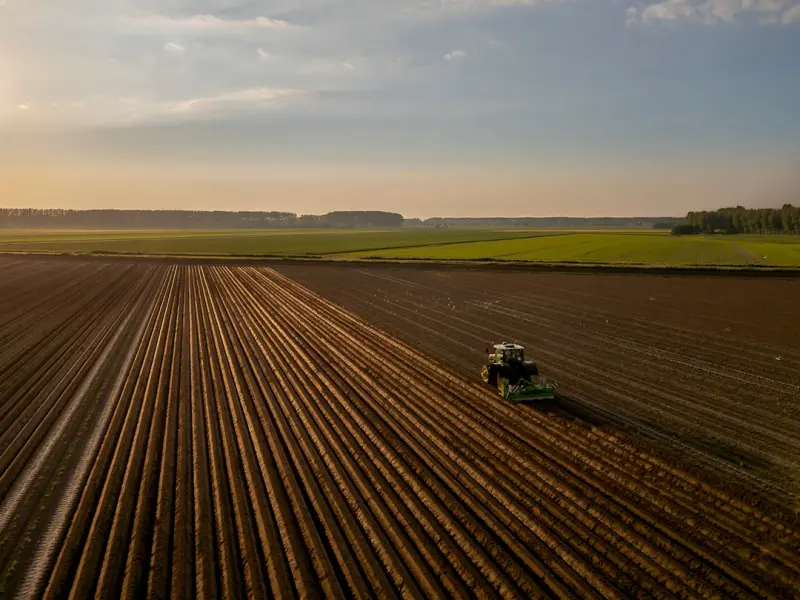
When I first rode a tractor beside a group of young growers in the Okanagan, I expected to see the same old story of weather‑watching and market fluctuations. What I heard instead was a chorus of data‑driven optimism, a community of innovators who are turning the age‑old challenges of farming into opportunities for collective ownership and resilience. Canadian farmers are no longer just the stewards of the land; they are becoming the custodians of their own digital ecosystems.
Why Data Belongs in the Barnyard
For decades, farm data lived in silos—spread across handwritten logs, isolated software packages, or the servers of large agribusinesses that purchased the information without giving back. Today, the narrative is shifting. Modern growers recognize that data about soil moisture, pest pressure, and yield trends is a strategic asset that should stay on the farm, be shared responsibly, and help power decisions that benefit the entire community.
There are three compelling reasons why data ownership matters more than ever:
- Local Insight: Weather patterns in the Prairies differ dramatically from those on the Atlantic coast. When farmers control the data, they can develop region‑specific models that are far more accurate than generic, one‑size‑fits‑all solutions.
- Economic Leverage: Accurate records of input use, harvest volumes, and market prices empower growers to negotiate better contracts and secure financing without relying on third‑party intermediaries.
- Environmental Stewardship: Transparent data sharing enables collaborative approaches to managing water resources, reducing chemical runoff, and protecting biodiversity across neighboring farms.
These drivers are converging into a new movement: farmer‑led data cooperatives.
Co‑ops as Data Trusts
Imagine a cooperative where every member contributes their field metrics to a shared repository, and in return receives access to advanced analytics, predictive tools, and market intelligence. This is the essence of a data trust—an organization that holds information on behalf of its members, enforces strict privacy rules, and distributes the benefits of data‑driven insights back to the community.
Several provinces are already piloting such models. In Nova Scotia, a group of dairy producers pooled their milking records into a single platform, unlocking predictive maintenance schedules for milking equipment that cut downtime by 15 %. In the interior of British Columbia, mixed‑crop farms are using a shared satellite‑imagery service to identify early signs of fungal disease, reducing fungicide applications and saving thousands of dollars.
Key elements that make these trusts successful include:
- Governance: Clear, democratic rules that define who can access what data and under which circumstances.
- Technology Stack: Open‑source tools that can be audited, ensuring no hidden data extraction.
- Revenue Sharing: When third‑party services—such as weather forecasting firms—pay for aggregated data, the proceeds flow back to the cooperative’s members.
By taking ownership of their digital footprints, farmers are building a safety net that cushions them against market volatility and climate uncertainty.
The New Generation of Farm‑Focused Platforms
While cooperatives provide the governance framework, a wave of SaaS platforms is delivering the practical tools that make data sharing painless. These services are purpose‑built for the agricultural sector, offering dashboards that blend satellite imagery, IoT sensor feeds, and market data into a single, farm‑level view.
One platform I’ve been watching closely integrates food waste solutions with crop planning, allowing growers to sell surplus produce directly to nearby processors, reducing spoilage and opening new revenue streams. Another service provides smart pricing tools that dynamically adjust wholesale prices based on real‑time demand signals, ensuring farmers capture the full value of premium harvests.
What sets these platforms apart from generic agritech tools is their emphasis on interoperability. They are built to plug into existing farm management software, allowing growers to keep their preferred tools while gaining the benefits of a collective intelligence network.
Stories From the Fields
To illustrate how these concepts play out on the ground, I spent a week shadowing three distinct operations:
1. The Hemp Collective of Southern Ontario
Facing uncertain market demand for hemp, a group of 12 growers formed a data cooperative that tracks planting dates, varietal performance, and processing yields. By pooling this information, they identified a niche variety that thrives in cooler soils and commands a premium price in the textile industry. The cooperative’s shared analytics also helped them stagger harvests, smoothing out labor needs and reducing peak‑season stress.
2. A Family‑Run Grain Farm in Saskatchewan
This farm invested in low‑cost soil moisture sensors and contributed the data to a regional trust. The aggregated dataset revealed a micro‑climate pattern that allowed neighboring farms to adjust irrigation schedules collectively, cutting water use by 20 % across the trust’s members. The trust negotiated a bulk‑discount contract with a water‑management vendor, passing savings directly to the farmers.
3. A Mixed‑Livestock Operation in New Brunswick
By joining a cooperative that shares veterinary health records (with strict privacy controls), this farm gained early warnings about a regional outbreak of a respiratory disease. The cooperative’s alert system, powered by machine‑learning models trained on shared data, gave the farmer a three‑day heads‑up, allowing for proactive vaccination and preventing a costly loss of herd productivity.
These stories demonstrate that data trusts are not just theoretical constructs; they are already delivering measurable benefits in yield, cost reduction, and risk mitigation.
What’s Next for Canadian Agriculture?
The momentum behind farmer‑led data ecosystems is accelerating, and several trends are poised to shape the next chapter:
- Blockchain for Provenance: Secure, immutable ledgers can verify the origin of produce, enhancing traceability for export markets that demand transparency.
- Renewable Energy Integration: Farms are installing solar arrays and wind turbines, feeding excess power back into the grid and using data dashboards to optimize production against energy prices.
- Indigenous Knowledge Fusion: Collaborative projects are weaving traditional land‑care practices with modern analytics, creating hybrid models that respect cultural heritage while boosting productivity.
- Policy Support: Federal and provincial programs are beginning to fund cooperative data initiatives, recognizing their role in strengthening food security and rural economies.
For growers who have long been the backbone of Canada’s food system, this shift represents a powerful new lever. By reclaiming control over their data, Canadian farmers are not only improving their bottom lines—they’re building a resilient, community‑first future that can weather the storms of climate change, market fluctuations, and technological disruption.
As the dust settles on the latest harvest, the fields are already buzzing with the next wave of ideas. The question isn’t whether data will change farming; it’s how quickly the community can harness that change for the benefit of all.

Related Posts
The Unseen Struggles of Canadian Farmers
Canadian farmers face unseen struggles due to economic uncertainty, tariffs, and global trends. Lear... Read More
Cultivating Resilience: How Canadian Farmers Are Rewriting Rural Well‑Being
Canadian farmers are redefining resilience by addressing mental health, forming cooperative networks... Read More
Fields of Resilience: A Canadian Farmer’s Perspective on Change and Hope
Rose DesRochers shares her heartfelt, insider perspective on the trials and triumphs of Canadian far... Read More
Top Posts

Tariff Shockwaves: Building SaaS Resilience in a Fragmented World
Tariffs are no longer just a hardware cost—they’re a strategic variable reshaping SaaS. This post outlines how multi‑cloud, edge computing, and transparen...Read More
From Snowy Roads to Skies: How Drones Are Redefining Prescription Access in Canada
A deep dive into how regulated cargo drones are overcoming Canada’s geographic challenges to deliver prescriptions faster, cheaper, and more reliably, reshapi...Read More

Ontario River Fly Fishing: Hidden Currents, Big Rewards
Dive into Ontario’s secret river spots, learn sustainable catch‑and‑release techniques, and gear up for unforgettable fly‑fishing adventures across the ...Read More
Powering the Prairie: How Canadian Farmers Are Turning to Renewable Energy
Canadian farmers are embracing solar panels, wind turbines, and biogas digesters to transform energy costs into revenue, creating resilient, sustainable operati...Read More
0 Comments
Post Comment
You will need to Login or Register to comment on this post!