
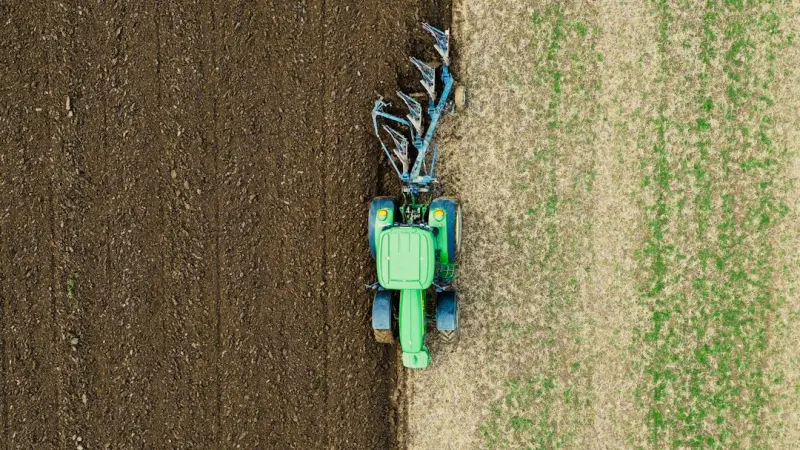
When I first stepped onto my grandfather’s wheat field in the rolling plains of Saskatchewan, the air was thick with the scent of earth and ambition. It wasn’t just the promise of a good harvest that lingered; it was the stories whispered by wind‑blown stalks, the laughter of my cousins as we chased fireflies after sunset, and the quiet determination etched into every furrow. Today, that same sense of narrative is reshaping how Canadian farmers connect with markets, communities, and the next generation of growers.
From Soil to Story: Why Narrative Matters on the Farm
For decades, agriculture has been framed as a numbers game—yield per acre, input costs, market prices. While those metrics remain crucial, there’s an emerging recognition that storytelling can be the differentiator that turns a commodity into a brand. A farm that can articulate its heritage, its stewardship of the land, and its vision for the future invites consumers to become part of that journey, not just purchasers of a product.
The Roots of Farm Narrative in Canadian Culture
Canada’s agricultural tapestry is woven with diverse threads: Indigenous stewardship, family‑run operations passed down through generations, and newcomers bringing fresh perspectives. Each of these strands carries a unique narrative. When a First Nations farmer shares the centuries‑old practices of controlled burns that enrich the prairie, or when a Ukrainian‑Canadian family recounts their post‑war settlement and how they revived a once‑barren plot, the story becomes a bridge between past and present, fostering empathy and loyalty among consumers.
Crafting Authentic Voices: Lessons from the Field
Authenticity is non‑negotiable. Audiences can sniff out contrived marketing in seconds. To cultivate genuine storytelling, farmers should start by:
- Documenting daily life: Simple photos of sunrise over the barn, short video clips of seed planting, or a handwritten note about a weather challenge.
- Highlighting people: Featuring the hands that tend the fields—farmhands, family members, and even the dogs that herd.
- Sharing challenges and triumphs: Transparency about pests, market fluctuations, or climate impacts builds trust.
Digital Platforms as Storytelling Amplifiers
The rise of social media, short‑form video, and niche blogging platforms has given farmers a megaphone that reaches far beyond the county line. A well‑crafted Instagram carousel showing the life cycle of a canola crop, paired with a caption that explains the farmer’s decision to adopt cover cropping, can spark conversations that ripple across provinces. Even more powerful is the integration of these stories into e‑commerce platforms, where a consumer can click “Meet the Farmer” and be taken on a virtual tour of the farm’s history.
Case Study: A Prairie Family’s Brand Evolution
Take the MacLeod family of Manitoba, who transitioned from selling grain through a cooperative to launching a direct‑to‑consumer grain‑to‑bread subscription service. By weaving their family’s migration story—from the dusty roads of the Scottish Highlands to the vast Canadian prairies—into their brand messaging, they saw a 35% increase in subscription sign‑ups within six months. Their narrative wasn’t just about product quality; it was about legacy, resilience, and the promise of sustaining that legacy for their children.
Connecting with Local Communities
Storytelling isn’t confined to the digital sphere. Community events—farm‑to‑table dinners, open‑farm days, and local school tours—allow farmers to share their narrative face‑to‑face. These gatherings reinforce the idea that the food on a diner’s plate is rooted in the hands that cultivated it, fostering a sense of regional pride. For inspiration on leveraging local ties, explore how Canada’s small towns are becoming the new heartbeat of community living.
Women and Youth: Expanding the Narrative Canvas
Historically, farm stories have been dominated by male voices, but the landscape is shifting. Women and younger farmers bring fresh perspectives on sustainability, technology, and social impact. Their stories often emphasize collaborative stewardship and innovative practices, resonating with urban consumers seeking ethical and inclusive brands. Highlighting these voices not only diversifies the narrative but also attracts a broader, more engaged audience.
Storytelling as a Tool for Climate Resilience
Climate change is no longer a distant threat; it’s a daily reality for Canadian growers. By integrating climate narratives—detailing how a farm is transitioning to regenerative practices, reducing carbon footprints, or experimenting with drought‑tolerant varieties—farmers can position themselves as leaders in environmental stewardship. Such transparency appeals to eco‑conscious consumers and can open doors to sustainability‑focused grants and partnerships.
Technology Meets Narrative: Beyond Data
While data-driven tools are invaluable for optimizing yields (as highlighted in How Canadian Farmers Are Turning Data Into Soil Superpowers), they can also enrich storytelling. For instance, a farmer can share an interactive map showing real‑time soil health metrics alongside a narrative about the farm’s commitment to regenerative agriculture. This blend of quantitative insight and qualitative story creates a compelling, multidimensional brand experience.
Monetizing the Narrative: From Story to Revenue
Effective storytelling can translate directly into revenue streams. Options include:
- Subscription boxes: Curated bundles of produce paired with farm stories and recipes.
- Experience packages: Farm stays, harvest festivals, or workshops on traditional farming techniques.
- Licensing narratives: Allowing food brands to use a farm’s story in their marketing, creating royalty income.
Each model leverages the emotional connection forged through narrative, turning goodwill into measurable financial outcomes.
Measuring Narrative Impact
While storytelling is inherently qualitative, its impact can be quantified through metrics such as:
- Engagement rates on social media (likes, comments, shares).
- Conversion rates from story‑centric landing pages.
- Customer retention and repeat purchase rates for subscription services.
- Media mentions and earned coverage.
By tracking these indicators, farmers can refine their narrative strategies, ensuring that stories continue to resonate and drive growth.
Future Horizons: The Farm as a Cultural Hub
Imagine a future where farms are not just production sites but cultural epicenters—hosting art installations, music festivals, and educational programs. By positioning the farm as a venue for community enrichment, growers can deepen their narrative roots, fostering a sense of place that transcends agriculture. This vision aligns with broader trends in experiential consumption, where people seek meaning and connection in every purchase.
In the end, the soil may feed the body, but stories feed the soul. As Canadian farmers continue to adapt to a rapidly changing world, embracing narrative will be as essential as any new technology or practice. By sharing the heartbeats behind the harvest, we invite consumers, partners, and future farmers to walk alongside us on the journey—one story at a time.

Related Posts
Powering the Fields: How On‑Farm Renewable Energy is Transforming Canadian Agriculture
Canadian farmers are harnessing solar panels, wind turbines, and biogas systems to lower expenses, l... Read More
The Unseen Struggles of Canadian Farmers
Canadian farmers are the backbone of this country, but they face many unseen struggles. Learn more a... Read More
Harvesting Insight: How Canadian Farmers Are Building Data Cooperatives
Canadian farmers are forming data cooperatives that keep information on the farm, foster collaborati... Read More
Top Posts

National Hackathons Powering Climate Innovation
A new wave of nationwide hackathons is uniting tech talent, policymakers, and local communities to create climate‑focused solutions that are practical, scalab...Read More

Municipal Climate Coalitions: The New Power Brokers Shaping Canada’s Federal Policy
Canada’s cities are forming climate coalitions that are reshaping national politics, forcing parties to negotiate with a new class of sub‑national influence...Read More

From Soil to Ledger: How Blockchain is Rewriting the Canadian Farm Story
Blockchain is emerging as a practical tool for Canadian farmers, offering immutable traceability, premium pricing, and new revenue streams such as carbon credit...Read More

From Stage to Street: How Canada’s Live Storytelling is Redefining Entertainment
Canadian audiences are flocking to pop‑up storytelling events, where local voices, indie theater, and immersive narratives create a fresh, community‑driven ...Read More
0 Comments
Post Comment
You will need to Login or Register to comment on this post!