
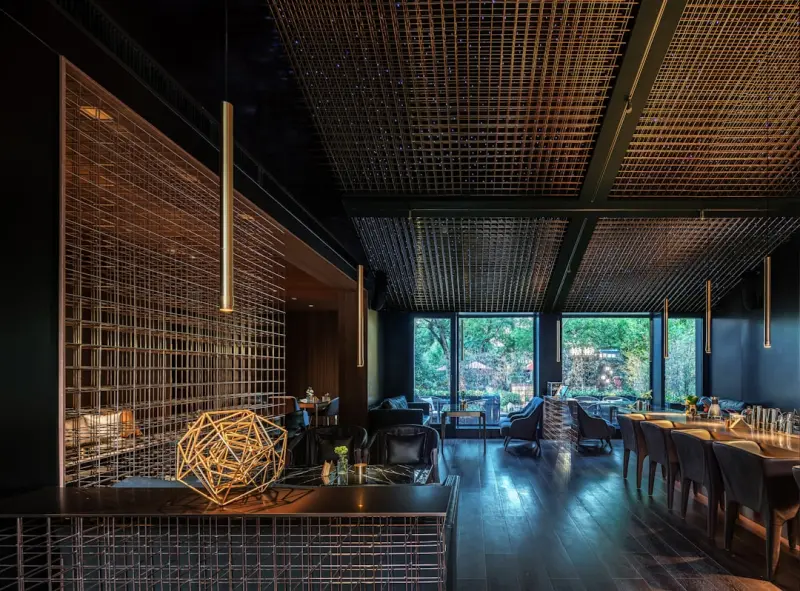
When I first stepped into a restaurant that felt more like a library than a bustling kitchen, I knew something was shifting. The clatter of plates and the hum of conversation were dialed down, replaced by a gentle hush that let flavors breathe and patrons truly listen—to each other, to the food, to the space. This isn’t a fleeting gimmick; it’s a quiet revolution that’s reshaping how we think about dining, loyalty, and community.
The Whisper That Turns Tables Into Sanctuaries
Restaurants have long chased the bright, loud energy of open‑kitchen theater and Instagram‑ready décor. While those concepts have merit, they also drown out subtler experiences that modern diners crave: moments of calm, focus, and connection. A quiet corner—whether it’s a secluded booth, a softly lit alcove, or a sound‑absorbing pod—offers a refuge from the external noise of daily life. It invites guests to slow down, savor each bite, and engage more deeply with the people sharing the table.
In my own research, I’ve found that when diners feel heard—both literally and metaphorically—they’re more likely to become repeat customers. The science backs this up: lower ambient noise levels reduce cortisol spikes, enhance taste perception, and even lengthen the perceived duration of a meal, making guests feel they’ve gotten more value. This isn’t just about dimming lights; it’s about engineering an environment where the primary focus returns to the food and the conversation.
Designing for Silence Without Stifling Life
Creating a quiet dining experience isn’t about building a monastery; it’s about strategic design. Acoustic panels disguised as art, soft‑close doors, and curated music playlists all contribute. But the most powerful tool is flexible spatial planning. Restaurants can incorporate modular partitions that can be re‑configured based on demand, allowing a bustling brunch crowd to coexist with a post‑work, low‑key dinner crowd without the two experiences colliding.
Take the example of a downtown bistro that introduced “sound bubbles”—small, semi‑transparent pods equipped with acoustic insulation and a single table. Guests could reserve these pods for private conversations, virtual meetings, or simply a moment of personal reflection. The result? A 20% increase in average check size, as diners were willing to spend more on the premium privacy experience.
Menu Strategy Meets Quiet Ambiance
The menu should echo the tranquility of the space. This means moving away from overly complex, multitextured dishes that demand frantic chewing and instead focusing on dishes that unfold in layers—allowing diners to explore flavors at a measured pace. Think of a slow‑roasted beet salad that transitions from earthy sweetness to subtle acidity, or a sous‑vide salmon that remains buttery and tender, inviting diners to savor each mouthful.
Seasonal ingredients become even more impactful in a quiet setting. When the environment encourages mindfulness, the provenance of each component shines brighter. Incorporating local, seasonal produce not only supports community farms but also aligns with a growing consumer desire for transparency. For a deeper dive on seasonal ingredients, check out Seasonal Superfood Swaps, which offers practical tips for swapping out everyday staples with nutrient‑dense, locally sourced alternatives.
Technology That Enhances, Not Distracts
While the ambiance leans toward minimalism, technology can subtly amplify the quiet experience. Table‑side ordering tablets can replace noisy call‑waiters, and they can be set to a “silent mode” that only lights up when a guest taps. Real‑time occupancy sensors help staff manage flow without shouting across the floor. Even lighting controls that adjust hue and intensity based on the time of day can guide the mood without a word.
Importantly, technology should stay behind the scenes. The goal is to reduce friction, not add a new layer of stimulus. For restaurants experimenting with innovative beverage programs, the concept of repurposing bar leftovers into signature drinks showcases how creativity can thrive without noise. Learn more about this approach in Zero‑Waste Mixology.
Staff Training: The Quiet Ambassador
Even the most thoughtfully designed space can fall flat if the staff doesn’t embody the quiet ethos. Training programs should emphasize tone, timing, and attentiveness. Servers can adopt a “listen first” approach: observe body language, ask open‑ended questions, and gauge when a guest wants interaction versus when they prefer solitude.
One bistro I consulted with introduced a “quiet cue” system—a discreet, color‑coded napkin placed on the table. Green meant “feel free to chat,” while blue indicated “enjoy the silence.” This subtle signal empowered both guests and staff to align expectations without a single spoken word, leading to higher satisfaction scores and a noticeable drop in table turnover errors.
Marketing the Quiet Revolution
Promoting a quiet dining experience requires a nuanced narrative. Instead of shouting about “loud flavors” or “party vibes,” focus on storytelling that highlights serenity, mindfulness, and connection. Social media content can showcase slow‑motion videos of a dish being plated, the gentle clink of a glass, or a customer’s reflective smile. Blog posts that delve into the science of sound and taste, or that share behind‑the‑scenes looks at acoustic design, can position the restaurant as a thought leader.
Incorporate user‑generated content by encouraging guests to share their quiet moments using a branded hashtag. Curate these stories on the website and in newsletters, turning patrons into ambassadors of the tranquil experience.
Measuring Success Beyond the Check
Traditional metrics like table turnover and average check size still matter, but they should be complemented with qualitative data: guest sentiment, repeat visit frequency, and even biometric feedback if feasible. Some forward‑thinking establishments have partnered with wellness tech firms to offer optional wristband sensors that track heart rate variability during the meal, providing insight into how the environment influences relaxation.
Another effective metric is the “quiet score”—a simple post‑dining survey asking guests to rate the ambiance on a scale from “too loud” to “perfectly serene.” Over time, trends can reveal whether design tweaks are enhancing the experience or if adjustments are needed.
Future Trends: From Quiet Corners to Quiet Communities
The quiet dining movement is poised to intersect with broader community initiatives. Imagine a restaurant that doubles as a daytime co‑working hub, where the same acoustic design that supports a serene lunch also provides a productive environment for remote workers. In the evening, the space transforms into a low‑key dinner venue, maintaining the same soothing atmosphere.
Such hybrid models not only maximize space utilization but also foster a sense of belonging—customers feel they’re part of a larger, quieter community rather than just patrons of a transient eatery.
In closing, the rise of quiet corners signals a shift in what diners value: depth over distraction, connection over chaos. For restaurateurs willing to invest in thoughtful design, curated menus, subtle technology, and staff empowerment, the payoff is a loyal clientele that returns not just for the food, but for the sanctuary that the restaurant provides.

Related Posts
From Scraps to Signature Dishes: Restaurants Harness Circular Economy
Discover how forward‑thinking restaurants are turning kitchen scraps into innovative dishes, savin... Read More
Dynamic Pricing: Turning Restaurant Menus Into Real‑Time Revenue Engines
Dynamic pricing lets restaurants adjust menu prices based on demand, weather, and inventory, unlocki... Read More

Ghost Kitchens: The Secret Sauce for Modern Brands
Ghost kitchens have evolved from cost‑saving hacks into brand incubators, offering restaurants dat... Read More
Top Posts

Maple‑Minded: How Canada’s Indie Entertainment Scene Is Rewriting the Playbook
Canada’s indie entertainment scene is booming, driven by grassroots distribution, collaborative financing, and innovative tech. From pop‑up cinemas to bilin...Read More

The Unseen Struggles of Rural Mental Health in Canada
The unseen struggles of rural mental health in Canada are a critical issue that requires our attention and action. Learn more about the challenges facing rural ...Read More

Indigenous‑Led Health Initiatives: Reclaiming Wellness Across Canada
Discover the rise of Indigenous‑led health centres, their holistic blend of tradition and technology, and how they’re redefining Canada’s healthcare lands...Read More

Cozy in the Cold: How Canadian Neighborhoods Are Turning Winter Into a Social Asset
Canadians are reshaping winter by creating pop‑up social hubs, community‑owned geothermal systems, and skill‑swap workshops, turning the cold season into ...Read More
0 Comments
Post Comment
You will need to Login or Register to comment on this post!