
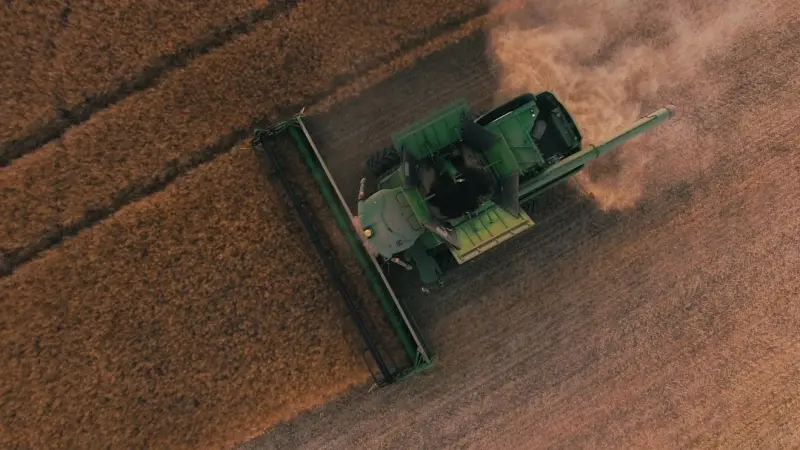
Powering the Prairie: How Canadian Farmers Are Turning Their Land into Renewable Energy Hubs
When I first stepped onto my family’s wheat field at dawn, the only hum I expected was the gentle whir of a tractor. Today, the same horizon is punctuated by the steady, low‑frequency sigh of turbines and the glint of solar panels tracking the sun. As a third‑generation farmer who’s watched the industry wrestle with climate volatility, market pressure, and a shifting labour pool, I’ve come to see renewable energy not as a side‑project but as the next logical extension of stewardship.
In this post I’ll walk you through the why, how, and what‑next of the renewable surge on Canadian farms, weaving in real‑world examples, practical steps, and a dash of the optimism that keeps us plowing forward.
Why Renewable Energy Is No Longer a “Nice‑to‑Have” for Farmers
1. Climate resilience. The last decade has reminded us that weather patterns are anything but predictable. Droughts, early thaws, and extreme storms can wipe out yields in a single season. By generating clean power on‑site, farms reduce dependence on a grid that may be compromised by the very same climate events.
2. Economic diversification. Farming income is notoriously cyclical. A wind turbine or a solar array creates a steady cash stream—sometimes 20‑30 % of a farm’s total revenue—regardless of whether the corn is ready for harvest. That extra income can fund equipment upgrades, seed research, or even a new line of value‑added products.
3. Community leadership. Rural electrification has long been a government priority, but few understand the symbolic power when a neighbour sees a farmer’s wind turbine turning. It sends a clear message: sustainable practices are viable, profitable, and within reach for everyone.
The Canadian Landscape: A Natural Fit for Green Power
Canada boasts a staggering renewable resource portfolio:
- Wind: The Prairies—Alberta, Saskatchewan, Manitoba—host some of the country’s strongest, most consistent wind corridors.
- Solar: While we’re not the sunniest nation, the long summer days across the western provinces translate into high solar capacity factors, especially when panels are tilted correctly.
- Biomass: Crop residues, manure, and even wood chips from agro‑forestry can be turned into reliable heat and electricity.
These natural endowments mean that many farms can adopt a hybrid approach—wind, solar, and biomass—maximising output year‑round.
Getting Started: A Step‑by‑Step Blueprint
1. Assess Your Energy Profile
Begin with a simple audit: How much electricity does the farm consume? Which operations—irrigation pumps, grain dryers, livestock ventilation—are the biggest draws? Mapping this out helps you determine the size and type of renewable system you need.
2. Explore Funding and Incentives
Federal and provincial programs are more generous than many realise. The Digital Democracy in Canada: How Tech Is Redefining Governance piece highlighted how tech‑focused policy frameworks are unlocking new grant streams. Look for:
- Canada‑Wide Renewable Energy Incentive (CREI) – up to 30 % of capital costs.
- Provincial agrivoltaics pilots – especially in Ontario and British Columbia.
- Carbon‑offset market participation – selling excess clean energy credits.
3. Choose the Right Technology Partner
Not all vendors are created equal. Seek firms with proven experience on agricultural sites. They should understand farm cycles, equipment clearance, and the need for low‑maintenance solutions. A good partner will also help you navigate permitting—an often‑overlooked hurdle in rural municipalities.
4. Pilot, Then Scale
Start small—perhaps a 50‑kW solar array powering the farm office and a couple of water pumps. Monitor performance for a season, then decide whether to add more panels, install a turbine, or integrate a biogas digester. Scaling gradually reduces risk and gives you data to fine‑tune the system.
5. Integrate Smart Controls
Modern farms are already data‑rich. Leveraging IoT sensors and a farm management platform can optimise when turbines spin up or when batteries discharge. The same tech that powers personal health coaching can be repurposed to balance energy loads, ensuring you never over‑draw the grid or waste sunshine.
Case Studies: Canadian Farmers Who’ve Turned Turbines into Triumphs
Prairie Winds, Alberta
Mike and Jenna Leclerc own a 2,500‑acre mixed grain and cattle operation near Lethbridge. In 2019 they installed a 1.5‑MW wind turbine with a power purchase agreement (PPA) that sells surplus electricity back to the local utility. The result? A 28 % reduction in operating costs and a new revenue line that helped fund a state‑of‑the‑art milking parlor.
Solar‑Stitched Fields, Ontario
On a 300‑acre vegetable farm in the Niagara region, farmer‑entrepreneur Lila Patel partnered with a solar developer to overlay 200 acres of low‑lying fields with agrivoltaic panels. The shade from the panels reduced soil evaporation, boosting lettuce yields by 12 %. Meanwhile, the farm generated enough electricity to power its refrigeration units and sell excess power to nearby towns.
Biomass Boost, Quebec
In the Charlevoix region, dairy farmer François Bouchard built a small‑scale anaerobic digester that processes manure and crop residues into biogas. The biogas fuels a combined heat and power (CHP) unit, providing hot water for the milking parlour and electricity for the farm’s milking robots. The system cuts methane emissions by an estimated 1,400 tonnes per year.
Beyond the Farmgate: Community Benefits and the Bigger Picture
Renewable projects on farms often ripple outward:
- Local jobs: Construction, maintenance, and monitoring create employment opportunities in otherwise sparsely populated areas.
- Grid stability: Distributed generation eases the load on transmission lines, reducing outage risk for surrounding towns.
- Educational outreach: Schools can arrange field trips to see real‑world renewable installations, inspiring the next generation of agritech innovators.
In many ways, the farm becomes a living laboratory—an open‑source platform where sustainability meets profitability.
Challenges to Watch (And How to Overcome Them)
Regulatory Red Tape
While incentives exist, navigating zoning bylaws and environmental assessments can be daunting. Build relationships with local councilors early, and consider hiring a consultant who specialises in agricultural energy projects.
Capital Intensity
Initial outlays remain significant. Leveraging a mix of grants, low‑interest loans, and PPA contracts can spread costs. Some farmers also explore community‑owned models, selling shares of the turbine to neighbours to lower individual exposure.
Maintenance & Expertise
Even “set‑and‑forget” technologies need periodic checks. Partner with vendors that offer comprehensive service packages, and train a few staff members on basic troubleshooting. Remember: a well‑maintained turbine can run for 25‑30 years with minimal downtime.
The Future: From Renewable Energy to a Fully Integrated Agro‑Eco System
Looking ahead, the integration of energy, data, and biology will redefine what a farm looks like. Imagine a scenario where:
- Solar panels double as shade structures for livestock, improving animal welfare.
- Wind turbines feed excess power into battery farms that store energy for winter heating.
- Biomass digesters capture carbon, creating premium “carbon‑neutral” dairy products that command higher market prices.
These aren’t sci‑fi fantasies; they’re already being piloted in research stations across the country. As we adopt these systems, we’ll see a new era where farms are not just food producers but holistic energy hubs, data centres, and climate stabilisers.
Takeaway: Your Land, Your Power, Your Legacy
Renewable energy on Canadian farms isn’t a trend—it’s a transformation. By harnessing wind, sun, and organic waste, we can protect our soils, boost our bottom lines, and set a sustainable example for generations to come. If you’ve been on the fence, start with a small solar array, talk to your neighbours, and let the first kilowatt of clean power illuminate the path forward.
Remember, the land has always provided; now it’s also giving back in the form of clean energy. The question isn’t “if” we adopt renewables, but “how soon” we make that shift a core part of our farming identity.

Related Posts
Cultivating Change: A Canadian Farmer’s Journey into Regenerative Agriculture
A first‑hand account of how a Canadian farmer transforms his land with regenerative practices, boo... Read More
The Unseen Struggles of Canadian Farmers
Canadian farmers are the backbone of this country, but they face many unseen struggles. Learn more a... Read More

Data‑Driven Farming: How Canadian Growers Are Turning Sensors Into Savings
Canadian farmers are blending tradition with technology, using soil sensors, satellite imagery, and ... Read More
Top Posts
How Canadian Farmers Are Turning Data Into a New Harvest
Canadian farmers are blending satellite imagery, AI tools, and cooperative networks to make smarter, more sustainable decisions—creating a data‑driven harve...Read More

Chasing the Stars: A Traveler’s Guide to Dark‑Sky Adventures
Explore the rise of dark‑sky tourism with a fresh travel guide that blends route planning, eco‑lodging, indigenous stories, and starlit cuisine for unforget...Read More

Conversational Commerce: Turning Every B2B Interaction Into a Revenue Engine
A deep dive into conversational commerce for B2B marketers, covering design principles, metrics, integration tactics, and a quick six‑week rollout plan to tra...Read More

How Telehealth is Transforming Rural Communities in Canada
Telehealth is bridging the gap for Canada’s remote communities, delivering specialist care, cost savings, and personalized health solutions right to the doors...Read More
0 Comments
Post Comment
You will need to Login or Register to comment on this post!