
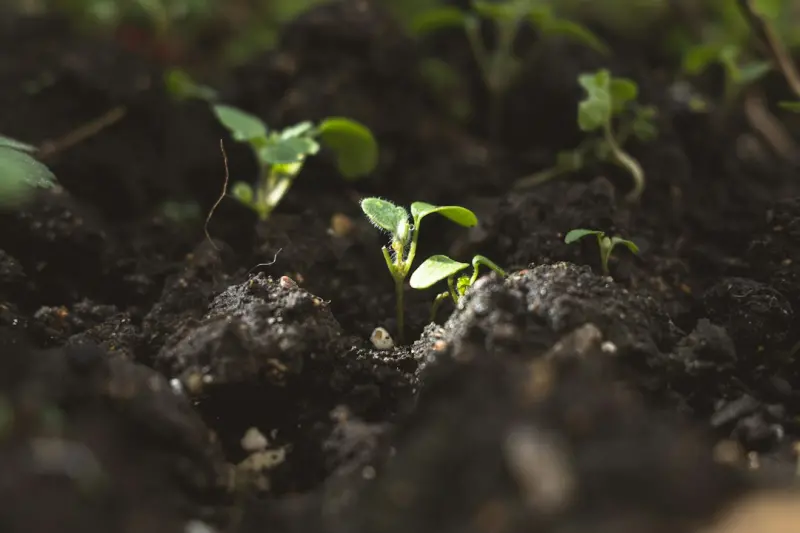
Turning Soil into Strategy: Data‑Driven Farming on the Canadian Prairies
When I first stepped onto my grandfather’s wheat fields as a teenager, the only “data” I knew were the weathered almanac pages and the feel of the earth under my boots. Fast forward a few decades, and the same rows of golden grain are now dotted with low‑cost sensors, open‑source dashboards, and a community of growers who speak fluent code as fluently as they speak the language of the land. This is not a tech‑gimmick fad; it’s a pragmatic evolution that lets Canadian farmers make smarter decisions, protect our ecosystems, and stay financially resilient in an increasingly volatile market.
In the past, farm‑level decisions were made on intuition honed by years of experience, occasional extension‑service bulletins, and the occasional tip from the neighbour. While that wisdom is invaluable, the climate is changing faster than any oral tradition can keep pace with. Erratic weather patterns, shifting pest pressures, and fluctuating commodity prices mean that a single mis‑step can cascade into a costly loss. The answer? Real‑time, granular data that tells you exactly what your soil needs—right now, not six weeks from the last forecast.
From Grain Silos to Data Silos: The Technology Landscape
The hardware side of the equation has become remarkably affordable. A network of soil moisture probes, temperature loggers, and nutrient analyzers can now be installed for under a thousand dollars per hectare. Most of these devices communicate via LoRaWAN or cellular modules, sending readings to a cloud platform where they are aggregated, visualized, and—crucially—interpreted. What used to be a handful of spreadsheets is now an interactive map that highlights micro‑variations across a single field, allowing you to apply water, fertilizer, or cover crops with surgical precision.
But hardware is only half the story. The software layer is where the magic happens. Open‑source tools like FarmOS and OpenAg let growers customize dashboards without a subscription fee. Community‑driven plugins pull in satellite imagery, weather forecasts, and even market price feeds, creating a holistic view of the farm’s health. This democratization of technology mirrors the warning from When the Playground Goes Digital—you need to be aware of the data you’re collecting, who has access, and how you protect it. In the agricultural context, that means setting clear data ownership policies and using encryption where possible.
Why Soil Health Matters More Than Ever
Healthy soil is the foundation of any productive farm, but it also plays a critical role in carbon sequestration, water filtration, and biodiversity. By monitoring organic matter, pH, and microbial activity, farmers can adopt practices that enhance these ecosystem services while simultaneously improving yields. For example, a modest increase in soil carbon—just 0.5%—can boost wheat productivity by up to 10% and generate tradable carbon credits. The data from sensor networks make it possible to verify those gains with scientific rigor, turning what used to be a vague “feel‑good” claim into a marketable asset.
In the prairie provinces, where vast monocultures dominate the landscape, the stakes are especially high. Rotational grazing, cover cropping, and reduced tillage are proven practices, but their adoption has been uneven. With precise data, farmers can tailor these practices to the specific needs of each plot, reducing input waste and increasing the profitability of sustainable methods. In effect, data becomes the bridge between environmental stewardship and the bottom line.
Community Science: When Neighbours Share Their Numbers
One of the most powerful aspects of the data revolution is the emergence of farmer collectives that pool their measurements to create regional baselines. In southern Alberta, a group of 30 grain growers formed the “Prairie Soil Insight Network” last season. By sharing daily moisture readings, they identified a subtle north‑south gradient that had gone unnoticed for years. This insight allowed the network to coordinate irrigation schedules, saving an estimated 12 million cubic metres of water across the group.
Such collaborations echo the principles outlined in Why Conversational Commerce Is the Secret Weapon for B2B SaaS Growth. Just as conversational interfaces lower friction between businesses and customers, shared data platforms lower friction between farmers and the ecosystems they manage. The result is a virtuous cycle: better data leads to better practices, which in turn generate better data.
Monetizing Data: From Insight to Income
Beyond operational efficiencies, the data you collect can become a revenue stream. Several provinces have launched pilot programs that allow growers to sell verified carbon sequestration data to corporate offset buyers. Similarly, agribusinesses are willing to pay for hyper‑local weather forecasts and pest risk maps that improve their supply‑chain planning. The key is ensuring that data quality standards are met—something that can be achieved through standardized sensor calibration and transparent metadata practices.
For small‑scale producers, the Smart Savings Playbook for SaaS Buyers offers a useful template for evaluating the ROI of subscription‑based analytics services. By treating data platforms as a line‑item expense and measuring outcomes (e.g., fertilizer savings, yield improvements, reduced water usage), you can negotiate better pricing or even opt for pay‑as‑you‑go models that scale with your operation.
Risk Management in a Data‑Rich World
While data empowers, it also introduces new risks. Cybersecurity is no longer a concern only for banks and tech firms; a compromised sensor network could feed false readings, leading to over‑application of chemicals or missed irrigation windows. Implementing basic safeguards—strong passwords, firmware updates, and network segmentation—goes a long way toward mitigating these threats.
Moreover, the sheer volume of information can be overwhelming. Many farmers find themselves drowning in charts and alerts. The solution lies in setting clear thresholds and alerts that matter to your operation. For instance, a moisture drop below a critical level in a high‑value legume field might trigger an automated text message, while minor fluctuations in a low‑yield wheat plot could be ignored. By curating the data flow, you keep the technology a tool—not a distraction.
Education and the Next Generation
Adoption accelerates when the next generation of farm managers is comfortable with both the soil and the software. Agricultural colleges across Canada are integrating data science modules into their curricula, and mentorship programs pair tech‑savvy youths with seasoned growers. This cross‑generational exchange ensures that the cultural knowledge of the land is preserved while the analytical tools evolve.
In my own family, my niece recently programmed a simple Arduino‑based sensor that monitors soil temperature and sends alerts to our phone. She’s learning Python on the side and already suggests using machine‑learning models to predict disease outbreaks. The future isn’t a distant, abstract concept; it’s happening in our barns, grain bins, and backyard labs right now.
Policy Support: The Role of Government and NGOs
Provincial ministries and non‑profits are beginning to recognize the value of data‑driven agriculture. Grants for sensor deployment, tax incentives for carbon‑credit participation, and the creation of open data repositories are emerging across the country. By aligning policy incentives with farmer needs, we can avoid the pitfalls of top‑down mandates that ignore on‑the‑ground realities.
One standout initiative is the “Digital Soil Strategy” piloted in Saskatchewan, which provides up to $5,000 per farm for sensor kits and offers free training workshops. Early results show a 15% reduction in nitrogen use and a measurable increase in soil organic carbon across participating farms. When governments back up grassroots innovation, the ripple effects extend far beyond the fields themselves.
Looking Ahead: The Future of Farming is Both Old and New
The narrative that technology will replace the farmer is a myth. The farmer remains the steward of the land, the decision‑maker, and the storyteller. Data simply adds a new chapter to that story—one where every decision is informed by measurable evidence, where sustainability and profitability are not mutually exclusive, and where community collaboration becomes the norm rather than the exception.
As I walk through the rows of winter wheat in early spring, I now see not just stalks but a living data set waiting to be read. The horizon is still filled with the same sunrise, the same wind that rattles the grain, but beneath it lies a digital undercurrent that promises a more resilient, productive, and environmentally responsible future for Canadian agriculture.

Related Posts
From Field to Fork: Building Direct Digital Brands on Canadian Soil
Canadian growers are turning farms into trusted digital brands, using e‑commerce, subscription mod... Read More
From the Field to the Cloud: Data‑Driven Wins for Canadian Farmers
Canadian farmers are turning soil sensors, satellite imagery, and cooperative data platforms into po... Read More
Regenerative Roots: Canadian Farmers Turning Fields into Climate Allies
Canadian growers are embracing regenerative agriculture—cover crops, reduced tillage, diverse rota... Read More
Top Posts

The Home Office Tax: Unpacking the Real Cost of Working From Your Living Room
Remote work feels like a money‑saving win—until you tally the hidden utility, internet, and software costs. This post reveals the true expense of a home off...Read More

Micro‑Travel: The Secret Weapon for Busy Professionals Seeking Real Adventure
Micro‑travel condenses the power of immersive vacations into 48‑hour getaways, offering busy professionals meaningful experiences, cost efficiency, and a re...Read More

Parental Warning: The Quiet Data Harvesting in Kids’ Wearables
Kids’ wearables promise health and safety, but they quietly collect and sell detailed data about your child. This article exposes the hidden risks and offers ...Read More

Digital Twins: The New Business Engine
Digital twins are reshaping how companies run their operations, offering real‑time simulations that cut costs, reduce risk, and drive new revenue streams. Thi...Read More
0 Comments
Post Comment
You will need to Login or Register to comment on this post!