
Powering the Prairies: Turning Farm Land into Renewable Energy Hubs
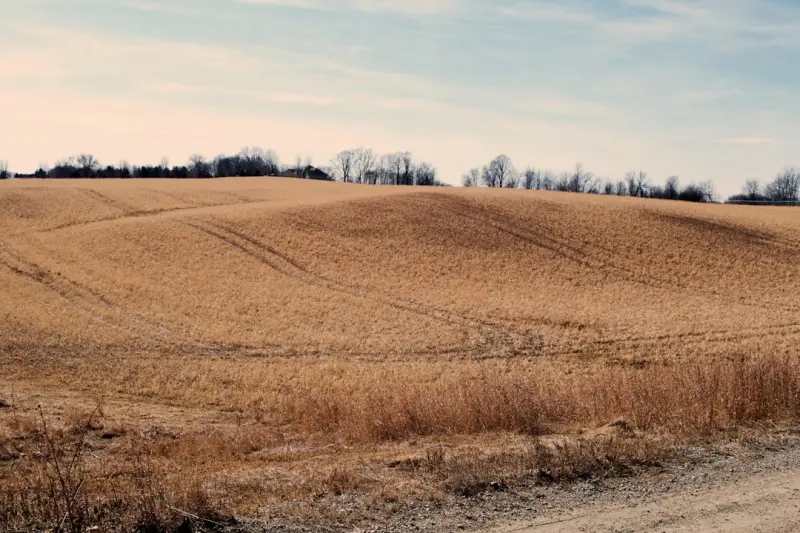
When I first walked the rows of canola in my family’s Saskatchewan field, the only hum I expected was the distant drone of a tractor. Instead, I heard the faint, steady whirr of a solar inverter and the gentle sigh of a wind turbine turning against the prairie sky. It was a moment of quiet revelation: the very land that feeds us could also fuel us.
Across Canada, a quiet revolution is reshaping the agricultural landscape. Farmers, long accustomed to battling weather, market volatility, and labor shortages, are now embracing renewable energy not as an after‑thought but as a core pillar of their operation. From solar panels perched on barn roofs to anaerobic digesters turning livestock waste into clean power, the move toward on‑farm energy production is redefining what it means to be a modern Canadian farmer.
Why Renewable Energy Makes Sense for Canadian Farms
At first glance, the idea seems simple—generate electricity on site, reduce utility bills, and possibly sell excess power back to the grid. Yet the benefits run deeper.
- Economic Resilience: Energy costs represent a significant portion of farm overhead. By offsetting these costs, farmers improve cash flow and gain a buffer against volatile energy prices.
- Environmental Stewardship: Renewable projects lower greenhouse‑gas emissions, supporting Canada’s national climate commitments while preserving the health of the soil and water.
- Community Energy Independence: Rural areas often experience unreliable grid service. On‑site generation can keep lights on during outages, ensuring critical operations—like milking parlors and refrigeration—continue uninterrupted.
- Diversified Revenue Streams: Selling surplus power or renewable energy credits adds a new line item to the balance sheet, reducing reliance on commodity markets.
These advantages echo the Regenerative Roots movement, which reminds us that sustainable practices are not a trade‑off; they’re an investment in long‑term viability.
Solar: Harvesting Light on the Land
Solar photovoltaic (PV) systems have become the low‑hanging fruit for many farms. The technology is mature, costs have plummeted, and installation can be tailored to fit a variety of farm layouts.
Rooftop vs. Ground‑Mount
Rooftop installations make efficient use of existing structures. A typical dairy barn roof can host a 100‑kilowatt (kW) system, producing enough electricity to power milking equipment, cooling units, and even feed‑lot fans. Ground‑mount arrays, on the other hand, allow for larger capacities and can be sited on marginal land that isn’t suitable for crops.
Case Study: A Prairie Wheat Farm
John Miller, a third‑generation wheat farmer in Manitoba, installed a 250 kW ground‑mount system on a section of his field that had been lying fallow for years. The system now generates roughly 300 MWh annually—enough to power his entire operation and feed excess electricity into the provincial grid, earning him a steady stream of revenue through Ontario’s feed‑in‑tariff program.
Financial Incentives
Provincial and federal programs, such as the Canada‑Canada Green Infrastructure Fund, provide rebates and low‑interest loans that can cover up to 40 % of installation costs. Additionally, the Renewable Energy Incentive (REI) offers tax credits for farms that meet specific sustainability criteria.
Wind: Harnessing the Canadian Breeze
Canada’s expansive open spaces make it a natural candidate for wind energy. While large utility‑scale farms dominate the headlines, small‑scale turbines are gaining traction among family farms.
Choosing the Right Turbine
Modern micro‑turbines (10‑50 kW) are designed for low‑maintenance operation and can be paired with existing farm infrastructure. They are especially effective in the Atlantic provinces, where coastal winds are consistent.
Integration with Existing Operations
Wind turbines can be sited near grain bins or livestock pens, providing power directly to high‑energy equipment like grain dryers. The synergy reduces transmission losses and simplifies grid interconnection.
Real‑World Example: A Nova Scotia Dairy Farm
Emily Chen’s dairy operation installed a 30 kW turbine adjacent to her milking parlor. The turbine now supplies 60 % of the farm’s electricity demand, with the remainder drawn from the grid during calm periods. The project was partially funded through the Atlantic Canada Rural Energy Initiative, which covers 35 % of capital costs.
Biogas: Turning Waste Into Power
Livestock farms produce a substantial amount of organic waste—manure, feed leftovers, and bedding. Anaerobic digestion (AD) transforms this waste into biogas (a mixture of methane and carbon dioxide) that can be burned for heat, electricity, or even upgraded to renewable natural gas (RNG).
The AD Process Simplified
1. Feedstock Collection: Manure and other organic residues are gathered in sealed digesters.
2. Microbial Breakdown: In an oxygen‑free environment, microbes convert the material into biogas.
3. Energy Capture: The biogas powers a combined heat and power (CHP) unit, producing electricity and hot water.
4. Digestate Utilization: The leftover material, rich in nutrients, is returned to fields as a high‑quality fertilizer.
Economic Benefits
Biogas projects can qualify for carbon offset credits, RNG subsidies, and renewable energy certificates. For a mid‑size cattle operation, a 500 kW CHP system can offset up to 1 MW of grid electricity, translating to savings of $150,000 – $200,000 per year.
Spotlight: A Quebec Mixed‑Livestock Farm
Marc‑Andre Dubois combined his dairy herd and swine operation into a 750 kW AD facility. The plant now powers the entire farm, supplies excess electricity to a neighboring grain mill, and sells RNG to a local transit agency. The project’s success hinged on a partnership with a regional university, which provided technical expertise and helped secure a grant from the Canadian Agricultural Partnership.
Hydro and Emerging Technologies
While solar, wind, and biogas dominate the conversation, other renewable avenues are emerging.
- Micro‑hydro: Small streams on the western slopes of British Columbia can support run‑of‑the‑river turbines that generate reliable, low‑impact power.
- Geothermal Heat Pumps: In the colder northern territories, ground‑source heat pumps provide efficient heating for greenhouses and livestock barns.
- Agri‑Photovoltaics: Dual‑use systems combine solar panels with shade‑tolerant crops, boosting land productivity.
Strategic Decision‑Making: The Role of “Decision Hygiene”
Adopting renewable energy isn’t a plug‑and‑play solution. Farmers must assess capital outlay, regulatory compliance, and long‑term maintenance. This is where the concept of Decision Hygiene becomes indispensable. By systematically cleaning up assumptions, evaluating risk, and aligning projects with core farm values, operators can avoid costly missteps.
Key steps include:
- Data‑Driven Feasibility: Conduct site‑specific wind and solar assessments, and model energy production versus consumption.
- Stakeholder Engagement: Involve family members, employees, and neighboring farms early to build consensus.
- Financial Modeling: Include upfront CAPEX, OPEX, incentives, and projected revenue streams over a 20‑year horizon.
- Regulatory Review: Ensure compliance with provincial environmental statutes and utility interconnection standards.
Policy Landscape and Incentive Programs
The federal government’s commitment to net‑zero emissions by mid‑century has spurred a suite of programs aimed at agricultural clean‑energy adoption:
- Clean Energy for Rural and Remote Communities (CERRC): Grants covering up to 50 % of project costs for solar and wind installations.
- Agri‑Energy Innovation Fund: Supports pilot projects that integrate renewable technologies with precision agriculture.
- Carbon Farming Initiative: Provides carbon credits for projects that sequester or reduce greenhouse gases, including biogas and renewable electricity generation.
Understanding and navigating these programs often requires collaboration with consultants, local extension offices, or university research centers. The payoff, however, can be transformative.
Beyond the Bottom Line: Community Impact
Renewable energy on farms does more than boost profit margins—it reshapes rural identity.
- Energy Sovereignty: Communities gain control over their power supply, reducing reliance on distant utilities.
- Job Creation: Installation, operation, and maintenance of renewable assets generate skilled employment opportunities in regions where jobs are scarce.
- Education and Tourism: Farms with visible renewable infrastructure often become live‑learning sites for schools and tourists, showcasing sustainable practices in action.
One farmer, after installing a solar array, reported that local high‑school students began a “Solar Saturdays” program, visiting his farm to learn about clean energy. Such ripple effects reinforce the notion that farms can serve as beacons of innovation for their entire region.
Integrating Renewable Energy with Digital Tools
The rise of smart farm platforms allows producers to monitor energy production in real time, adjust loads, and forecast demand. By pairing a farm’s Internet of Things (IoT) sensors with a renewable energy management system, operators can automatically shift energy‑intensive tasks—like irrigation or grain drying—to periods of peak solar generation.
These digital solutions echo the insights from Why the Future of Dining Is Built Around the Neighborhood Narrative, where localized, data‑driven decisions create resilient ecosystems. In the agricultural context, the same principles empower farms to become self‑balancing micro‑grids, reducing waste and enhancing sustainability.
Challenges and How to Overcome Them
No transformation is without hurdles. Common challenges include:
- Upfront Capital: Even with incentives, the initial outlay can be daunting. Solutions: explore cooperative ownership models, where multiple farms share a single renewable installation, spreading costs and benefits.
- Technical Expertise: Managing a turbine or digestor requires specialized knowledge. Solutions: partner with local colleges or technical schools that can provide training and support.
- Regulatory Uncertainty: Policies evolve, and grid interconnection rules can be complex. Solutions: stay engaged with provincial agricultural ministries and join farmer associations that advocate for clear, farmer‑friendly regulations.
Looking Ahead: The Renewable Farm of Tomorrow
Imagine a farm where the roof of the milking barn is a solar array, the field edges host low‑profile wind turbines, a biogas plant processes manure into clean electricity, and a micro‑hydro system captures runoff from a nearby creek. All of this is coordinated by an AI‑driven energy management platform that optimizes consumption, predicts maintenance, and even sells excess power on a blockchain marketplace.
This isn’t science fiction; it’s the emerging blueprint for Canadian agriculture. As climate pressures mount and energy costs rise, farms that embrace renewable energy will not only survive—they’ll thrive, leading the charge toward a greener, more self‑sufficient nation.
For those ready to take the first step, the journey begins with a simple audit: map your energy use, assess your land’s renewable potential, and start the conversation with local experts. The prairie wind and the sun over the Maritimes are already offering their gifts—now it’s time for Canadian farmers to harvest them.

Related Posts
Cultivating Resilience: How Canadian Farmers Are Rewriting Rural Well‑Being
Canadian farmers are redefining resilience by addressing mental health, forming cooperative networks... Read More
Harvesting the Future: Data, Renewable Energy, and Community Power on Canadian Farms
Canadian farmers are turning to data-driven precision agriculture, renewable energy, and cooperative... Read More
From Field to Forum: How Canadian Farmers Are Shaping Local Food Policy
Canadian farmers are stepping into policy rooms, forming cooperatives, embracing Indigenous seed sov... Read More
Top Posts

When the Lights Dim: Unconventional Ways to Make Your Prom Unforgettable
Explore bold, inclusive, and technology‑driven strategies that turn a traditional prom into an unforgettable celebration, with DIY fashion tips, immersive ven...Read More
From River to Plate: Ontario’s Freshwater Flavors and How to Cook Them
Explore the culinary side of Ontario’s abundant lakes, from proper fish prep to signature recipes, pairing tips, and community traditions that turn every catc...Read More

Beyond the Gown: How Tech and Sustainability Are Redefining Prom and Graduation
Prom and graduation are evolving beyond a single night of celebration. This post reveals how tech platforms, sustainable attire, and alumni networking create la...Read More
When Walls Breathe: Harnessing Biophilic Design for Workplace Health
Discover the science behind biophilic design and practical steps to turn your home office into a nature‑infused wellness hub, boosting focus, reducing stress,...Read More
0 Comments
Post Comment
You will need to Login or Register to comment on this post!