
From Soil to Signal: The Quiet Tech Revolution on Canada’s Family Farms
When I first grew up watching my grandparents coax wheat from the prairie’s fickle breath, the rhythm of farming felt like a conversation with the land—one spoken in the language of clouds, soil texture, and the subtle tilt of the sun. Today, that conversation has picked up a new dialect: data packets, satellite imagery, and decentralized ledgers. While the romantic image of the lone farmer still holds a place in our collective imagination, the reality on the ground is a blend of tradition and high‑tech precision that is reshaping the very definition of “Canadian farmer.”
Why Data‑Driven Soil Health Isn’t a Gimmick
Soil is the living foundation of every harvest. Historically, farmers gauged its health by feel, taste, and the performance of the previous crop. Those methods are still valuable, but they’re now supplemented by a suite of sensors that monitor moisture, temperature, pH, and even microbial activity in real time.
- IoT Soil Nodes: Small, solar‑powered devices embed themselves a few inches below the surface and relay data to a farmer’s phone or tablet every few minutes. This constant stream helps identify drought stress before the leaves even curl.
- Predictive Analytics: By feeding historic yield data into machine‑learning models, growers can forecast which fields will benefit most from nitrogen applications, reducing waste and cutting input costs by up to 15%.
- Regenerative Insights: The same data can guide cover‑crop rotations and reduced‑till practices that rebuild organic matter, a critical factor as climate variability intensifies across the Prairies and the Atlantic provinces.
Farmers who once relied on a single annual soil test now have a continuous health scorecard. That scorecard informs not just fertilizer decisions, but also irrigation schedules, planting dates, and even the selection of crop varieties that are better suited to the micro‑climate of each field block.
Drones: From Aerial Photography to Prescription‑Level Management
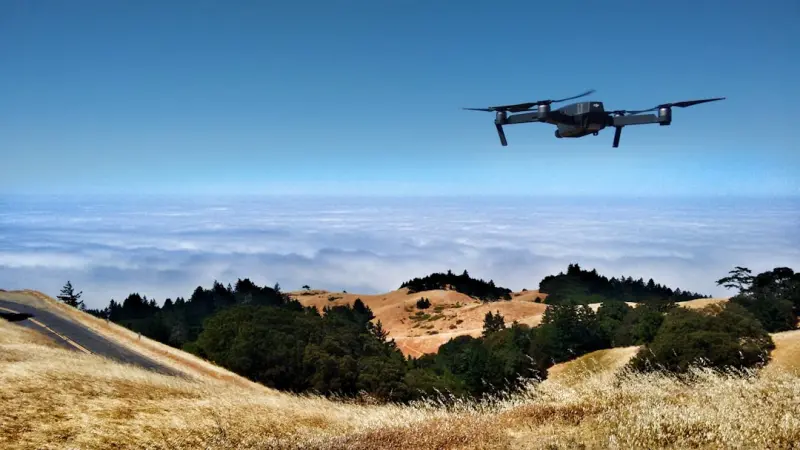
If soil sensors are the stethoscope, drones are the X‑ray. In the past few years, the cost of a commercial‑grade unmanned aerial vehicle (UAV) has dropped to a level that even modest operations can afford a lease or a shared‑ownership model. The benefits go far beyond pretty pictures:
- Multi‑Spectral Imaging: By capturing light beyond the visible spectrum—near‑infrared, red‑edge, and thermal bands—drones reveal plant stress that is invisible to the naked eye. Early detection of pest pressure or nutrient deficiency can save an entire acre from loss.
- Variable‑Rate Application: Integrated with farm‑management software, drone data can generate prescription maps that tell sprayers exactly where to increase or decrease pesticide or fertilizer rates. This precision reduces chemical runoff and protects waterways, a concern that resonates strongly with communities along the Great Lakes and St. Lawrence River.
- Compliance & Documentation: In an era of increasingly stringent environmental regulations, drone logs provide a verifiable record of field activities, making audits less painful and more transparent.
Imagine a farmer in Southern Ontario scanning a 300‑hectare soybean field in ten minutes, spotting a localized nitrogen deficiency, and adjusting the fertilizer plan before the next rain. That speed and accuracy were unthinkable a decade ago.
Blockchain for Traceability: Giving Consumers a Real‑Time Window Into Their Food
One of the most compelling reasons Canadian farmers are adopting blockchain isn’t just operational efficiency; it’s about storytelling. Modern shoppers demand proof that their food is ethically produced, sustainably farmed, and locally sourced. A distributed ledger provides an immutable record from seed to supermarket shelf.
Here’s how a typical blockchain workflow unfolds on a mid‑size grain farm in Saskatchewan:
- Seed Registration: Each seed batch receives a digital ID that logs its origin, treatment, and certification.
- Field Entry: As the seed is planted, GPS‑linked equipment tags the exact coordinates, linking the ID to a specific parcel of land.
- Growth Milestones: Sensor data (soil moisture, growth stage imagery) are appended to the ledger at regular intervals, creating a transparent timeline of the crop’s development.
- Harvest & Processing: When the combine finishes, the harvested grain’s weight and moisture content are recorded, and the batch is sealed with a QR code.
- Distribution: Retailers scan the QR code, instantly retrieving the full provenance report—information that can be displayed on store shelves or shared on a farmer’s website.
Beyond marketing, this traceability layer helps farmers meet export standards, especially for markets that demand rigorous sustainability certifications. It also builds a safety net: in the unlikely event of a contamination issue, the affected lot can be isolated and recalled with pinpoint accuracy, protecting both consumers and the farm’s reputation.
Community Platforms: The Digital Commons That Strengthen Rural Resilience
Technology isn’t just about hardware; it’s also about the networks we build. Across the country, farmer‑focused platforms are emerging that blend social media, cooperative purchasing, and knowledge sharing into a single digital commons.
- Co‑Buying Groups: By aggregating demand for seed, fertilizer, or equipment, smallholders can negotiate bulk discounts that were once the exclusive domain of large agribusinesses.
- Peer‑to‑Peer Learning: Live webinars, discussion boards, and short‑form video tutorials let a farmer in Nova Scotia learn from a peer in British Columbia who just piloted a new drone‑mapping workflow.
- Collective Risk Management: Some platforms integrate weather‑indexed insurance products, allowing members to pool premiums and trigger payouts automatically when satellite data confirms a drought event.
These digital cooperatives also play an unexpected role in mental health. Farming is an isolating profession, especially during the long winter months in the north. By providing a virtual gathering place, these platforms help break the silence that can lead to burnout.
Remote Health Support: Keeping Farmers Healthy on the Land
Speaking of health, the remote health support initiatives that have blossomed over the past few years are now an integral part of farm life. Tele‑medicine kiosks installed in grain elevators and dairy barns allow workers to consult physicians without traveling hours to the nearest clinic. In addition, wearable health monitors can alert families and medical responders if a farmer’s vital signs cross dangerous thresholds—a critical safety net for those who spend long days operating heavy machinery.
When combined with the data from field sensors, these health platforms can even predict periods of heightened fatigue (e.g., after a hot, humid stretch of planting) and suggest proactive rest breaks, reducing the risk of accidents.
Small‑Scale Experiments: The Lab‑Like Innovation Hubs of the Countryside
Innovation isn’t confined to the R&D labs of multinational corporations. Many Canadian farms now allocate a few acres as experimental plots—mini‑labs where they test new varieties, cover‑crop mixes, or irrigation technologies. This approach mirrors the small‑scale innovation mindset championed by forward‑thinking enterprises, but with a twist: the stakes are immediate, and the feedback loop is measured in bushels rather than quarterly reports.
For example, a mixed‑grain operation in the Okanagan experimented with a drought‑tolerant barley cultivar on a 5‑hectare test plot. Within two growing seasons, the new variety delivered a 12% yield increase under water‑limited conditions, prompting the farmer to roll out the cultivar across 60% of the farm. Such rapid iteration cycles are becoming the norm rather than the exception.
Renewable Energy Integration: Powering the Farm of Tomorrow
Even though the solar harvest story highlighted large‑scale solar arrays, many farms are now integrating micro‑grids that blend solar panels, wind turbines, and battery storage to meet on‑site energy needs. The advantage? Reduced reliance on the provincial grid, lower operating costs, and a smaller carbon footprint—factors that appeal to both environmentally conscious consumers and cost‑savvy producers.
In the Maritimes, a family dairy farm paired a 100‑kW solar array with a biogas digester that converts manure into electricity. The combined system now supplies over 80% of the farm’s electricity demand, with excess power fed back into the local utility, earning the farm additional revenue through feed‑in tariffs.
The Road Ahead: Balancing Tradition with Technology
The narrative of Canadian farming is evolving from a lone‑ranger myth to a story of collaborative, data‑rich stewardship. Yet the core values—hard work, respect for the land, and community—remain unchanged. The new tools simply enable us to honor those values more effectively.
Looking forward, several trends will likely shape the next decade:
- AI‑Enhanced Decision Support: Machine‑learning models that synthesize weather forecasts, market prices, and sensor data will offer real‑time recommendations on planting dates, crop mixes, and sales strategies.
- Carbon Credit Markets: As Canada strengthens its climate policies, farms that adopt regenerative practices will be able to monetize carbon sequestration, turning ecological stewardship into a revenue stream.
- Cross‑Sector Partnerships: Collaborations between tech firms, universities, and farmer co‑ops will accelerate the development of tools tailored to the unique challenges of Canadian geography—from the frost‑prone Prairies to the rain‑soaked Atlantic coast.
For those of us who grew up with the scent of fresh‑cut hay and the hum of a diesel engine, embracing these innovations feels less like abandoning tradition and more like giving it a new voice. The fields are still the same, but now we can listen more closely—to the soil, the sky, and the data that connects them.

Related Posts

Harvesting Hope: The Quiet Revolution in Farmer Well‑Being
Canadian farmers are quietly transforming their approach to health by integrating regenerative agric... Read More

Data‑Driven Farming: How Canadian Growers Are Turning Sensors Into Savings
Canadian farmers are blending tradition with technology, using soil sensors, satellite imagery, and ... Read More
Farmers Take the Driver’s Seat: Digital Cooperatives Changing Canadian Agriculture
Canadian farmers are banding together to build shared digital platforms that give them direct market... Read More
Top Posts

Bridging Traditions: How Indigenous Wisdom is Shaping Modern Canadian Farming
Discover how Indigenous stewardship practices are transforming Canadian farms, boosting soil health, biodiversity, and market value while forging a resilient, c...Read More

Why Canada’s Climate‑Driven Politics Is the Next Global Blueprint
Canada’s political landscape is being reshaped by a surge in climate‑focused voter blocs, party re‑branding, and groundbreaking policies, signaling a new ...Read More
Beyond Borders: How Modern Tariffs Spark Local Innovation
Tariffs are evolving from simple tax tools into strategic levers that drive regional innovation, sustainable supply chains, and new business models. This post r...Read More

Winter Street Fairs: Canada’s Cold‑Season Social Revival
Canadian cities are reimagining cold weather by turning sidewalks into bustling winter fairs, where local chefs, artisans, and performers gather to create a vib...Read More
0 Comments
Post Comment
You will need to Login or Register to comment on this post!