

How Canada’s Indie Gaming Scene Is Redefining Interactive Storytelling
When I first walked into a downtown Vancouver arcade five years ago, the neon‑lit rows of retro cabinets felt like a nostalgic time capsule. Fast forward to today, and the same space now hums with the low‑frequency thrum of high‑end VR rigs, the clatter of custom‑built mechanical keyboards, and the excited chatter of players immersed in worlds that feel as real as the snow‑capped peaks outside. Canada’s indie gaming ecosystem has quietly morphed from a niche hobby into a cultural powerhouse that’s reshaping how we experience narrative, community, and entertainment.
In this piece, I’ll take you behind the curtain of the most exciting developments—from community‑driven funding models to cross‑province collaborative studios—and explain why these trends matter not just to gamers, but to anyone who cares about the future of storytelling in Canada.
The Birth of a Collaborative Frontier
Local talent, global ambition. Canada has always been a fertile ground for creative talent. From the silver screen to the music festivals that dot our coasts, there’s a palpable hunger for original voices. Indie game developers have tapped into that same energy, forming loosely‑structured collectives that share resources, mentorship, and even office space.
Take the Maple Code Guild in Toronto, for instance. What began as a weekend meetup of three programmers and a designer has blossomed into a network of over thirty studios collaborating on shared technology stacks and joint marketing campaigns. Their secret sauce? A hybrid of open‑source development and a community‑backed funding platform that lets fans become micro‑investors, earning early access and exclusive in‑game items.
This model mirrors the success of community‑funded art projects, but with a twist: every backer becomes part of the narrative design process. Developers host live‑streamed brainstorming sessions, inviting contributors to vote on plot twists, character designs, or even the soundtrack. The result is a game that feels co‑created—a living, breathing story shaped by its audience.
From Local Lore to Digital Legends
One of the most compelling aspects of Canada’s indie boom is the infusion of regional folklore into game worlds. While big studios often lean on generic fantasy tropes, indie creators are mining the rich tapestry of Indigenous myths, Acadian legends, and even the haunting tales of the Yukon’s gold‑rush era.
Consider Whispers of the Wendigo, an atmospheric survival game developed in a small studio in Manitoba. The developers partnered with local Indigenous storytellers to ensure cultural authenticity, integrating oral histories into gameplay mechanics. Players must navigate both physical and metaphysical landscapes, learning about stewardship of the land while confronting a creature born from colonial trauma.
These projects are more than entertainment; they’re cultural preservation tools. By embedding authentic narratives into interactive media, developers are giving a new generation a reason to explore, respect, and share the stories that have defined our nation for centuries.
Hybrid Spaces: Where Physical and Virtual Converge
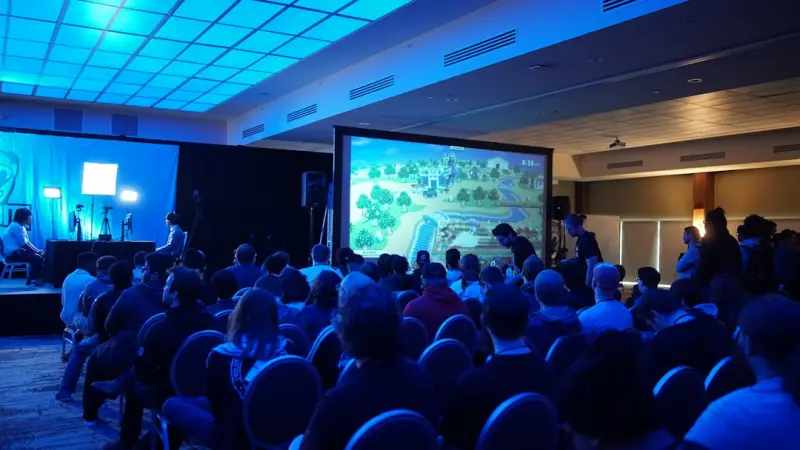
While the digital realm offers limitless possibilities, Canada’s indie scene is also reimagining the physical venue. Pop‑up gaming lounges, temporary VR installations, and travelling arcade buses are popping up in cities from Halifax to Vancouver.
These hybrid spaces serve as testing grounds for prototypes and as community hubs where players can meet creators face‑to‑face. One standout example is the Northwest Arcade Caravan, a refurbished school bus that travels the Prairies, setting up pop‑up gaming nights in community centres and high schools. The bus is equipped with a curated library of indie titles, allowing locals to experience games that might never reach traditional retail shelves.
Such initiatives are redefining “entertainment venues” in a post‑pandemic world, where the line between online and offline experiences is increasingly blurred. They also echo the spirit of creative pop‑up events that have been reshaping live culture across the country, but with a distinct focus on interactive play rather than passive observation.
Cross‑Province Co‑Development: The Rise of “Game Hubs”
Geography once dictated the limits of collaboration—studios in Toronto rarely partnered with those in Newfoundland. Today, high‑speed fiber networks and cloud‑based development tools have birthed a new kind of “game hub,” where teams spread across provinces contribute to a single title in real time.
The Atlantic‑Central Game Hub is a prime illustration. Based in a shared virtual workspace, artists in Halifax draft concept art that instantly appears on the monitors of programmers in Calgary. Meanwhile, sound designers in Quebec upload ambient tracks that are tested live by QA teams in British Columbia. This distributed model not only reduces overhead costs but also infuses projects with a diversity of cultural perspectives that enrich the final product.
Such collaboration aligns with broader trends in Canadian tech, where remote work and digital infrastructure are no longer perks but expectations. It also demonstrates how the entertainment sector can lead the way in leveraging these capabilities for creative output.
Monetization That Respects the Player
Indie developers are experimenting with monetization models that prioritize player goodwill over short‑term profit. Subscription‑based access, “pay‑what‑you‑want” pricing, and ethical microtransactions are gaining traction.
- Subscription Passes: Rather than selling a single title, some studios offer a rotating library of indie games for a modest monthly fee, similar to a streaming service but for interactive experiences.
- Community‑Driven DLC: Expansion packs are funded through community pledges, ensuring that developers only create content that fans genuinely desire.
- Transparent Microtransactions: When in‑game purchases are necessary, developers clearly disclose how revenue is split, often allocating a percentage back into community projects or charitable causes.
This approach echoes the principles behind transparent pricing models that have been championed in other Canadian tech sectors. By aligning revenue streams with player values, indie studios cultivate loyal audiences that become advocates, amplifying word‑of‑mouth promotion far beyond traditional advertising.
Education and the Next Generation of Creators
Canada’s universities and polytechnics are responding to this surge by integrating game design into curricula. Programs now blend computer science, narrative theory, and cultural studies, reflecting the interdisciplinary nature of modern game development.
Students are encouraged to undertake capstone projects that partner with local studios, providing real‑world experience and fresh ideas. The result is a pipeline of talent that is technically proficient, culturally aware, and ready to push the boundaries of interactive storytelling.
Challenges on the Horizon
Despite the optimism, the indie sector faces hurdles. Funding remains a patchwork of grants, crowd‑sourced contributions, and private investment, making financial stability precarious. Moreover, the global market is saturated, meaning Canadian titles must compete for visibility on platforms dominated by massive publishers.
Regulatory issues also loom. As games incorporate more sophisticated AI and data collection, developers must navigate privacy laws that differ province‑to‑province. Staying ahead of these regulations while maintaining creative freedom will be a delicate balancing act.
Why It Matters to the Wider Entertainment Landscape
Canada’s indie gaming renaissance is more than a niche phenomenon. It signals a shift in how stories are told, experienced, and monetized. By embracing collaborative development, cultural authenticity, and ethical monetization, indie creators are setting new standards that could ripple across film, music, and live performance sectors.
Imagine a future where a Canadian music festival integrates an AR game that tells the story of the region’s First Nations history, or a theatre production that blends live actors with AI‑generated background characters. The cross‑pollination of ideas is already happening, and the indie gaming community stands at its epicenter.
As we watch these trends unfold, one thing is clear: the next wave of Canadian entertainment will be interactive, inclusive, and intimately tied to the communities that nurture it.

Related Posts

The Rise of Canada’s Homegrown Entertainment Revolution
Canada’s entertainment scene is exploding, blending grassroots hubs, streaming breakthroughs, and ... Read More

Indigenous Storytelling Redefines Canadian Film and TV
Indigenous filmmakers and series are transforming Canada's screen landscape, blending tradition with... Read More
Beyond the Screen: How Pop‑Up Immersive Events Are Rewriting Canada’s Entertainment Landscape
Canada’s entertainment landscape is shifting from passive streaming to vibrant, temporary pop‑up... Read More
Top Posts

The Intersection of Politics and Identity: A Canadian Perspective
The relationship between politics and identity is complex and multifaceted in Canada. Learn how our individual and collective identities shape our understanding...Read More

Beyond the Lens: Crafting a Sensory Travel Experience
Travel becomes a richer, more immersive adventure when you engage all five senses. This article explores practical ways to incorporate sound, smell, taste, and ...Read More

AI Health Dashboards: Turning Data Into Daily Vitality
An AI‑driven health dashboard consolidates wearables, sleep, and lifestyle data, offering personalized, privacy‑first nudges that turn everyday numbers into...Read More

The Unspoken Truths of Canadian Farming
Canadian farmers face numerous challenges, from unpredictable weather patterns to fluctuating market prices. Learn more about the unseen struggles of these unsu...Read More
0 Comments
Post Comment
You will need to Login or Register to comment on this post!