
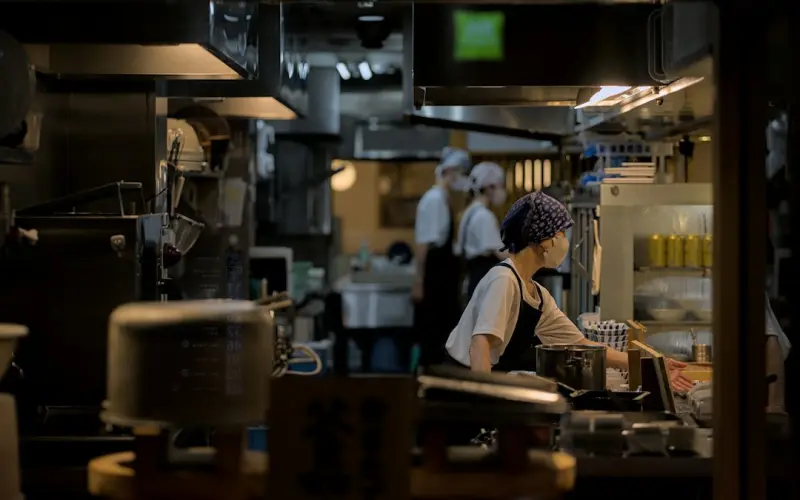
From the Kitchen Counter to the City Streets: Why Fermentation Is the New Frontier for Urban Foodies
When I first moved into a tiny loft on the edge of downtown, the only thing that fit in my pantry was a half‑empty jar of mustard and an ambitious dream of turning my balcony into a micro‑farm. Fast‑forward a few months, and I’m now the proud caretaker of a bubbling kombucha SCOBY, a handful of heirloom sauerkraut jars, and a modest colony of wild‑crafted yeast that makes my sourdough rise like a sunrise.
Fermentation isn’t just a cooking technique; it’s a cultural renaissance that’s slipping into the cracks of our concrete jungles. It’s the art of coaxing microbes into a partnership, the science of turning waste into flavor, and the most approachable way to reclaim a slice of the natural world without leaving the city.
The Microbial Symphony Behind Your Everyday Bite
Every time you bite into a tangy kimchi or sip a fizzy kombucha, you’re experiencing a centuries‑old dialogue between bacteria, yeasts, and you. These tiny allies break down sugars, produce acids, and release a cascade of aromatic compounds that transform bland vegetables into palate‑popping fireworks.
What makes fermentation especially thrilling for city dwellers is its scalability. Want a single cup of kefir? A quart of pickles? Or a full‑blown barrel of barrel‑aged hot sauce? The same basic principles apply, and the only real limit is the size of your fridge door.
Why Urban Fermentation Is Gaining Traction Now
- Space Efficiency: A 1‑liter mason jar occupies less room than a blender, yet yields flavors that would take a full‑scale kitchen to replicate.
- Zero‑Waste Potential: Scraps from your market run—cabbage cores, carrot tops, or stale bread—become the starting point for a new batch of fermented goodness.
- Health Boost: Fermented foods are rich in probiotics, which support gut health, immunity, and even mood regulation.
- Community Building: Swapping starter cultures has become a modern form of potluck, sparking conversations that go well beyond the kitchen.
Getting Started: The Starter Kit You Really Need
Contrary to the myth that you need a chemistry degree, the entry barrier is delightfully low. Here’s a minimalist toolkit that fits in a backpack:
- Glass Jars (wide‑mouth, preferably with a lid): 1‑liter mason jars are perfect for most starter projects.
- Non‑Metal Utensils: Stainless steel can react with the acidic environment, so opt for wooden spoons or silicone spatulas.
- Weight and Cloth: A small fermentation weight (a clean stone or a glass fermenting weight) keeps veggies submerged, while a breathable cloth prevents contaminants.
- Basic Ingredients: Salt (non‑iodized), fresh vegetables, and a source of sugar (fruit, honey, or even leftover soda).
Once you have these, the rest is a blend of intuition, patience, and a willingness to let microbes take the wheel.
The Flavor Lab: Experimenting with Unlikely Pairings
Fermentation invites you to play chef, scientist, and explorer simultaneously. Here are three unexpected mash‑ups that have become staples in my kitchen:
1. Coffee‑Infused Kombucha
Start with a base kombucha brew, then during the second fermentation, add a tablespoon of cold‑brew concentrate and a pinch of cinnamon. After 48 hours, you’ll have a lightly effervescent drink that balances the bright acidity of kombucha with the deep, roasted notes of coffee. It’s the perfect afternoon pick‑me‑up for anyone who misses the café vibe but wants something probiotic.
2. Charred Tomato & Miso Salsa
Take overripe tomatoes, char them on a grill, and mash with a spoonful of miso paste, lime juice, and a dash of sesame oil. Let the mixture ferment at room temperature for three days. The result is a smoky, umami‑rich salsa that pairs beautifully with grilled fish or as a topping for tacos. The miso adds a layer of complexity that ordinary salsa simply can’t match.
3. Pickled Ginger‑Pearl Barbecue Sauce
Combine shredded ginger, apple cider vinegar, brown sugar, and a splash of soy sauce. Add a handful of pickled jalapeños for heat, then seal and let it sit for a week. The ginger mellows, the vinegar brightens, and the jalapeños impart a lingering spice—creating a sauce that can turn a simple pulled pork sandwich into a flavor revelation.
Fermentation Meets the City: Pop‑Up Fermenteries and Community Hubs
Across the country, you’ll now find pop‑up spaces that double as fermentation labs and social lounges. These venues often host “sourdough Sundays” or “kimchi workshops,” turning the act of fermenting into a communal ritual. In many ways, they echo the spirit of the tool libraries that have reshaped how Canadians share resources—except here, the tools are cultures, jars, and curiosity.
What’s truly fascinating is how these hubs are integrating technology without losing the tactile charm of fermentation. Some use temperature‑controlled lockers to maintain optimal conditions, while others employ simple data dashboards that let participants monitor pH levels in real time. The result is a blend of old‑world craft and new‑world convenience that feels distinctly urban.
Fermentation on the Move: The Remote‑Work Retreat Angle
If you’ve ever read about the rise of remote‑work retreats, you know they’re all about blending productivity with adventure. Imagine a weekend getaway where the itinerary includes a morning of brainstorming sessions, an afternoon of nature hikes, and an evening dedicated to creating a communal batch of fermented hot sauce. The process becomes a team‑building exercise, a creative spark, and a delicious souvenir all at once.
Many forward‑thinking companies are now offering “Ferment & Focus” retreats, where employees can disconnect from the inbox and reconnect with the rhythm of microbes. The benefits are twofold: participants return with a healthier gut and a deeper sense of community, while the company gains a culture of mindfulness and shared achievement.
Beyond the Kitchen: Fermentation as a Sustainability Strategy
While we’re not talking about large‑scale industrial fermentation, the principle of turning waste into value scales beautifully at the household level. Here’s how you can embed sustainability into your daily fermenting routine:
- Food Scraps as Starters: Stale bread becomes a sourdough starter; carrot peels become the base for a tangy brine.
- Water Reuse: The brine from a pickle batch can be repurposed as a flavorful base for salad dressings or marinades.
- Compost Integration: After a fermentation cycle, the leftover pulp can be added to a balcony compost bin, feeding your next batch of herbs.
This loop of “consume, ferment, repurpose” reduces landfill waste and cuts down on grocery bills—making the urban kitchen a tiny, but mighty, eco‑engine.
Fermentation Meets Flavor Data: The Rise of Personal Taste Mapping
In an age where algorithms recommend music and movies, why not let data guide our taste buds? Some innovative startups are now offering “flavor profiling” services that ask you to rate your favorite fermented foods, then generate a personalized fermentation recipe card. While the concept is still in its infancy, it promises to democratize gourmet flavor discovery, turning the average home cook into a culinary curator.
Think of it as a Spotify playlist for your gut. The more you experiment, the richer the dataset, and the more precise the recommendations become. It’s a playful blend of technology and tradition—just the kind of synergy that makes urban living feel both grounded and futuristic.
Challenges and How to Tackle Them
Every culinary adventure comes with its pitfalls. Fermentation is no exception. Here are the most common hiccups and quick fixes:
- Mold Formation: If you see fuzzy white or green growth, discard the batch. To prevent mold, keep vegetables submerged and ensure the container is clean.
- Off‑Flavors: Over‑fermentation can produce overly sour or “vinegary” notes. Taste daily after the second day; once it reaches your preferred tang, move it to the fridge to slow the process.
- Temperature Swings: Ideal fermentation occurs between 65°F‑75°F. If your apartment gets too hot in summer, store jars in a cooler corner or a wine fridge.
Bringing the Community In: Fermentation Swaps and Collaborative Jars
One of the most rewarding aspects of fermenting is the social ripple it creates. Organize a “starter exchange night” with neighbors, where each person brings a culture—whether it’s a sourdough starter, kefir grains, or a bottle of fermented hot sauce. The exchange not only diversifies your palate but also strengthens neighborhood ties, echoing the collaborative spirit found in the night‑fishing community that thrives on shared knowledge and shared meals.
Even if you live alone, online forums and local Facebook groups can be a goldmine for swapping cultures and troubleshooting. The key is to view fermentation not as a solitary hobby, but as a conduit for connection.
Future Outlook: The Urban Fermentation Landscape in the Next Decade
Looking ahead, I see three trends shaping the fermenting scene in our cities:
- Hybrid Spaces: Cafés will double as fermentation labs, offering on‑site workshops while serving fermented drinks.
- Smart Jars: Integrated sensors will track pH, temperature, and carbonation, sending alerts to your phone when a batch is ready.
- Policy Support: As municipalities recognize the waste‑reduction potential, we may see incentives for households that adopt zero‑waste fermentation practices.
Whether you’re a seasoned fermenter or a curious newcomer, the future is bubbling with possibility. All it takes is a jar, a pinch of salt, and a willingness to let nature do its thing.
Take the First Step Today
Ready to join the urban fermentation movement? Pick one vegetable from your grocery list, grab a mason jar, and start a simple brine today. Document your progress, share with friends, and watch as a tiny community of microbes transforms your food—and maybe even your outlook on city living.
Remember: In the heart of the metropolis, the most profound revolutions often start in the quiet corners of a kitchen shelf. Happy fermenting!

Related Posts
Cooking Up Collaboration: How Remote Teams Turn Kitchens Into Innovation Labs
Remote teams are transforming kitchen time into strategic innovation labs, using data‑driven tools... Read More
Edible Packaging: Turning Waste Into Flavorful Food Wraps
Explore the rise of edible packaging—from seaweed cups to herb‑infused wraps—and learn how it ... Read More

Zero‑Waste Gourmet: Turning Kitchen Scraps into Star Dishes
Learn practical techniques for zero‑waste cooking, from building a flavorful scrap stock to crafti... Read More
Top Posts

Breathing Into Balance: A Practical Guide to Everyday Resilience
This article explores the science of breath, debunks common myths, and offers three easy practices that fit into any busy schedule, helping readers harness brea...Read More

Rewilding Ontario’s Lakes: Community Anglers Restoring Fish Populations
A fresh look at Ontario’s fishing scene reveals a grassroots movement where community anglers, Indigenous wisdom, and habitat restoration projects are working...Read More

Silencing the Ping: Protecting Your Brain from Notification Overload
Constant alerts hijack our brains, elevating stress and eroding focus. This article offers a step‑by‑step guide to audit, limit, and strategically manage no...Read More

The Tariff Tango: A Delicate Dance of Economic Uncertainty
The tariff tango is a delicate dance of economic uncertainty that is affecting rural America. Learn more about the impact of tariffs on rural communities and th...Read More
0 Comments
Post Comment
You will need to Login or Register to comment on this post!