

When I was a senior in high school, the biggest buzz was about dresses, tuxes, and the perfect selfie spot. Fast‑forward to today, and the conversation has shifted from fabric to firmware. The night we’ve all been waiting for—prom and graduation—has become a canvas for digital storytelling, and I’m here to show you how to paint it with augmented reality (AR), QR codes, and a dash of creative tech. This isn’t about replacing tradition; it’s about amplifying it so that the memories you cherish can live on in a format that’s as dynamic as the lives you’re stepping into.
The Digital Keepsake Revolution
Every generation has a signature keepsake: photo albums for the analog era, Instagram stories for the millennial wave. Today’s tech‑savvy cohort is ushering in a new era where physical memorabilia meet interactive experiences. The allure is simple—why settle for a static photo when you can embed a short video, a playlist, or even a 3D model into the same memory? This trend is fueled by a combination of affordable hardware (think smartphones) and user‑friendly software platforms that let anyone become a digital archivist.
Beyond the novelty factor, there’s a practical upside. Traditional photo books often get tucked away in a drawer, only to be dusted off on a rare nostalgic occasion. Interactive memories, however, are designed to be revisited—scanned at a later date, shared on social media, or even projected at future reunions. They become living documents, evolving as you add new layers of content over the years.
AR Magic: Bringing the Moment to Life
Imagine walking into the prom venue and seeing a subtle shimmer over the chandelier, signaling that a hidden AR experience is waiting to be unlocked. With a quick scan of a marker—perhaps a custom‑printed emblem on your invitation—you could trigger a short animation that showcases the class mascot, a montage of senior year highlights, or a personalized message from a favorite teacher. The same technology can be repurposed for graduation, turning the stage backdrop into a dynamic timeline of the cohort’s achievements.
Getting started is easier than you think. Platforms like ZapWorks and Blippar offer free tiers that let you upload 3D assets, set trigger images, and generate a QR code that links directly to the AR experience. All you need is a printed card or a sticker placed strategically around the venue. Guests can simply point their phone cameras at the marker, and the magic unfolds. The best part? These experiences are shareable—students can capture the AR overlay and post it, extending the reach of the event beyond the ballroom walls.
QR Code Guestbooks: A Modern Twist on the Classic Sign‑In
Traditional guestbooks have always been a staple at graduations, a place for friends and family to sign their names and leave a note. In the digital age, QR codes can transform this static sheet into a living, breathing archive. By placing a QR code at each table or near the stage, guests can tap a link that opens a custom form—think Google Forms or Typeform—where they can leave a video message, a GIF, or a handwritten note scanned with their phone.
These submissions can be compiled in real time, creating a continuous feed that can be projected onto a side wall during the event. The result is a dynamic “wall of love” that evolves as the night progresses, giving everyone a chance to see the collective sentiment in real time. After the ceremony, the entire collection can be exported into a sleek digital yearbook, preserving every smile, laugh, and heartfelt wish for posterity.
DIY Digital Yearbooks: From Templates to Treasure Troves
If you’re the type who loves a hands‑on project, consider crafting a digital yearbook that integrates all the AR and QR code content you’ve gathered. Tools like Canva, Adobe Spark, or even simple PowerPoint can be used to design interactive PDFs. Embed clickable links, short videos, and QR codes that lead to deeper layers of content—like a behind‑the‑scenes look at the prom preparation or a montage of the senior year’s biggest milestones.
To keep the process manageable, start by categorizing content: photos, videos, messages, and AR experiences. Assign each category a dedicated section in your digital yearbook, and use a consistent visual language—same fonts, colors, and iconography—to create a cohesive feel. Once compiled, the yearbook can be shared via email, cloud storage, or even uploaded to a class website for future alumni to explore. This approach not only preserves memories but also turns them into a portable, shareable asset that can be updated as new memories are created.
Budget‑Friendly Tech Tools: No Need for a Million‑Dollar Production
One common misconception is that creating an AR‑enhanced prom or graduation experience requires a massive budget. In reality, many of the most effective tools are either free or cost just a few dollars per student. Here’s a quick rundown of low‑cost options:
- AR Platforms: ZapWorks (free tier), Blippar (free basic plan), and Spark AR Studio (free, owned by Meta).
- QR Code Generators: QRCode Monkey, QRStuff, and Google’s Chart API— all free and customizable.
- Guestbook Forms: Google Forms (free) or Typeform (free tier for basic forms).
- Digital Yearbook Design: Canva (free plan) or Adobe Spark (free starter).
By leveraging these resources, you can create a tech‑rich experience without draining the class fund. Pair these tools with existing school resources—like the photography club’s cameras or the IT department’s Wi‑Fi—to maximize impact while minimizing costs.
Bringing It All Together: A Step‑by‑Step Playbook
To help you visualize the workflow, here’s a concise roadmap from concept to execution:
- Define Your Story: Identify the key moments you want to highlight—senior trips, club achievements, or memorable school events. This will guide the content you gather for AR and QR experiences.
- Create Visual Markers: Design simple icons or logos that will serve as AR triggers. Print them on invitations, table cards, or backdrop panels.
- Build AR Content: Use a free AR platform to upload short videos, 3D models, or animated graphics that correspond to each marker.
- Set Up QR Guestbooks: Generate QR codes that link to an online form where guests can leave messages. Place them strategically throughout the venue.
- Collect & Curate: As messages roll in, assign a student or teacher to monitor and curate content, ensuring it’s appropriate and ready for real‑time projection.
- Design the Digital Yearbook: Compile photos, AR screenshots, and guest messages into an interactive PDF. Include links back to the AR experiences for future reference.
- Launch & Share: On the night of the event, encourage attendees to scan markers, leave messages, and engage with the digital elements. After the event, distribute the digital yearbook via email or a class cloud folder.
Following this roadmap, you’ll produce a seamless blend of tradition and technology that feels fresh, inclusive, and unforgettable.
Learning From the Past While Looking Forward
While we’re embracing new tech, it’s also valuable to draw inspiration from classic approaches. If you’re searching for personal storybook ideas, you’ll find timeless strategies for weaving narratives that resonate emotionally. Similarly, confidence‑boosting tips can help you ensure that every student feels comfortable stepping into the spotlight, whether they’re in a glittering gown or a sleek digital avatar.
The key is to blend the emotional core of those traditional ideas with the interactive possibilities of today’s technology. When done right, you’ll create a night that not only looks spectacular but also lives on in a format that grows alongside the graduates.
Final Thoughts: A New Tradition in the Making
Prom and graduation are rites of passage, moments that define the transition from one chapter of life to the next. By integrating AR, QR codes, and digital yearbooks, you’re not just adding a tech gimmick—you’re expanding the very way we remember and celebrate. These tools empower students to become co‑creators of their legacy, turning a single night into a living archive that can be revisited, remixed, and shared for years to come.
So, as you start planning the next big school event, ask yourself: How can we make this night not just a memory, but an experience that evolves? The answer lies at the intersection of creativity, community, and technology. Let’s make the next prom and graduation a story that’s as interactive as it is unforgettable.

Related Posts
Eco‑Elegant: Redefining Prom & Graduation Style for a Greener Tomorrow
A fresh take on prom and graduation attire, this guide shows students how to blend style, comfort, a... Read More

Prom & Graduation: Why They Still Matter in 2024
From the dazzling lights of prom to the heartfelt speeches at graduation, Ryan Paterson reflects on ... Read More
Eco‑Smart Prom & Graduation: Celebrate Without the Footprint
Discover fresh, eco‑friendly ways to shine at prom and graduation— from thrifty outfits and upcy... Read More
Top Posts
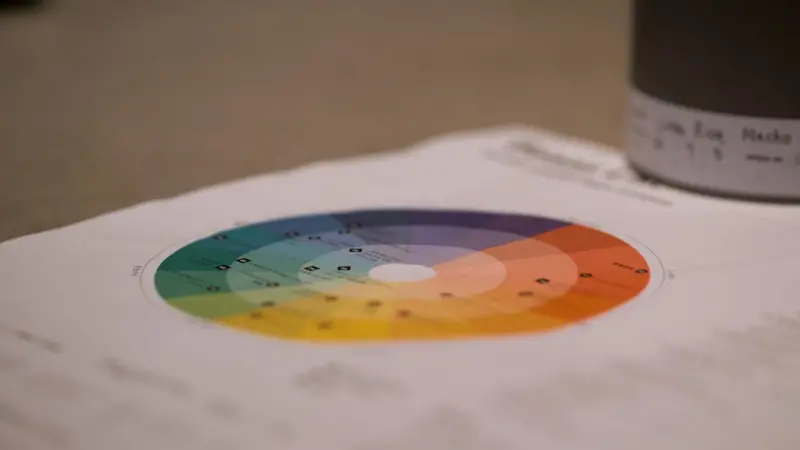
Why Your Plate Needs a Palette: The Science Behind Eating Colorful
A colorful plate isn’t just Instagram‑friendly—it’s a scientifically proven way to improve nutrition, balance blood sugar, and boost mood. Learn practic...Read More

Unlocking Ontario’s Indigenous Fishing Wisdom: A Modern Guide
Discover the timeless principles of Indigenous fishing in Ontario, learn practical ways to incorporate them into modern angling, and see how community co‑ops ...Read More

From Dock to Dish: Elevating Ontario’s Fresh‑Caught Fish in Home Kitchens
A fresh catch isn’t the end of the adventure—it’s the start of a culinary journey. Discover how Ontario anglers are filleting, cooking, and pairing their ...Read More

Storytelling as the Engine Behind B2B SaaS Marketing Success
Megan Morris explains why traditional B2B tactics fall short and how a five‑step storytelling framework can transform a SaaS product into a compelling hero’...Read More
0 Comments
Post Comment
You will need to Login or Register to comment on this post!