
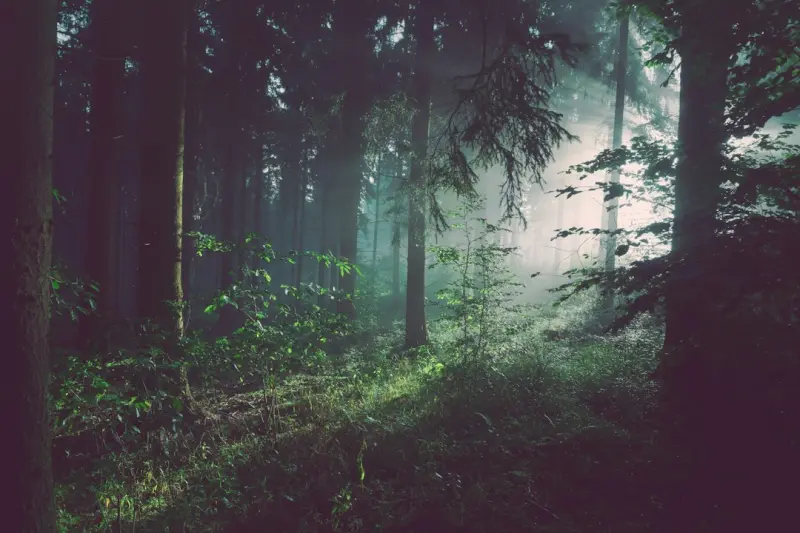
Stepping Into the Green: Forest Bathing as the Urban Health Reset
When I first heard the term “forest bathing,” I imagined a luxury spa treatment—maybe a scented candle, a warm stone massage, and a gentle waterfall soundtrack. The reality is far more elemental, and that’s exactly why it’s catching fire among busy professionals who crave a genuine reset without the fluff. Forest bathing, or shinrin‑yoku as the Japanese call it, isn’t a hike or a jog; it’s an intentional, sensory‑rich immersion in nature that taps into ancient physiological pathways we’ve largely ignored in our screen‑filled lives.
What Forest Bathing Actually Is (And Isn’t)
At its core, forest bathing is a practice of slow, mindful presence among trees. You’re not counting steps, chasing miles, or trying to torch calories. Instead, you let the forest’s sights, sounds, smells, and textures guide your attention. The goal is simple: reset the nervous system and invite the body’s innate healing mechanisms to take the wheel.
Contrast this with a typical cardio session where heart rate, distance, and pace dominate the narrative. Forest bathing flips the script. You might sit on a mossy log, feel the bark’s texture, inhale the terpene‑rich air, and listen to a chorus of birdsong. The activity is deliberately low‑intensity, but the physiological payoff is surprisingly high.
The Science Behind the Green
Researchers have been tracking the health benefits of forest immersion for decades, especially in Japan, where the practice originated. A handful of key findings consistently surface:
- Reduced cortisol levels: A 30‑minute session can lower the stress hormone cortisol by up to 20%, translating to calmer mornings and steadier focus.
- Enhanced immune function: Phytoncides—volatile organic compounds released by trees—stimulate the activity of natural killer (NK) cells, the body’s frontline defenders against viruses and tumors.
- Lower blood pressure and heart rate: The parasympathetic nervous system (the “rest‑and‑digest” branch) takes over, leading to measurable drops in systolic and diastolic pressure.
- Improved mood and cognition: Studies show increases in serotonin and dopamine after forest exposure, along with sharper attention and better working memory.
These results are not just lab curiosities. They’re the backbone of a growing body of evidence that suggests regular forest bathing can be a preventative health strategy—especially for those whose lives revolve around deadlines, emails, and constant connectivity.
Why It Matters to Urban Professionals
Let’s face it: the modern office environment is a perfect storm for chronic stress. Artificial lighting, perpetual notifications, and ergonomic mishaps combine to keep our bodies in a near‑constant fight‑or‑flight state. Over time, that stress cascade fuels inflammation, disrupts sleep, and erodes mental resilience.
Enter forest bathing. By stepping into a natural setting—even a modest urban park—you introduce a potent antidote to that stress loop. The practice provides three distinct benefits that align perfectly with the challenges of city life:
- Digital detox with purpose: Unlike a generic “turn off your phone” advice, forest bathing offers a structured, science‑backed method to disengage from digital overload while still feeling productive (you’re “investing” in health).
- Micro‑movement that matters: Gentle walking on uneven terrain engages stabilizer muscles and improves proprioception without the joint strain of a treadmill run.
- Social flexibility: Whether you go solo, with a colleague, or as part of a small wellness group, the experience scales to fit any social comfort level.
Getting Started: A No‑Gimmick Guide
All you need is a willingness to slow down and a few practical steps:
- Find your green space: It doesn’t have to be a dense forest. A city park, botanical garden, or even a tree‑lined riverwalk qualifies.
- Leave devices behind: Put your phone on airplane mode—or better yet, leave it at home. The goal is uninterrupted sensory immersion.
- Set an intention, not a timer: Rather than “I’ll stay for 20 minutes,” try “I’ll notice five different shades of green” or “I’ll focus on the sound of leaves rustling.”
- Engage all senses: Touch bark, smell the earth after rain, listen to the wind, and observe the play of light. The richer the sensory input, the deeper the physiological response.
- Reflect briefly: After your session, jot down any shifts in mood, energy, or thoughts. Over weeks, patterns will emerge, reinforcing the habit.
Integrating Forest Bathing Into a Busy Schedule
One of the biggest myths is that forest bathing requires an all‑day excursion. In reality, even a 15‑minute “green micro‑break” can deliver measurable benefits. Here’s a sample weekly cadence that fits a typical 9‑to‑5 calendar:
| Day | Activity | Duration |
|---|---|---|
| Monday | Morning commute through a tree‑lined avenue – mindful walking | 10 min |
| Wednesday | Lunch‑hour park pause – sit on a bench, breathe deeply | 15 min |
| Friday | After‑work forest walk – explore a nearby trail | 30 min |
| Saturday | Family nature hike – combine play with practice | 45 min |
By embedding these micro‑sessions, you create a rhythm that feels natural rather than forced.
Complementary Practices: From the Kitchen to the Mind
Forest bathing pairs beautifully with other evidence‑based health habits. For example, integrating nutrient-focused kitchen hacks can amplify the anti‑inflammatory effects you’re already unlocking outdoors. Think antioxidant‑rich smoothies after a walk, or a probiotic‑laden bowl that supports gut health—another pillar of stress resilience.
Similarly, the calming environment of a forest can serve as an ideal backdrop for emerging tech interventions. While you’re soaking in the green, you might later explore how virtual reality for pain relief is being used to simulate nature experiences for those who can’t physically access them. The synergy between real‑world immersion and digital augmentation is shaping a future where everyone can reap nature’s benefits, no matter the circumstance.
The Role of Community and Policy
Beyond individual practice, forest bathing highlights a broader conversation about urban planning and public health. Cities that prioritize green corridors, protect mature trees, and fund community gardens are essentially investing in a large‑scale, low‑cost health infrastructure. A health‑tech safety net that includes green space accessibility can help mitigate mental‑health crises long before they demand clinical intervention.
When local governments collaborate with wellness professionals, they can create “forest‑bath zones” in parks—marked pathways, guided audio prompts, and informational signage that educate visitors on the practice. Such initiatives democratize access, ensuring that the therapeutic power of trees isn’t limited to those who can afford weekend retreats.
Addressing Common Skepticisms
It’s natural to wonder whether a simple stroll can truly rival a gym session or a prescription. Here’s how I’ve responded to the most frequent pushback:
- “I don’t have time.” – Micro‑breaks prove that even a few minutes can reset cortisol levels. The key is consistency, not duration.
- “I live in a concrete jungle.” – Urban parks, rooftop gardens, and even indoor arboretums can deliver measurable phytoncide exposure.
- “I’m not a ‘nature person.’” – The practice is about curiosity, not expertise. Approach it as an experiment rather than a lifestyle overhaul.
- “I need scientific proof.” – Peer‑reviewed studies from the University of Tokyo, Harvard’s School of Public Health, and the US National Institutes of Health consistently demonstrate physiological benefits.
Future Trends: From Personal Ritual to Corporate Strategy
Companies are beginning to recognize forest bathing as a strategic wellness perk. Some forward‑thinking firms have started to schedule quarterly “green retreats” that replace traditional team‑building activities. Others are integrating nature‑based design into office spaces—think living walls, indoor trees, and daylight‑maximizing layouts.
Looking ahead, we can anticipate a convergence of three forces:
- Data‑driven personalization: Wearables will track heart‑rate variability and cortisol spikes, suggesting optimal moments for a forest‑bath break.
- Hybrid nature experiences: VR simulations of pristine forests will complement real‑world visits, especially for remote workers or those with limited mobility.
- Policy incentives: Municipal tax credits for employers that provide green‑space access could become a new lever for public‑health improvement.
Wrapping Up: Your Green Prescription
At the end of the day, forest bathing isn’t a fad; it’s a return to a biological baseline we’ve been drifting away from. By deliberately carving out moments of sensory immersion, you give your nervous system permission to reset, your immune system a boost, and your mind a sanctuary from the relentless digital chatter.
If you’ve been skeptical, I encourage you to treat the next park visit as a experiment. Bring a notebook, leave your phone behind, and simply notice how the world feels through your senses. You might be surprised at how a handful of minutes among the trees can ripple into clearer thoughts, steadier energy, and a quieter mind—exactly the kind of performance upgrade any professional can appreciate.
So, lace up those comfortable shoes, step outside, and let the forest do its quiet work. Your future self will thank you.

Related Posts
Rural Health in Focus: Breaking Down Barriers to Access
Rural health is a critical issue that requires immediate attention and action. Learn more about the ... Read More

When Walls Breathe: Harnessing Biophilic Design for Workplace Health
Discover the science behind biophilic design and practical steps to turn your home office into a nat... Read More

Sync Your Meals with Your Body Clock for Steady Energy and Better Health
Learn to boost energy and health by syncing meals to your body’s natural clock. Simple timing twea... Read More
Top Posts

When Smart School Locks Turn Into Silent Spies: A Parental Warning
Smart lockers promise convenience, but they also capture detailed usage data that can be sold, misused, or hacked. This parental warning explains the hidden ris...Read More
Regenerative Farming: A Strategic Blueprint for Canadian Growers
A deep dive into why regenerative practices are the next business advantage for Canadian farms, offering cost savings, premium market opportunities, and new rev...Read More

When Your Wristwatch Becomes a Personal Health Coach
Wearables have evolved from simple step counters to active health coaches that, alongside smart homes and community data, provide real‑time insights, predicti...Read More

The Dark Side of Online Gaming: A Warning to Canadian Parents
Online gaming platforms like Roblox have become a staple of modern entertainment, but they also pose a risk to children's safety. Learn how to protect your chil...Read More
0 Comments
Post Comment
You will need to Login or Register to comment on this post!