
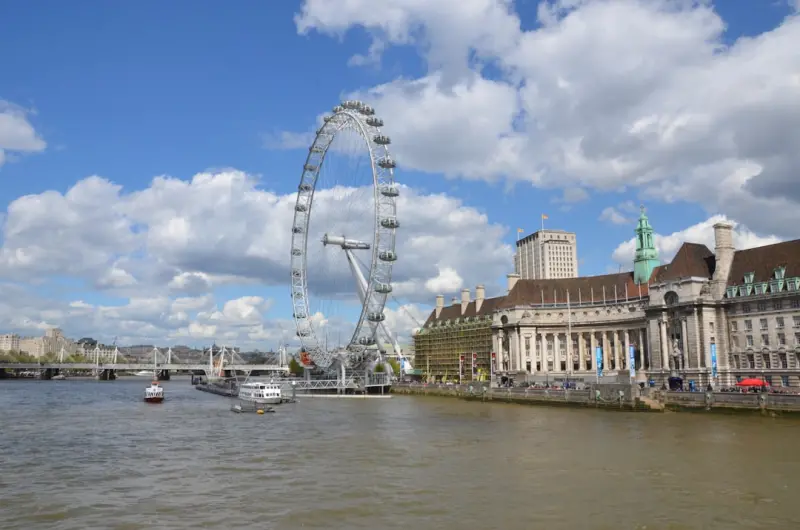
Why Sustainability Is No Longer a Niche on the High Seas and Open Roads
When I first booked a cruise as a kid, the idea of “green” was something I associated with a lawn mower’s idle hum, not a massive vessel slicing through the ocean. Today, stepping onto a modern cruise ship or boarding a sleek, long‑distance bus feels like entering a moving laboratory for climate‑smart travel. Operators are swapping heavy‑fuel engines for liquefied natural gas, installing solar arrays on deck, and redesigning itineraries to reduce empty‑run mileage. The shift isn’t about a single trend; it’s a full‑scale rethinking of how we move people while respecting the planet.
From Fuel‑Guzzling Beasts to Cleaner Propulsion
The most visible change is the powertrain. Leading cruise lines have invested millions in dual‑fuel engines that can run on LNG, cutting carbon dioxide emissions by up to 30 % compared with traditional oil‑based systems. Some newer vessels even trial hydrogen fuel cells, promising zero‑emission propulsion for short‑range maneuvers. On the road, bus companies are phasing out diesel in favor of electric and hybrid models. A single electric coach can travel 200 km on a full charge, delivering the same passenger capacity as a diesel counterpart while producing no tailpipe emissions.
What does this mean for a traveler? Less soot on the deck, cleaner air in port cities, and a quieter ride—both on water and on asphalt. The experience itself becomes part of the sustainability story, allowing guests to feel proud of the footprint they’re leaving behind.
Designing Itineraries That Respect Ecosystems
Beyond engines, the route planning process has been overhauled. Cruise itineraries now prioritize “low‑impact ports,” where the environmental carrying capacity is carefully assessed. Ships spend shorter dock times, reducing disturbance to marine wildlife, and often partner with local conservation groups to fund reef monitoring projects. Similarly, long‑distance bus tours are adopting “hub‑and‑spoke” schedules that bundle multiple nearby attractions into a single day, minimizing the number of trips needed to see the same sights.
One clever tactic is the “green corridor” concept: a series of stops connected by a single, optimized vehicle. Passengers get the same depth of cultural immersion without the cumulative emissions that would accrue from separate, smaller trips.
Zero‑Waste Kitchens and Circular Hospitality
Food waste is a silent culprit on any travel platform. On cruise ships, the kitchen has become a hub of circularity. Leftover bread is turned into croutons, vegetable trimmings are composted and later used in onboard gardens, and surplus fish is donated to coastal communities before it spoils. Bus tour operators, though smaller in scale, are adopting similar practices by sourcing meals from local farms that practice regenerative agriculture, thereby shortening supply chains and reducing food miles.
These initiatives echo the broader movement toward a zero‑waste mindset, turning a traditional source of waste into a resource loop that benefits both the environment and the local economy.
Carbon Offsetting That Actually Works
Offset programs have been criticized for being vague or poorly monitored. The latest wave of cruise and bus operators is responding with transparent, science‑based offsetting. Passengers are given the option to purchase credits that fund verified projects—such as reforestation in the Amazon or methane capture at dairy farms. The key difference now is real‑time reporting: travelers can see, via an app, exactly how many tonnes of CO₂ their journey helped offset, complete with satellite‑verified data.
This level of accountability transforms a vague “I’m offsetting” gesture into a tangible contribution that aligns with global climate goals.
Tech‑Enabled Transparency and Guest Empowerment
Data dashboards are no longer confined to corporate boardrooms. Onboard tablets and bus seat‑back screens provide live updates on fuel consumption, energy generation from solar panels, and waste diversion rates. Guests can tap into these metrics, compare them with previous trips, and even set personal sustainability targets for future voyages.
When travelers see the numbers, the abstract concept of “green travel” becomes concrete, encouraging more mindful decisions—like opting for a refillable water bottle or choosing a shore excursion that supports local artisans.
Local Partnerships: Turning Stops Into Sustainable Experiences
The real magic happens when cruise lines and bus tours collaborate with destination communities. In the Pacific Northwest, a cruise line has partnered with Indigenous marine guardians to offer guided tide‑pool walks that teach visitors about kelp forest health while supporting cultural preservation. In the Canadian Prairies, a bus tour company works with family farms to host farm‑to‑table lunches, showcasing produce grown without synthetic pesticides.
These collaborations do more than enrich the itinerary; they embed economic benefits directly into the places travelers visit, fostering a virtuous cycle of sustainable tourism.
Wellness at Sea and on the Road
Sustainability isn’t only about carbon. It’s also about personal health. Modern cruise ships now feature dedicated wellness decks powered by renewable energy, offering yoga classes at sunrise, hydroponic gardens for fresh herbs, and salt‑water pools that reduce chemical usage. Long‑distance buses are incorporating ergonomic seating, air‑filtration systems, and onboard mindfulness sessions, turning the journey itself into a restorative experience.
By aligning environmental and personal wellbeing, operators tap into a growing demographic that values holistic travel.
Inclusive Design for All Travelers
Accessibility is a core pillar of the new sustainability ethos. Cruise cabins now include universal‑design bathrooms, tactile navigation aids for visually impaired guests, and wheelchair‑friendly gangways. Bus fleets are being retrofitted with low‑floor entries, audio‑visual stop announcements, and secure wheelchair spaces. When travel is inclusive, it reduces the need for alternative, often less efficient, transport arrangements, thereby trimming overall emissions.
Economic Incentives: Loyalty That Rewards Green Choices
Travel loyalty programs are evolving beyond points for cabin upgrades. Some cruise lines now award extra credits for passengers who choose shore excursions that support marine conservation, while bus operators offer discounts for repeat riders who consistently select routes with the lowest carbon intensity. These incentives nudge travelers toward greener options without sacrificing the perks they love.
For a deeper look at how loyalty can reshape experiences, see The Sound of Loyalty: How Restaurants Are Turning Meals into Memorable Experiences.
Entertainment Evolution on the Move
Entertainment is no longer an afterthought; it’s integrated with sustainability messaging. Cruise ships host talks by marine biologists, virtual reality dives that showcase coral restoration, and live music powered by kinetic floor tiles that generate electricity as guests dance. Bus tours are experimenting with pop‑up stages at scenic stops, allowing local musicians to perform while passengers enjoy low‑impact, high‑energy entertainment.
Read about another innovative entertainment model in Canada’s Hybrid Entertainment Surge: Pop‑Up Stages, Virtual Concerts, and Indigenous Gaming, which explores similar cross‑medium creativity.
Future Outlook: The Road (and Sea) to Net‑Zero
Industry analysts project that by the end of the next decade, a majority of new cruise ships will be built with carbon‑neutral designs, and electric buses will dominate intercity travel in many regions. The pace is accelerating because regulators, investors, and travelers are demanding measurable results.
For those of us who love the romance of a sunrise over the Atlantic or the rolling hills glimpsed from a coach window, the good news is that we no longer have to choose between awe‑inspiring experiences and planetary health. The two are converging, driven by technology, policy, and a collective desire to leave a lighter footprint.
So the next time you consider a vacation, ask yourself: Do you want a trip that simply takes you from point A to B, or one that actively contributes to a healthier world? The answer will shape not only your memories but also the future of travel itself.

Related Posts

Charting Personalized Horizons: How Data Is Redefining Cruises and Bus Tours
Explore the rise of hyper‑personalized travel, where data and AI craft bespoke cruise and bus tour... Read More
Why City Cruises Should Be Your Next Adventure
Are you yearning for a unique perspective, a fresh breeze, and a memory that will last a lifetime? F... Read More

Mini‑Getaways at Sea and on the Road: The Rise of Micro‑Adventure Cruises and Bus Tours
Micro‑adventures are redefining travel: short cruises and boutique bus tours deliver deep, themed ... Read More
Top Posts
Remote Work Retreats: Redefining Travel for Professionals
Remote work retreats merge high‑impact productivity with authentic cultural immersion, providing professionals a sustainable, rewarding alternative to traditi...Read More
Warm Hearts, Green Homes: Sustainable Heating Choices for Canadian Winters
Discover how Canadians can stay cozy this winter with sustainable heating options like modern wood stoves, pellet boilers, heat pumps, and community heat networ...Read More

Canada’s New Cabin Craze: How Remote Work Is Rewriting Rural Living
Explore the rise of cabin living in Canada, where remote work, mental‑health benefits, and eco‑friendly design converge to create a new rural lifestyle....Read More

Urban Foraging: How City Streets Feed the Modern Foodie
Explore the rise of urban foraging, from identifying edible wild greens in city parks to integrating them into restaurant menus, and learn how to safely harvest...Read More
0 Comments
Post Comment
You will need to Login or Register to comment on this post!