
Beyond the Tackle Box: Rediscovering Ontario’s Hidden Fishing Sanctuaries
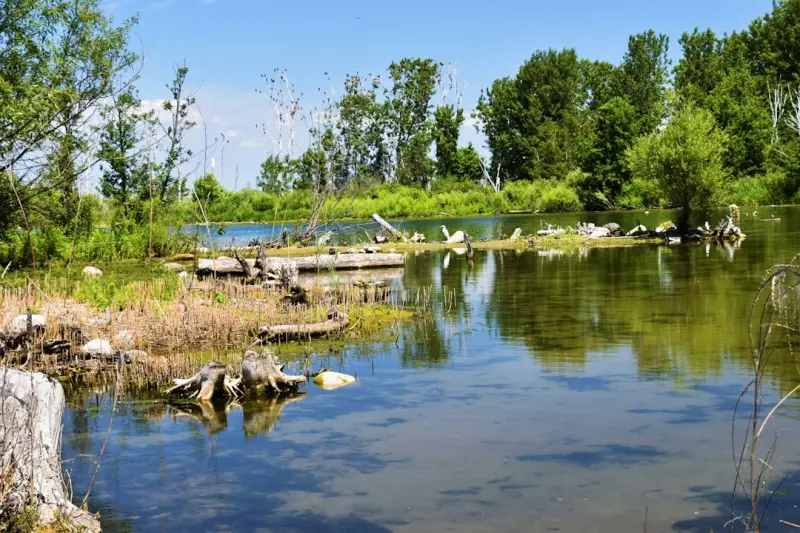
When I first unpacked my weather‑worn rod on the shores of Lake Simcoe, I expected the usual chorus of bass and pike that every guidebook promises. Instead, I found a quiet cove where the water ran as clear as glass and the only sound was the distant call of a loon. That moment sparked a lingering question: how many of Ontario’s most rewarding fishing spots remain tucked away, waiting for a curious angler to stumble upon them?
Ontario is a province of endless waterways—great lakes, sprawling rivers, hidden ponds, and forest‑lined tributaries. Yet the narrative often revolves around the famed spots: the mighty Mackenzie, the bustling Ottawa River, the famed high‑tech fishing hubs. While those destinations deserve their fame, there’s a quieter, more intimate side to the sport that thrives on discovery, patience, and a touch of local folklore.
Why the Lesser‑Known Matters
There’s an undeniable charm to fishing where the crowds haven’t yet laid their mats. The benefits extend beyond the simple joy of a solitary sunrise:
- Unrivaled solitude: Fewer anglers mean less competition for the same bite, giving you a better chance to connect with the rhythm of the water.
- Ecological intimacy: Smaller, less‑traveled bodies of water often host unique fish populations that have adapted to micro‑habitats—think dwarf trout in high‑altitude streams or hidden catfish in moss‑covered backwaters.
- Community ties: Engaging with local anglers and longtime residents opens doors to stories, legends, and tips that no online forum can replicate.
In my own experience, the best catches have come after a conversation with a retired logger who swore by a secluded creek near Parry Sound, a place he called “the fish whisperer’s nook.” The creek, fed by an underground spring, maintains a steady temperature that lures trout even when surrounding lakes are too warm.
Mapping the Unmarked: A Personal Blueprint
Finding these hidden gems doesn’t require satellite imagery or expensive gear—just a willingness to look beyond the usual maps. Below is the method I’ve refined over countless weekend trips:
- Follow the old roads. Provincial highways often parallel forgotten streams. Pull over at a roadside ditch, listen for the murmur of water, and explore the bank.
- Listen for wildlife. The chorus of frogs, the flutter of dragonflies, or the occasional splash of a beaver can indicate a thriving aquatic ecosystem.
- Consult the locals. Small cafés, bait shops, and community halls are treasure troves of anecdotal knowledge. Ask about “the spot where the bass bite after a rainstorm.”
- Seasonal scouting. Early spring melt and late‑fall leaf‑fall create temporary pools and channels that become hotspots for feeding fish.
- Respect the environment. Practice catch‑and‑release where appropriate, and always leave the area as pristine as you found it.
These steps have led me to discover places like a moss‑laden inlet on the shores of Lake St. Clair, where I landed a monster walleye that locals still talk about, and a crystal‑clear spring-fed pond tucked behind a cedar stand in the Kawartha Lakes region, home to a surprisingly aggressive population of yellow perch.
Stories That Keep the Waters Alive
Every hidden spot carries its own narrative, often intertwined with the people who have fished there for generations. In the northern town of Elliot Lake, an elderly fisherman named Marcel told me of a “silver ribbon”—a thin, silvery fish that only appears during the first full moon of October. He swore it’s a sign of good luck, and that catching one brings prosperity for the rest of the year. While I haven’t yet witnessed the silver ribbon, the story has added a layer of enchantment to each night I spend under the moonlit sky.
Further north, near the shores of Lake Nipissing, there’s a legend of “the Whispering Brook.” According to the tale, the water itself hums a low tone whenever a large pike is lurking nearby. I tested the myth by sitting quietly on a fallen log at dawn; after a patient half‑hour, I felt a subtle vibration in the air and, moments later, hooked a hefty pike that fought for nearly ten minutes.
These stories remind me that fishing is not just a sport—it’s a dialogue with nature, culture, and history. They also highlight why preserving these secluded spots matters: each one is a living archive of community memory.
Gear Tips for the Off‑The‑Beaten‑Path Angler
While the fish may be the star, the right equipment can make or break a day in a remote setting. Here are a few practical suggestions that have served me well on my quiet expeditions:
- Lightweight, multi‑tool rods: A 7‑foot, medium‑action rod with a detachable reel saves space in a backpack and can handle both trout and larger bass.
- Compact dry‑bag: Protect your electronics, snacks, and change of clothes from unexpected rain showers.
- Silicone‑based lures: These are less likely to snag on submerged vegetation common in hidden coves.
- Portable fish finder: Even a modest sonar device can reveal depth contours and schools in murky backwaters.
- Eco‑friendly line: Choose biodegradable or low‑impact monofilament to minimize environmental footprints.
One piece of gear that often goes unnoticed is a simple colorful nutrition kit. Packing a few slices of fruit, a handful of nuts, and a reusable water bottle keeps your energy steady without relying on processed snacks that can attract wildlife and disrupt the natural balance.
Seasonal Secrets: When to Chase the Quiet
Ontario’s climate offers distinct windows for optimal fishing, but the hidden spots each have their own rhythm. Below is a quick guide to align your trips with nature’s calendar:
| Season | Key Conditions | Target Species |
|---|---|---|
| Early Spring (Mar‑Apr) | Snowmelt creates shallow, oxygen‑rich runs | Brook trout, grayling |
| Late Spring (May‑Jun) | Warmer water, insect hatches | Smallmouth bass, northern pike |
| Summer (Jul‑Aug) | Shaded coves stay cool | Walleye, yellow perch |
| Early Fall (Sep‑Oct) | Cooling water, spawning runs | Salmon, lake trout |
| Late Fall (Nov‑Dec) | Quiet waters, less pressure | Lake trout, steelhead |
For instance, a secluded inlet near the French River system becomes a hotbed for salmon during the September spawning rush. By arriving before dawn and setting a drift net near the river mouth, I’ve consistently landed multiple runs without the crowds that flock to the main river channels.
Respecting the Land: Sustainable Practices for the Quiet Angler
Preserving the serenity of these hidden waterways is a responsibility each angler should shoulder. Here are some habits that safeguard the ecosystems we love:
- Leave no trace: Pack out all trash, even biodegradable items, as they can disrupt aquatic life.
- Mindful catch limits: Adhere to Ontario’s regulations, and consider voluntary limits in especially fragile spots.
- Use barbless hooks: They reduce injury to fish and make release easier.
- Support local conservation: Volunteer with regional groups that monitor water quality and habitat restoration.
In the Muskoka region, a group of anglers organized a “clean‑up cast” where they combined a fishing trip with shoreline litter collection. The effort not only cleared debris but also sparked a dialogue among participants about protecting lesser‑known waters for future generations.
Connecting the Dots: A Broader Perspective
While this article celebrates the intimacy of hidden fishing spots, it also hints at a larger picture. The very act of exploring lesser‑traveled waterways encourages us to think about water stewardship, community heritage, and even culinary creativity. After a day on a secluded pond, I often head home to prepare a simple pan‑fried trout, seasoning it with herbs gathered from the same forested bank. The result isn’t just a meal; it’s a story that ties the taste of the fish to the sound of the wind through the trees.
If you’re inspired to broaden your Ontario fishing repertoire, consider pairing your next adventure with a mindful travel mindset. The serendipitous travel approach encourages you to let the road—or the river—guide you, rather than a rigid itinerary. In practice, this means letting a sudden rainstorm steer you toward an unmarked creek, or following a distant bird call that leads to a hidden lake.
Final Thoughts: The Quiet Call of Uncharted Waters
Ontario’s waterways are a tapestry of stories, ecosystems, and opportunities. By venturing beyond the popular lakes and well‑marked rivers, you open yourself to a richer, more personal connection with the province’s natural bounty. Whether you’re chasing the elusive silver ribbon, swapping tales with a local elder, or simply savoring the sound of a line drifting through still water, the hidden fishing sanctuaries of Ontario promise moments that linger long after the last cast.
So next time you hear the whisper of the wind through the pines, pack your gear, leave the crowds behind, and let the quiet waters reveal their secrets. Happy fishing.

Related Posts
Discovering Ontario’s Hidden Fishing Gems: A Personal Journey
From remote lakes to sustainable tackle, join an Ontario angler’s adventure discovering hidden wat... Read More
Ontario’s Secret Fishing Spots: A Local’s Guide
From quiet tributaries to secret lake coves, I share Ontario’s hidden fishing gems, sustainable ti... Read More
Ontario Fishing: A Personal Voyage Through Seasons and Secrets
Dive into Ontario's fishing world with personal stories, seasonal tips, hidden hotspots, gear advice... Read More
Top Posts

Regenerative Roots: How Canadian Farmers Turn Soil into Climate Solutions
Canadian farmers are reshaping agriculture by adopting regenerative methods that improve soil health, generate carbon credits, and leverage affordable tech bund...Read More

Canadian Farmers Forge Climate‑Smart Cooperatives for a Sustainable Future
Canadian farmers are banding together in climate‑smart cooperatives, sharing renewable energy, precision tech, and market access to build a sustainable, resil...Read More

When Algorithms Draft Contracts: Legal Risks and Opportunities
AI can draft contracts in minutes, but the technology introduces new accountability, privacy, and bias challenges. This article breaks down the risks and offers...Read More

Fermented Foods: The Unexpected Ally for Modern Professionals
Fermented foods offer a low‑effort, high‑impact way to boost gut health, immunity, and mental clarity—perfect for busy professionals seeking sustainable n...Read More
0 Comments
Post Comment
You will need to Login or Register to comment on this post!