
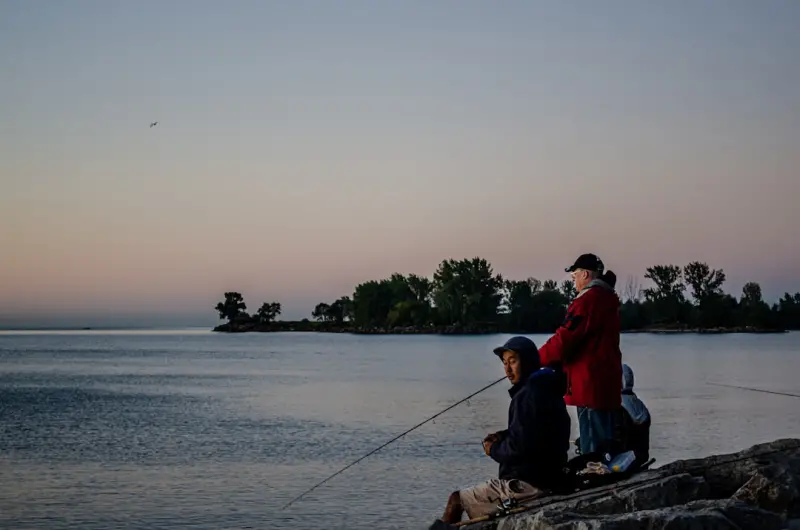
Seeking Solace in Ontario’s Hidden Fishing Sanctuaries
There’s a whisper that travels across the surface of a still lake at dawn, a murmur that only the patient ears of a dedicated angler can hear. It isn’t the splash of a bite, but the quiet promise that somewhere beyond the crowded shoreline, a secret fishing spot waits to be found. For me, the thrill of Ontario fishing has never been about the trophy or the Instagram‑worthy catch; it’s about the places that remain untouched, the stories that linger beneath the surface, and the rituals that connect us to the land and its ancestors.
The Allure of the Uncharted Waterways
Ontario boasts more than 250,000 lakes, yet only a fraction are frequented by tourists or even local anglers. The rest remain hidden gems, known only to a handful of longtime residents, Indigenous custodians, and a few adventurous souls who’ve taken the time to explore off‑the‑beaten‑path rivers and back‑country lakes. These are the sanctuaries where the water is so clear you can see the ancient rocks beneath, where the only soundtrack is the call of loons and the rustle of birch leaves.
My first encounter with such a place happened on a crisp October morning. I’d driven an hour past the familiar “fishing‑town” signs, guided only by an old paper map annotated with hand‑drawn circles—marks left by my grandfather, a seasoned guide who believed the best spots were “the ones you have to walk for.” After a short hike through a forest carpeted in golden foliage, I stumbled upon a secluded bay on an unnamed lake. The water was a glass‑like mirror, and a single rainbow trout broke the surface, almost as if it were greeting me.
Why These Sanctuaries Matter
Beyond the personal satisfaction of a quiet day on the water, these hidden locations serve a deeper purpose. They act as natural refuges for fish populations that are increasingly stressed by over‑fishing, habitat loss, and climate change. By dispersing angling pressure away from popular hotspots, we give ecosystems the breathing room they need to recover and thrive.
Ecologically, these areas often support a higher diversity of species. For instance, the cool, oxygen‑rich streams that feed into remote lakes provide ideal spawning grounds for walleye, northern pike, and lake trout. The surrounding wetlands act as filters, trapping sediment and pollutants before they can enter the water, maintaining the pristine clarity that anglers cherish.
From a cultural perspective, many of these sanctuaries sit on lands that have been stewarded by Indigenous peoples for millennia. The knowledge of seasonal fish runs, the subtle changes in water temperature, and the proper techniques for sustainable harvest are all part of an oral tradition that predates modern recreational fishing. Honouring these places means acknowledging that partnership.
Listening to the Land: Lessons from Indigenous Stewardship
In recent years, I have been fortunate to sit down with members of the Anishinaabe community who have shared their deep connection to the water. They taught me that a truly respectful fishing experience begins long before the line is cast. It starts with a moment of gratitude, a quiet acknowledgment of the river’s generosity, and a commitment to leave no trace.
These teachings have reshaped how I approach each outing. I now take extra care to remove any debris from the shoreline, to use barbless hooks when practicing catch‑and‑release, and to record (on a simple notebook, not a high‑tech app) the health of the fish I encounter. This humble documentation mirrors the ethos of Indigenous stewardship of fisheries that blends tradition with contemporary responsibility.
Community‑Led Adventures: The New Way to Discover Hidden Spots
One of the most rewarding trends I’ve seen is the rise of community‑led fishing trips. Small groups of local anglers, guided by seasoned residents or Indigenous knowledge‑keepers, organize outings that focus on exploration rather than competition. These adventures foster a sense of belonging and shared purpose, turning strangers into a supportive network that looks out for each other and the environment.
Through platforms that emphasize collaborative planning, participants can share GPS coordinates, detailed descriptions of shoreline features, and notes on fish behavior without over‑exposing the location to mass tourism. The principle is simple: keep the treasure map in the hands of those who respect it, and let the sanctuaries remain a sanctuary.
If you’re curious about how these initiatives are reshaping the experience, take a look at the story of community‑led fishing trips. It illustrates how collective stewardship can enhance both the sport and the ecosystems that sustain it.
Practical Tips for the Ethical Explorer
- Research Before You Go: Use topographic maps, local folklore, and community forums to identify lesser‑known bodies of water. Avoid relying solely on popular fishing apps that highlight heavily trafficked spots.
- Pack Light, Pack Right: A minimalist gear set reduces the impact on the shoreline. Opt for a compact rod, a set of barbless hooks, and a reusable water bottle.
- Practice Catch‑and‑Release with Care: Handle fish with wet hands, keep them out of the water for no longer than 15 seconds, and release them back gently.
- Leave No Trace: Pack out everything you bring in, including fishing line, which can entangle wildlife if left behind.
- Document, Don’t Dominate: Record observations in a notebook or a low‑impact digital log, focusing on species health, water conditions, and any signs of environmental stress.
Finding the Sanctuaries: A Guided Walkthrough
Below is a step‑by‑step guide to uncovering your own piece of Ontario’s hidden fishing heaven:
- Start with a Regional Focus: Choose a district you’re comfortable traveling to—Georgian Bay, the Kawarthas, or the vast expanse of the Algoma region are all excellent starting points.
- Consult Local Histories: Libraries and historical societies often hold old surveys and anecdotal accounts that hint at once‑popular spots now forgotten.
- Network with Residents: Visit a local coffee shop or bait‑and‑tackle shop and ask about “the lake the locals don’t fish.” You’ll be surprised at the willingness of people to share secret spots when approached respectfully.
- Plan a Low‑Impact Access Route: Many remote lakes are accessible via unpaved roads or hiking trails. Use a high‑clearance vehicle or a sturdy pair of boots, and be mindful of private property boundaries.
- Observe the Habitat: Look for clear water, abundant aquatic vegetation, and a variety of baitfish. These are good indicators of a healthy ecosystem.
- Test the Waters: Cast your line early in the day when fish are most active. If the water is calm and the light is low, you’re likely to experience a serene fishing session.
- Reflect and Record: After your day, take a few moments to write down what you observed—the water temperature, the type of fish caught, and any wildlife sightings.
Embracing the Quiet: Ambient Wellness on the Water
There’s an emerging interest in how the natural rhythm of a lake can support mental well‑being. The subtle sounds of water lapping against a dock, the gentle sway of a kayak, and the occasional call of a loon create an ambient environment that reduces stress and fosters mindfulness. Some anglers are pairing their outings with simple wellness practices: deep breathing, brief meditation, or even a quiet gratitude journal.
While high‑tech gadgets have their place, the true power lies in unplugging. I once joined a fellow angler who brought a small, solar‑charged speaker playing soft instrumental music that blended seamlessly with the natural soundscape. It wasn’t about the volume; it was about enhancing the feeling of immersion—an experience reminiscent of ambient wellness tech on the water, but grounded in the simplicity of a lake at sunrise.
The Future of Ontario’s Hidden Fishing Sanctuaries
Preserving these secret spots is a collective responsibility. As climate patterns shift, water levels fluctuate, and invasive species encroach, the resilience of these ecosystems will depend on the vigilance of anglers, Indigenous custodians, and community members alike.
Policy wise, encouraging the creation of protected “fishing refuges” can offer legal safeguards against over‑development. Incentivizing private landowners to maintain low‑impact access points through tax breaks or stewardship programs can also expand the network of safe habitats.
On the ground, each thoughtful catch, each piece of trash removed, each respectful interaction with the land contributes to a larger narrative: one where Ontario’s waterways remain vibrant corridors for both wildlife and the human spirit.
Conclusion: A Call to Gentle Adventure
If you have ever felt the tug of a line under a sky that seems to stretch forever, you already understand the pull of Ontario’s hidden fishing sanctuaries. They are waiting—still, silent, and full of promise—for those willing to seek them out with humility, curiosity, and a reverence for the natural world. Pack your gear, respect the waters, and let the lake reveal its stories, one gentle ripple at a time.

Related Posts
Mapping Ontario’s Hidden Fishing Microhabitats: A New Way to Find the Trophy
Learn a fresh, data‑driven approach to Ontario fishing by mapping hidden microhabitats, sharing in... Read More
Reeling Through Ontario: Seasons, Secrets, and Stories
From spring melt to winter ice, I share Ontario’s prime fishing spots, secret gems, and tasty ways... Read More
Fishing with a Conscience: Sustainable Practices on Ontario’s Lakes and Rivers
Discover how to fish responsibly in Ontario with sustainable gear, catch‑and‑release techniques,... Read More
Top Posts

How Canadian Farmers Are Turning Data Into a Competitive Edge
Canadian farmers are adopting sensors, satellite imagery, and digital platforms to make data‑driven decisions, improve sustainability, and strengthen communit...Read More

Capturing the Magic of Prom and Graduation: A Rural Perspective
Prom and graduation are significant milestones in a student's life. In rural communities, these events require creativity, resilience, and community support. Le...Read More

Wearable Wellness: How Smart Sensors Are Redefining Preventive Health
Wearable devices have evolved into continuous health allies, using advanced sensors and AI to provide real‑time, personalized insights that help prevent illne...Read More

Wellness on the Move: Cruise and Bus Tours Redefined
Learn to turn any cruise or bus tour into a personal wellness retreat through mindful routines, community connections, and purposeful itinerary design, extendin...Read More
0 Comments
Post Comment
You will need to Login or Register to comment on this post!