
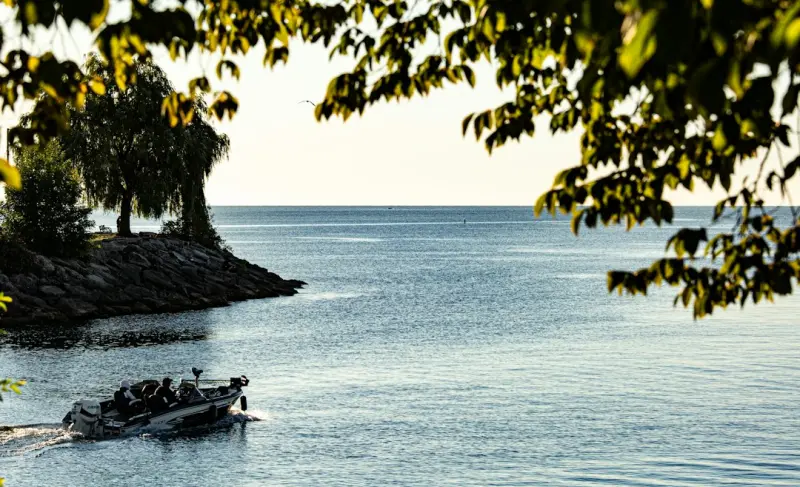
When I first took my dad out onto Lake Simcoe as a kid, the world felt as wide as the water itself. The early morning mist, the low hum of the boat motor, and the sudden tug on the line were all part of a ritual that has evolved into a lifelong obsession. Today, that same sense of wonder drives me to chase the quieter, less‑traveled corners of Ontario’s fishing landscape. In this piece I’ll share the hidden gems, the gear tweaks, and the stories that keep me coming back—long after the crowds have cleared.
Why the “Off‑The‑Radar” Spots Matter
Ontario boasts more than 250,000 lakes, yet the majority of anglers flock to the same well‑known hotspots—Lake Ontario’s western shore, Georgian Bay, and the famed trout rivers of the Algonquin region. The result? Overcrowded boat ramps, choppy water, and a competitive atmosphere that can dampen the pure joy of the sport.
Venturing into lesser‑known waters does more than provide solitude; it opens a portal to ecosystems that have been relatively untouched by heavy fishing pressure. These spots often host distinct fish populations, unique bait preferences, and seasonal rhythms that differ from the mainstream locations. The payoff? Bigger bites, fresher stories, and a deeper connection to Ontario’s diverse aquatic heritage.
Mapping the Unexplored: Three Must‑Visit Hidden Havens
- Lake of the Woods (North Shore) – While the southern reaches of this massive lake draw crowds, the northern inlet near the town of Sioux Narrows remains a quiet sanctuary. Here you’ll find trophy‑size walleye and northern pike stalking the shallow bays, especially in late spring when water temperatures hover around 10‑12 °C.
- Little River, Nipissing District – Tucked away in the boreal forest, this modest river is a haven for brook trout. The crystal‑clear water runs over limestone beds, creating a perfect hatching ground for insects that keep the trout feeding aggressively from June through September.
- Gull Bay on Lake Simcoe’s Eastern Edge – Most anglers head to the western shores, but the eastern coves of Gull Bay remain under‑utilized. The bay’s complex shoreline, dotted with submerged logs and weed beds, provides an ideal structure for largemouth bass and muskellunge during the summer months.
Each of these locations rewards the patient angler with not only a catch but also a story worth retelling at the next campfire.
Gear Tweaks for the Remote Angler
When you’re heading off the beaten path, the equipment you bring can be the difference between a triumphant return and a frustrating day on the water. Below are a few modifications that have saved me more than once.
1. Compact Trolling Motors
Traditional trolling motors can be bulky and heavy, making them a hassle to transport on back‑country trips. I’ve switched to a lightweight, battery‑operated model that folds into a compact case. It delivers enough thrust to keep your line moving at a steady 1.5 knots without draining the battery before you’ve even reached the prime fishing zone.
2. Modular Rod Systems
Instead of lugging a full‑length rod for each species, I use a modular rod that breaks down into three sections, each interchangeable with different blanks. Pair a fast‑action graphite tip for panfish with a heavier, medium‑action section for pike, and you have a versatile setup that fits in a standard tackle box.
3. Multi‑Layered Bait Boxes
In remote spots, you often need to adapt on the fly. A multi‑layered bait box with removable compartments lets you store live bait, artificial lures, and even a small cooler for fresh catches. The secret? Line the bottom with a thin foam layer to insulate the live bait from temperature swings.
4. Portable Water Quality Kit
Understanding the water’s chemistry can give you an edge. A compact kit that measures pH, dissolved oxygen, and temperature can help you pinpoint where fish are congregating, especially in lakes that undergo seasonal stratification.
Tech‑Enhanced Angling Without Losing the Soul
It’s tempting to think that high‑tech gadgets belong only in big‑game fisheries, but even a modest setup can elevate your experience on Ontario’s secluded waters. I rely on a trio of tools that keep me informed without turning the outing into a screen‑obsessed marathon.
- Mobile Mapping Apps – A simple app that overlays bathymetric data onto satellite imagery helps you spot underwater ledges, drop‑offs, and weed lines. It’s like having a mini sonar in your pocket, perfect for those hidden bays where the fish love to hide.
- Weather‑Alert Wearables – A wrist‑worn device that vibrates when wind speeds exceed your preset threshold or when a cold front approaches can be a lifesaver, especially when you’re far from shore.
- Drone Spotters – I’ve experimented with a lightweight drone to scout shallow inlets before launching the boat. The aerial view reveals surface disturbances—schools of baitfish, floating vegetation, or even a beaver dam that might be directing fish migration.
While technology can give you an advantage, it’s essential to balance it with the traditional feel of casting a line and waiting for the bite. The best moments still happen when you’re simply listening to the water and watching the horizon.
Local Lore: The Stories That Keep the Waters Alive
Every hidden spot in Ontario comes with its own folklore, passed down through generations of anglers and Indigenous communities. Here are a couple of tales that have become part of my own fishing narrative.
The “Silver Ghost” of Little River
According to local legend, a massive, silver‑scaled trout roams the deeper pools of Little River every August. Known as the “Silver Ghost,” this fish allegedly jumps higher than any other in the region, making it a prized trophy for any angler fortunate enough to encounter it. Whether myth or reality, the story has inspired countless early‑morning trips, and many claim to have felt a sudden, powerful tug that vanished as quickly as it appeared.
The “Moonlit Bass” of Gull Bay
Fishermen in the Gull Bay area swear that on clear, full‑moon nights, largemouth bass become unusually aggressive, striking at any lure that glimmers in the moonlight. Some say the moon’s reflection on the water mimics the flash of a wounded minnow, triggering a predatory frenzy. I’ve tried this theory out on a few moonlit evenings, and the bite was indeed relentless—proving that sometimes folklore aligns with biology.
Cooking the Catch: From River to Table
Finding the perfect spot is only half the adventure; the other half is turning that fresh catch into a memorable meal. Ontario’s waters yield a diverse array of species, each with its own culinary personality.
Pan‑Seared Walleye with Herb‑Butter
Walleye’s mild flavor shines when pan‑seared in butter, finished with fresh dill, parsley, and a squeeze of lemon. Pair it with a side of roasted root vegetables, and you have a dish that feels both rustic and refined.
Smoked Trout on Cedar Planks
For a touch of campfire elegance, wrap cleaned trout in cedar planks, drizzle with maple‑glazed soy sauce, and grill over medium heat. The cedar imparts a subtle smoky aroma that complements the trout’s natural sweetness.
Grilled Bass with Garlic‑Chili Rub
Mix minced garlic, crushed red pepper flakes, and a dash of smoked paprika. Coat the bass fillets, then grill them skin‑side down for five minutes per side. The result is a spicy, smoky crust that highlights the fish’s firm texture.
Cooking your catch right at the site not only reduces waste but also deepens the connection between you and the environment—a reminder that every successful outing is a partnership with nature.
Preserving the Quiet: Responsible Practices for Remote Waters
Even if you’re fishing in an obscure location, you still have a responsibility to protect the environment for future generations. Here are a few low‑impact habits that make a big difference.
- Pack It In, Pack It Out – Bring a durable, reusable trash bag and collect all waste, including fishing line, which can be harmful to wildlife.
- Use Non‑Lead Tackle – Lead sinks and jigs can leach toxins into the water, affecting both fish and the broader food web. Opt for tin, tungsten, or steel alternatives.
- Respect Indigenous Land – Many remote fishing sites sit on or near Indigenous territories. Always seek permission where required and honor any cultural guidelines.
- Limit Motor Use – In shallow bays, switch to paddle or row to minimize shoreline erosion and disturbance to spawning grounds.
Connecting the Dots: How Ontario Fishing Mirrors Broader Trends
While this article focuses on the joys of secluded angling, there’s a broader narrative at play. Across Canada, people are seeking more personalized, immersive experiences that blend tradition with modern convenience. The same desire that fuels microbrew innovations is also pushing anglers toward unique, location‑specific adventures.
Moreover, the growth of community‑focused initiatives—like the rise of local fishery cooperatives—shows how anglers are banding together to protect their favorite spots while sharing knowledge and resources. This collaborative spirit echoes the principles found in co‑creating value across industries, underscoring the interconnectedness of modern pursuits.
Final Cast: Your Next Adventure Awaits
Ontario’s hidden fishing spots are waiting for the curious and the patient. Whether you’re chasing the legendary “Silver Ghost,” testing a new modular rod, or simply savoring a fresh‑caught trout by a campfire, the province offers endless opportunities for discovery. Pack light, respect the water, and let the quiet of the lesser‑known lakes speak to you. The next great story might just be a few miles off the map.

Related Posts
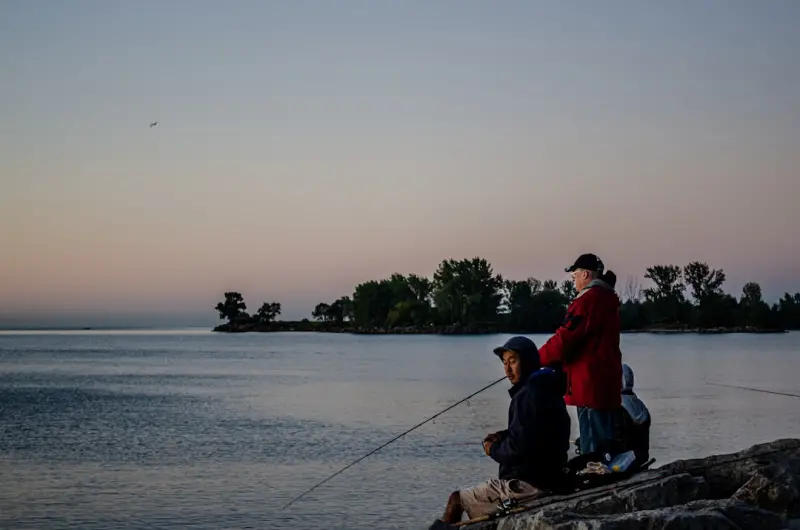
Ontario’s Hidden Fishing Sanctuaries You Must Explore
A personal guide to finding Ontario’s off‑the‑radar fishing sanctuaries, blending ecological s... Read More
Ontario’s Hidden Fishing Gems: A Local’s Guide to Reel Success
Explore Ontario’s hidden fishing gems with insider tips on gear, techniques, and sustainable pract... Read More
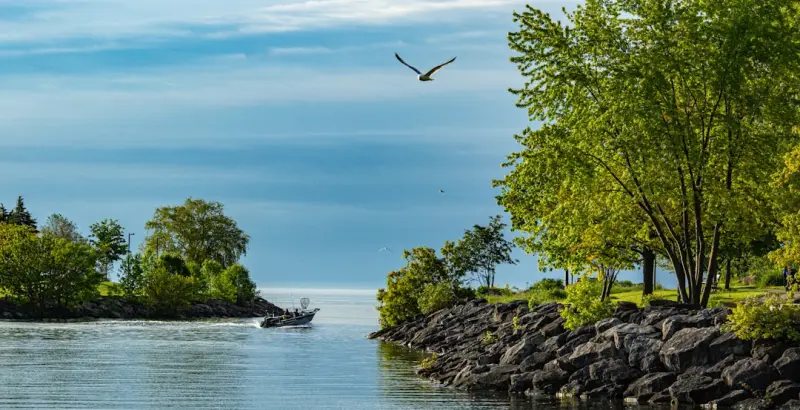
Ontario Fishing: Secrets of the Lakes and Rivers
Discover how to read water temperature cues, select optimal gear, and honor local traditions for a r... Read More
Top Posts

Pharmacist‑Led Clinics: A Rural Health Revolution in Canada
A deep dive into how empowering pharmacists as primary‑care providers could reshape rural Canadian health, delivering faster, affordable, and community‑focu...Read More
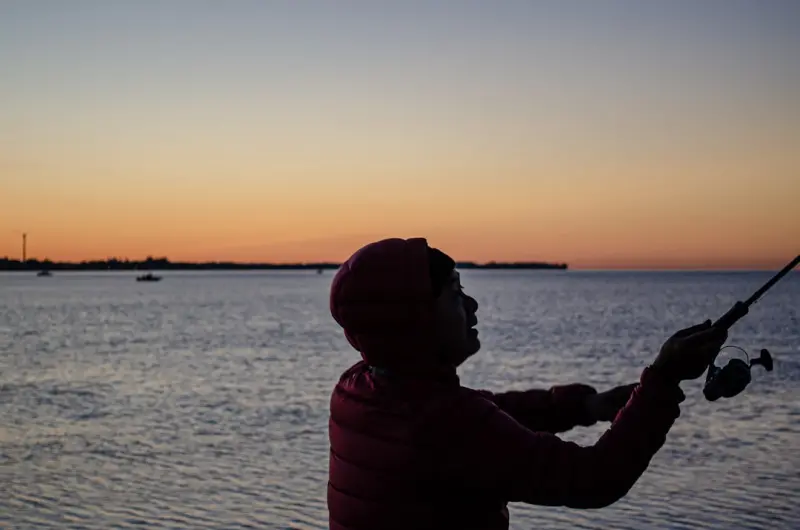
Ontario’s Hidden Waters: A Thoughtful Angler’s Journey Through Quiet Lakes and Rivers
Dive into Ontario’s hidden fishing gems, blending sustainable gear, tech, and Indigenous wisdom for a truly mindful angling experience....Read More

Wanderlust Reimagined: Shawn DesRochers on Hybrid Travel, Smart Savings, and Sustainable Adventures
Shawn DesRochers shares his insider perspective on hybrid travel, budgeting tips, and sustainable tourism, guiding readers to unforgettable, responsible journey...Read More

Regional Forces Reshaping Canada’s Federal Landscape
A deep dive into the rising regional dynamics, climate battles, Indigenous influence, and digital tools that are redefining Canada’s federal politics today....Read More
0 Comments
Post Comment
You will need to Login or Register to comment on this post!