

Why Ontario’s Fishing Community Is Shifting Gears
For decades, Ontario anglers have been celebrated for their patience, local knowledge, and love of the water. Yet the scene is undergoing a quiet revolution. No longer are we just casting lines and waiting for a bite; we are gathering, analyzing, and acting on data in ways that were once the domain of scientists and tech startups. This shift isn’t about gimmicks—it's about preserving the lakes and rivers we cherish while keeping the sport accessible, inclusive, and sustainable.
From Secret Waterways to Shared Maps
Ontario boasts more than 250,000 kilometres of shoreline and an intricate network of rivers, streams, and inland lakes. Many of these spots remain hidden gems known only to a handful of local families. Traditionally, that knowledge was guarded, passed down through whispered conversations at the dock. Today, community‑driven mapping platforms are turning those whispers into publicly available, real‑time maps.
Anglers are uploading GPS tracks, water temperature readings, and even notes on fish behaviour to open‑source databases. The result? A living atlas that evolves with each season. When a new cold front sweeps the Georgian Bay area, thousands of users instantly see updated temperature zones, helping them adjust their tactics without a single phone call to a friend.
What makes this possible is the collaborative spirit of local fishing clubs, many of which have adopted a citizen‑science mindset. By treating every outing as an opportunity to collect data, they turn recreational trips into valuable contributions for fisheries management.
Tech Tools That Empower the Modern Angler
While some may picture a rugged fisherman with a weathered hat, the average Ontario angler now carries a smartphone loaded with specialized apps. These tools are designed to be both user‑friendly and scientifically robust:
- Water‑Condition Trackers: Real‑time dashboards that pull in satellite‑derived data on turbidity, chlorophyll levels, and dissolved oxygen.
- Species‑Specific Forecasts: Predictive models that suggest the best times to target walleye, smallmouth bass, or lake trout based on historic catch data.
- Catch‑and‑Release Logs: Simple forms that record size, weight, and release location, automatically feeding into provincial databases.
Behind many of these apps lies a concept known as digital twins—virtual replicas of physical water bodies that update in near real‑time. By mirroring an actual lake’s conditions, anglers can test strategies in a simulated environment before stepping onto the water. This not only improves success rates but also reduces unnecessary pressure on fish populations.
Data Sovereignty on the Water
When anglers contribute data, questions of ownership and privacy naturally arise. Who controls the information? Can it be used for commercial purposes? Ontario’s fishing community is answering these questions by embracing the principles of data sovereignty. In practice, this means that the data belongs to the contributors and the local stewardship groups, not to third‑party corporations.
Many clubs are adopting open‑license agreements that allow researchers to access the data for population studies while preventing unauthorized commercial exploitation. This approach builds trust among participants and ensures that the primary goal—protecting Ontario’s fisheries—remains front and centre.
Health Benefits: Tiny Habits That Add Up
Beyond environmental stewardship, the modern fishing movement dovetails with a broader wellness trend. Regular outings foster tiny habits that compound into significant health gains: increased cardio fitness, reduced stress hormones, and stronger community bonds. For many Ontarians, a weekend on the water is not just a hobby; it’s a preventive health regimen.
Studies have shown that time spent in natural settings can lower blood pressure and improve mental clarity. When you pair that with the gentle, repetitive motion of casting, you create a low‑impact exercise that’s accessible to all ages. The result is a healthier, more resilient population that values its natural assets.
Economic Ripples: Supporting Local Businesses
Community fishing initiatives are also stimulating the provincial economy. Local bait shops, boat rentals, and guide services are seeing a surge in demand as newcomers discover the ease of getting started through club‑run mentorship programs. Moreover, the data‑driven approach helps these businesses tailor their offerings—stocking the right bait at the right time, or scheduling guided tours when fish activity peaks.
In the long term, this symbiotic relationship can help rural towns diversify their revenue streams. Instead of relying solely on seasonal tourism, they can position themselves as hubs for sustainable angling education and research, attracting grants and partnerships with universities.
Getting Started: Joining a Local Fishing Collective
If you’re intrigued by this wave of change, the first step is simple: find a local fishing club or collective. Ontario’s provincial angling association maintains a directory of groups that meet regularly, host workshops, and provide access to shared equipment.
When you attend a meeting, bring a willingness to share—whether it’s a tip about a productive spot or a few minutes of data from your latest outing. Most clubs welcome newcomers with “catch‑and‑release” days that focus on learning rather than harvesting, ensuring that you gain confidence without impacting fish stocks.
Many collectives also partner with schools, offering youth programs that combine field trips with data‑collection challenges. This not only nurtures the next generation of anglers but also instills a sense of responsibility for the water bodies they will inherit.
Future Outlook: The Next Wave of Innovation
Looking ahead, the fusion of technology, community stewardship, and wellness is set to deepen. Anticipated developments include:
- AI‑Assisted Decision Tools: Machine‑learning algorithms that suggest optimal lure selections based on live environmental feeds.
- Blockchain‑Based Catch Records: Immutable logs that verify sustainable practices and could one day be tied to eco‑certifications.
- Virtual Reality Training: Simulated environments where novices can practice casting techniques before ever stepping onto a boat.
These innovations will not replace the timeless joy of feeling a tug on the line, but they will amplify our ability to protect the ecosystems that make Ontario’s fishing so legendary. By embracing data, community, and a forward‑thinking mindset, we ensure that the lakes and rivers remain vibrant for decades to come.

Related Posts
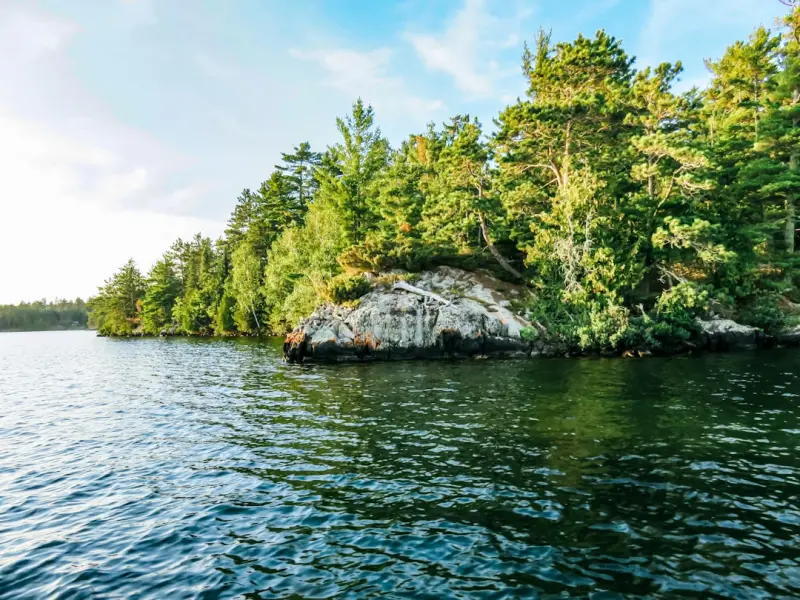
Reimagining Ontario Angling: Sustainable Bait, Tech, and Community Stewardship
Ontario anglers are turning to sustainable bait, Indigenous knowledge, and smart tech to fish respon... Read More

Ontario’s Hidden Fishing Gems: A Local’s Guide to Reel Success
Explore Ontario’s hidden fishing gems with insider tips on gear, techniques, and sustainable pract... Read More
From Dock to Dish: Elevating Ontario’s Fresh‑Caught Fish in Home Kitchens
A fresh catch isn’t the end of the adventure—it’s the start of a culinary journey. Discover ho... Read More
Top Posts

The Unseen Struggles of Rural Mental Health in Canada
Rural mental health in Canada is a pressing issue that affects many communities. From the struggles of Canadian farmers to the connection between rural mental h...Read More

Canada’s Immersive Entertainment Surge: VR Arcades, Interactive Theatre, and the Future of Play
Canada’s entertainment scene is evolving fast, with VR arcades and interactive theatre creating new social hubs, jobs, and storytelling opportunities across t...Read More

Fermented Foods: Your Everyday Vitality Boost
Unlock the power of fermentation with everyday foods that nourish your gut, elevate energy, and protect immunity—plus easy ways to add them to meals from tang...Read More

From Plate to Platform: How Restaurants Are Redefining Community in the Digital Age
Restaurants are evolving from mere dining spots into community hubs, leveraging subscription models, AI-driven menus, and multi‑sensory storytelling to build ...Read More
0 Comments
Post Comment
You will need to Login or Register to comment on this post!