

When I first set foot on a remote mountain village in the Canadian Rockies, I expected breathtaking vistas and a quiet break from the digital grind. What I didn’t anticipate was the feeling of being part of a living, breathing restoration project—local families planting native seedlings, tourists joining hands in trail maintenance, and chefs serving dishes sourced from the very soil we trekked on. That moment sparked a shift in my travel philosophy: vacationing should not merely be consumption; it should be a catalyst for healing the places we love.
Why Regenerative Travel Matters More Than Ever
Traditional tourism has long been framed as a two‑way street: visitors get experiences, destinations get revenue. Yet the reality often skews toward exploitation—overcrowded heritage sites, carbon‑heavy flights, and cultural dilution. In the last decade, a quiet revolution has been brewing, fueled by travelers who crave purpose alongside pleasure. Regenerative travel flips the script: it asks us to leave a place better than we found it, whether through ecological restoration, cultural exchange, or economic empowerment.
Data from the World Tourism Organization shows that while global travel arrivals continue to climb, the proportion of travelers engaging in responsible practices remains under 15 %. This gap signals both a challenge and an opportunity for the industry to embed regenerative principles at the core of travel planning, marketing, and execution.
Core Principles of Regenerative Tourism
Regenerative travel rests on four interlocking pillars:
- Restoration Over Extraction: Activities should actively improve the environment—think re‑planting mangroves, cleaning riverbanks, or supporting renewable‑energy projects.
- Community Co‑Creation: Local stakeholders must shape the tourism experience, ensuring cultural authenticity and equitable profit sharing.
- Education and Insight: Travelers should leave with a deeper understanding of the ecosystems and traditions they engaged with.
- Long‑Term Impact Tracking: Measurable outcomes—such as reduced carbon footprints or increased biodiversity—validate the regenerative intent.
When these pillars guide a trip, the journey transforms from a fleeting escape into a meaningful partnership.
Designing a Regenerative Itinerary From Scratch
Crafting a regenerative adventure begins with intentional research. Start by identifying destinations that have embraced community‑led stewardship. For example, many Canadian farms have pivoted toward agri‑tourism experiences that blend harvest participation with cultural storytelling. While the original article focuses on farms, you can extend the concept to coastal villages, desert retreats, or urban neighborhoods eager to showcase their sustainability initiatives.
Next, map out activities that contribute tangible benefits. Instead of a generic guided hike, seek out programs that include trail restoration or invasive‑species removal. Pair nature immersion with workshops—perhaps a cooking class that sources ingredients from a community table run by local entrepreneurs, ensuring your meals support the very people you meet.
Finally, weave in low‑impact logistics: prioritize train travel over flights, select eco‑certified accommodations, and bring reusable gear. Small decisions compound into a sizable reduction of your trip’s carbon imprint.
Case Studies: From Farm Stays to Community Kitchens
One inspiring example comes from a small island off the Atlantic coast where a cooperative of fishermen has launched a “Marine Regeneration Program.” Visitors spend a day at sea, learning sustainable fishing techniques and then joining a beach cleanup. The fish caught are sold at a nearby community kitchen, where tourists help prepare traditional meals. This loop creates a direct link between visitor activity, ecological health, and local livelihood.
In the interior of British Columbia, a network of Indigenous hosts offers “Cultural Healing Walks.” Travelers hike ancient trails while participating in planting ceremonies that restore native flora. The hosts receive a share of the booking fees, which they reinvest in language revitalization programs. The experience not only regenerates the land but also revitalizes cultural heritage.
These models illustrate how regenerative travel can be tailored to diverse ecosystems—whether it’s restoring coral reefs in the Caribbean or revitalizing alpine meadows in the Rockies.
Tools and Tech That Empower Regenerative Trips
Technology is often blamed for accelerating overtourism, yet the same tools can enable regenerative outcomes. Mobile platforms now allow travelers to offset carbon emissions instantly, track their waste footprint, and even earn digital badges for completing restoration tasks. Some startups offer AI‑driven itinerary builders that match users with verified regenerative projects, ensuring authenticity and impact.
Virtual reality (VR) previews also play a role: before booking, travelers can explore a 360‑degree view of a reforestation site, meet the local guide, and see exactly how their participation will make a difference. This transparency builds trust and encourages more people to choose regenerative options over conventional tours.
Measuring Impact: From Anecdotes to Analytics
For regenerative travel to gain mainstream traction, impact must be measurable. Simple metrics include the number of trees planted, hours of volunteer service, or the percentage of revenue returned to community projects. More sophisticated assessments incorporate biodiversity indices and social well‑being surveys.
Some destinations publish annual “Regeneration Reports” that detail progress against set goals. These reports not only hold operators accountable but also provide travelers with concrete evidence of the positive change they helped create.
Challenges and How to Overcome Them
Despite its promise, regenerative tourism faces hurdles. Authenticity is a major concern—green‑washing can erode trust. To mitigate this, travelers should look for third‑party certifications and seek out reviews from previous participants. Another obstacle is scalability; small‑scale projects may struggle to accommodate larger visitor numbers without compromising impact.
Solution? Adopt a “capacity‑first” approach. Limit group sizes, rotate participants across seasons, and invest in training local hosts to manage increased demand responsibly. By aligning growth with conservation capacity, destinations can expand sustainably.
Your First Regenerative Adventure: A Step‑by‑Step Guide
- Choose a Destination With a Regenerative Vision: Look for regions that publicly commit to restoration projects—many national parks now have volunteer‑led conservation programs.
- Partner With a Local Operator: Select guides or agencies that are community‑owned or have transparent profit‑sharing models.
- Plan Low‑Impact Logistics: Opt for public transport, pack reusable items, and calculate your carbon footprint ahead of time.
- Engage Actively: Participate in hands‑on activities—planting, cleaning, or teaching—rather than just observing.
- Document and Share Your Impact: Use social media responsibly to highlight the regenerative work, encouraging others to follow suit.
When you return home, the story doesn’t end. Keep the momentum by supporting the same initiatives from afar—whether through donations, advocacy, or spreading the word. Regenerative travel is a continuous loop, not a one‑off event.
The Future: A World Where Travel Heals
Imagine a global tourism landscape where every itinerary includes a regenerative component. Flight paths would be offset, hotels would invest in local renewable energy, and tour operators would be judged by their ecological and social ROI. In such a world, travel would be a force for planetary health, cultural preservation, and community prosperity.
As travelers, we hold the power to reshape the industry. By demanding experiences that give back, we can transform the act of wandering from a footprint‑leaving activity into a footprint‑healing one. The next time you book a trip, ask yourself: “How will this journey leave the destination better than I found it?” If the answer isn’t a resounding yes, keep searching—you’ll find a regenerative adventure waiting just around the corner.

Related Posts

Redefining Adventure: How Purpose‑Driven Travel Transforms the Journey
Explore the rise of purpose‑driven travel, from micro‑escapes to farm‑to‑table tours, and le... Read More

The Rise of Purpose‑Driven Micro‑Escapes: Redefining Travel in a Connected World
Purpose‑driven micro‑escapes are short, intentional journeys that combine personal meaning, comm... Read More
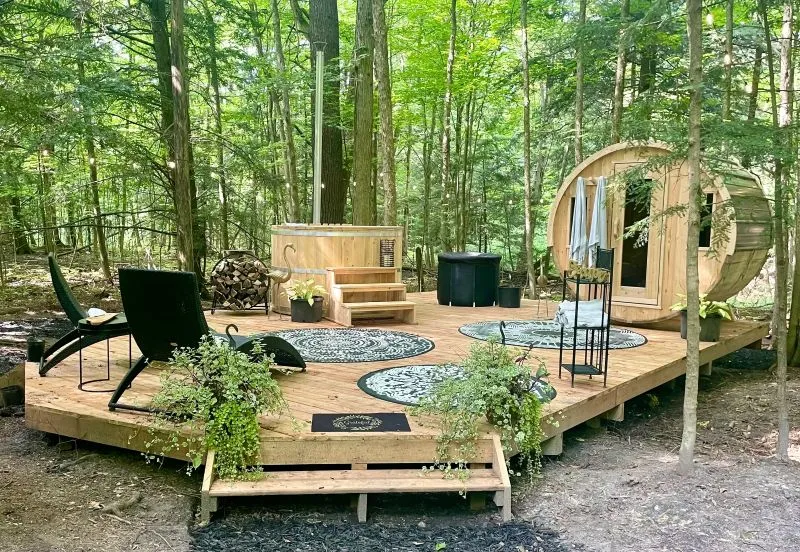
Where to Go Glamping in Ontario: Unleash Your Inner Glamper
Ontario, with its vast landscapes, shimmering lakes, and lush forests, is a nature lover's paradise.... Read More
Top Posts

Unlocking Food Synergy: How Smart Pairings Supercharge Your Health
Explore how strategic food pairings—like tomatoes with avocado or iron-rich greens with vitamin C—can dramatically improve nutrient absorption, balance ho...Read More

Zero‑Waste Cocktails: Crafting Drinks with Nothing to Lose
Discover the emerging world of zero‑waste cocktails, where every peel, seed, and marine extract becomes a flavor opportunity, powered by AI and community-driv...Read More

Sustainable, Inclusive Prom & Graduation: A Playbook for the Next Generation
A comprehensive guide to planning prom and graduation events that prioritize sustainability, inclusivity, and tech‑enhanced memories, offering practical tips ...Read More

The Tariff Tango: A Delicate Balance for Canadian Farmers
The tariff tango is a complex dance of tariffs, quotas, and trade agreements that have left many Canadian farmers struggling to stay afloat. Learn how these cha...Read More
0 Comments
Post Comment
You will need to Login or Register to comment on this post!