

Why Ontario Anglers Are Rethinking Their Tackle Boxes
Every sunrise on the shore of Lake Simcoe feels like a promise I’ve chased since I first held a rod at age twelve, and lately that promise is changing shape. The old habit of loading up on lead weights, plastic lures, and chemically‑treated bait is giving way to a quieter, more intentional approach that respects the water, the fish, and the ecosystems that sustain them. I’ve started swapping out the noisy, disposable gear for biodegradable lines, natural baits, and gear that leaves a lighter footprint, and the difference is already echoing through the ponds and streams I love.
Eco‑Friendly Bait: From Kitchen Scraps to Sustainable Success
One of the most rewarding shifts has been learning to craft bait from locally sourced, waste‑free ingredients—think shredded wheat, beet pulp, or even the leftover corn from a farmer’s market stand, which not only reduces trash but also mimics the natural diet of many Ontario species. This method aligns surprisingly well with the principles explored in Functional Foods Unleashed, where nutrition and sustainability intersect, proving that the same science can make both our plates and our fishing lines healthier. By turning kitchen scraps into irresistible trout treats, I’ve noticed sharper bites and a deeper connection to the land that supplies both my meals and my fishing adventures.
Listening to the Land: Indigenous Wisdom Guides Modern Angling
Across the province, Indigenous communities have practiced a harmonious relationship with water for millennia, and their teachings are finally surfacing in contemporary fishing circles. I’ve spent weekends with local First Nations elders learning about seasonal migrations, the subtle signs of spawning runs, and the respectful harvest techniques that keep fish populations thriving. Incorporating these lessons—such as only taking what is needed and releasing undersized catches—has transformed my outings from mere sport into a stewardship ritual that honors centuries‑old traditions.
Tech Tools That Keep the Footprint Light
Modern technology isn’t just about flashy gadgets; it can actually help us fish more responsibly by reducing wasted effort and unnecessary travel. Mobile apps now provide real‑time water temperature maps, fish activity forecasts, and even community‑reported “catch‑and‑release” hotspots, allowing anglers to plan trips that target the right spots without endless trial and error. For those who love a little aerial perspective, lightweight drones equipped with quiet propellers can scout shoreline vegetation and locate submerged structure, all while keeping the boat’s engine off and preserving the serenity of the water.
Designing Multi‑Day Low‑Impact Expeditions
When I plan a weekend on a remote Ontario lake, the goal is to leave nothing but footprints and take nothing but memories, a philosophy that shapes every decision from campsite selection to waste management. I opt for portable solar chargers, reusable water bottles, and biodegradable soap, and I always practice the “leave no trace” ethic by packing out every piece of trash, even the tiny fish scales that might otherwise linger. By mapping out routes that avoid over‑fished coves and by rotating campsites each season, I help protect the delicate balance of these habitats for future anglers.
Spotlight: Sustainable Angling Hotspots Across Ontario
While the famous Algonquin waters draw crowds, there are lesser‑known gems where the pressure is low and the ecosystems are thriving, such as the crystal‑clear waters of Lake St. Clair and the winding tributaries of the French River. These locations offer abundant walleye, northern pike, and bass that respond well to natural baits and catch‑and‑release practices, creating a win‑win for both anglers and fish populations. By sharing my GPS coordinates and gear lists on local forums, I encourage fellow anglers to explore these hidden sanctuaries responsibly.
Community‑Driven Conservation: From Clubs to Catch‑and‑Release
Ontario’s fishing community is buzzing with grassroots initiatives that blend education, advocacy, and hands‑on stewardship, echoing the collaborative spirit described in Beyond the Checklist. Local clubs now host workshops on building biodegradable lures, host river clean‑ups, and certify members in ethical release techniques that minimize handling stress. By participating in these events, I’ve seen how collective effort amplifies individual impact, turning a simple hobby into a powerful conservation force.
Looking Ahead: A Future Where Every Cast Counts
The tide is turning, and I’m optimistic that the next generation of Ontario anglers will inherit waters that are healthier, clearer, and more abundant than ever before. Embracing sustainable bait, honoring Indigenous knowledge, leveraging smart technology, and fostering community stewardship are not just trends—they’re the foundation of a resilient fishing culture that can adapt to changing climates and growing populations. So next time you head out to a sunrise shoreline, remember that each cast is an opportunity to protect the legacy of Ontario’s lakes for the anglers who will follow.

Related Posts
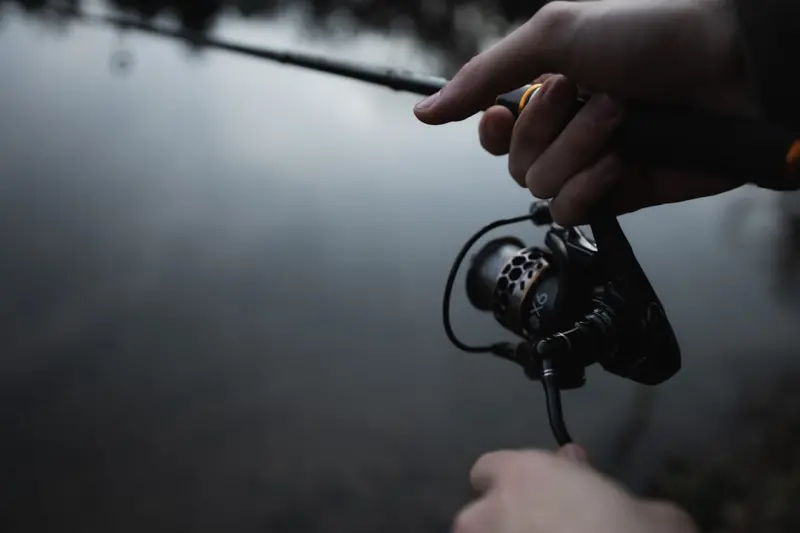
High-Tech Angling: How Modern Gadgets Are Transforming Ontario Fishing
From smartphone apps that identify species in seconds to drones that scout hidden reefs, explore how... Read More
Ontario’s Catch‑and‑Release Revolution: Protecting Our Waters One Cast at a Time
Ontario’s catch‑and‑release movement is reshaping angling culture. Learn the science, gear, an... Read More
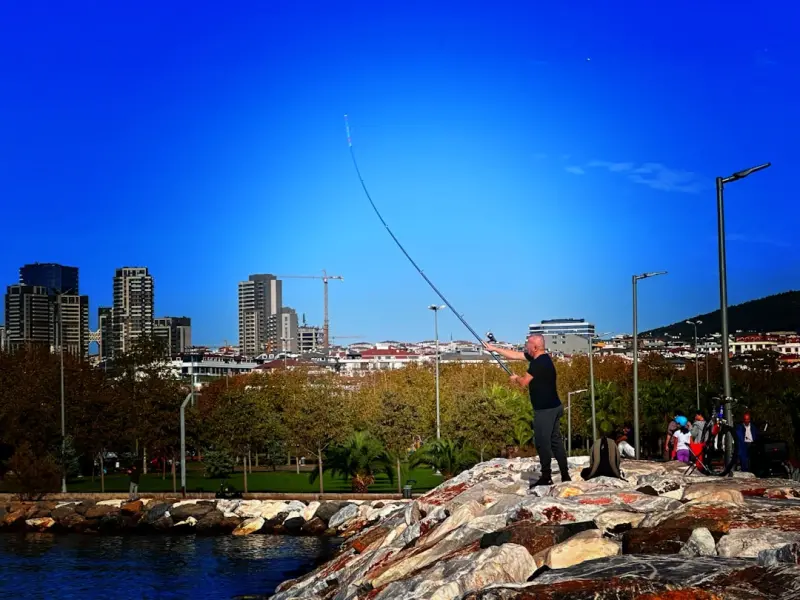
Urban Angling in Ontario: Finding the Best City Waterholes
I trade skyscraper views for riverbanks, revealing Ontario’s hidden city fishing gems, gear hacks,... Read More
Top Posts

Tariff Transparency: Turning Global Trade Fees into Strategic Leverage
Tariffs aren’t just customs paperwork—they’re a strategic signal. Learn how to build a data‑driven radar, embed tariff considerations into product roadm...Read More

When Learning Becomes a Marketplace: A Parental Warning About Monetized AI Tutors
A deep dive into how AI-powered tutoring platforms can turn education into a commercial experience, with practical tips for parents to safeguard their childrenâ...Read More

Midnight Rails: How Overnight Train Journeys Are Redefining Sustainable Travel
Explore the resurgence of night trains, learn how they boost sustainability, and get insider tips for booking the perfect sleeper on your next journey....Read More

The Ultimate Playbook for a Stress‑Free Prom and Graduation Season
A modern guide that reimagines prom and graduation planning with data‑driven decisions, sustainable fashion, hybrid streaming tips, and smart budgeting hacks....Read More
0 Comments
Post Comment
You will need to Login or Register to comment on this post!