
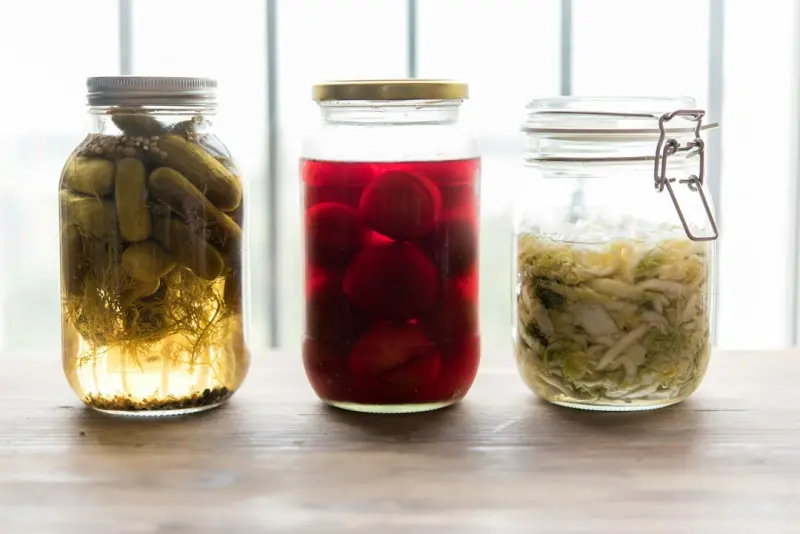
When you hear the word “fermentation,” images of sour dough and tangy kimchi might flash across your mind, but the reality is far richer—and far more relevant to the hectic, screen‑filled lives we lead today. As someone who’s spent a decade navigating the crossroads of technology and nutrition, I’ve watched trends come and go, yet the humble microbes that turn cabbage into kimchi or milk into kefir have remained steadfast allies in the quest for lasting vitality.
The Science Behind Fermentation
At its core, fermentation is a natural preservation method that leverages the metabolic prowess of bacteria, yeasts, and molds. These microorganisms consume sugars and starches, producing acids, gases, and alcohol as by‑products. The acids—primarily lactic acid—lower the pH of the food, creating an environment where harmful pathogens struggle to survive while beneficial microbes thrive.
Why does this matter? The probiotic cultures that flourish during fermentation populate our gut with friendly bacteria, supporting the microbiome, the complex ecosystem that influences everything from digestion to mood regulation. Studies consistently link a diverse gut microbiome with reduced inflammation, improved immune response, and even better mental clarity—a trifecta of benefits for anyone juggling back‑to‑back video calls and deadline pressure.
Everyday Fermented Staples You Can Add Today
Integrating fermented foods doesn’t require a culinary degree; a few pantry staples can instantly upgrade your meals. Below are ten options that blend seamlessly into a busy schedule:
- Kefir – A drinkable yogurt packed with 30+ probiotic strains. Swap it for milk in smoothies or sip it straight for a quick gut boost.
- Kimchi – Spicy, crunchy, and rich in vitamin C. Toss a spoonful into fried rice, tacos, or a simple avocado toast.
- Sauerkraut – Mildly sour cabbage that pairs beautifully with sausages, salads, or as a topping for a grain bowl.
- Miso – Fermented soybean paste that adds umami depth to soups, dressings, and marinades.
- Tempeh – A firm, nutty soy cake ideal for grilling, stir‑fries, or crumbling into tacos.
- Pickles (naturally fermented) – Look for varieties that list “brine” as the only ingredient; they’re great as snack bites or sandwich add‑ons.
- Fermented hot sauce – A dash adds heat and a probiotic punch to eggs, soups, or roasted veggies.
- Fermented nut cheeses – A dairy‑free alternative that offers creamy texture and gut‑friendly microbes.
- Yogurt with live cultures – Opt for plain, unsweetened versions to avoid added sugars.
- Fermented tea (kombucha) – A fizzy, low‑calorie option for an afternoon pick‑me‑up; just watch the sugar content on commercial brands.
Each of these foods can be introduced gradually—start with a tablespoon a day and observe how your digestion feels. The key is consistency, not quantity.
How to Start Fermenting at Home
For the curious DIYer, home fermentation is surprisingly low‑maintenance. Here’s a straightforward three‑step framework:
- Choose Your Vessel – A wide‑mouth glass jar with a breathable cloth cover (or a fermentation‑specific airlock) works best. Avoid metal lids that can react with the acids.
- Prep the Ingredients – Slice vegetables, grate root veg, or whisk together a liquid base. Add a pinch of sea salt (about 2% of the weight of the produce) to draw out moisture and create the brine.
- Seal and Wait – Keep the jar at room temperature, away from direct sunlight, for 2‑7 days depending on the recipe. Taste daily; when the tang reaches your preferred level, move it to the refrigerator to slow fermentation.
Need a confidence boost? The AI kitchen innovations segment on our blog showcases smart sensors that monitor pH levels, temperature, and gas production, alerting you via a mobile app when your batch is ready. While you don’t need a high‑tech setup to succeed, these tools illustrate how modern tech can demystify an age‑old practice.
Fermentation and the Remote Work Lifestyle
Remote workers often face the paradox of unlimited snack access paired with limited movement. Fermented foods can act as a strategic counterbalance. Here’s why:
- Energy Stabilization – The organic acids in fermented foods slow carbohydrate absorption, preventing the post‑lunch energy crash that many remote professionals experience.
- Stress Mitigation – A robust microbiome supports the production of neurotransmitters like serotonin and GABA, which can alleviate anxiety during endless Zoom meetings.
- Convenient Meal Prep – Fermented staples have a long shelf‑life, reducing the need for daily grocery runs and allowing you to keep a nutritious fridge stocked.
Combine these benefits with micro‑breaks for movement—think of short, intentional stretches between tasks. While we’re not rehashing the incremental health habit shifts article, the synergy between tiny physical nudges and gut‑friendly foods creates a compound effect that fuels sustained productivity.
Pairing Fermentation with Tech: A Balanced Approach
Technology isn’t the enemy of authenticity; when used wisely, it amplifies the power of fermentation. Here are three tech‑savvy ways to keep your probiotic game strong without losing the artisanal feel:
- Smart Scale Integration – Pair a Bluetooth‑enabled kitchen scale with a fermentation app to track ingredient ratios precisely, ensuring reproducible results batch after batch.
- Data‑Driven Fermentation Logs – Record temperature, humidity, and taste notes in a simple spreadsheet or specialized app. Over time, you’ll spot patterns that help you fine‑tune flavor profiles.
- Virtual Fermentation Communities – Join niche forums where members share recipes, troubleshoot issues, and celebrate successes. The collective intelligence can accelerate your learning curve dramatically.
By embedding these tools into your routine, you keep the process scientific yet personable—an ideal fit for the data‑driven mindset of today’s professionals.
Practical Tips for Sustaining the Fermented Lifestyle
Turning fermentation from a novelty into a habit requires a blend of planning, curiosity, and a pinch of patience. Keep these guidelines in mind:
- Start Small – Introduce one new fermented item per week to avoid overwhelm.
- Mind the Salt – While salt is essential for safe fermentation, watch your overall sodium intake if you’re incorporating multiple salty fermented foods.
- Listen to Your Body – Some people experience mild bloating when first increasing probiotic intake; this usually settles within a few days.
- Rotate Flavors – Variety prevents palate fatigue and exposes you to a broader spectrum of microbial strains.
- Stay Curious – Experiment with unconventional bases like carrots, beets, or even fruit peels. The microbial world loves a good adventure.
Conclusion: A Microbial Ally for Modern Wellness
Fermentation isn’t a fleeting diet fad; it’s a time‑tested partnership between humans and microbes that supports resilience, mental clarity, and sustained energy—qualities that are indispensable in a world that never truly powers down. By embracing these living foods, you give your body a daily dose of biodiversity, and you gain a simple, cost‑effective tool for long‑term health.
Whether you choose to buy a jar of kimchi from the market, sip a glass of kefir, or embark on a home‑brewing adventure aided by smart kitchen tech, the message stays the same: a handful of microbes can transform the way you feel, think, and perform.

Related Posts

Ferment Your Way to Better Health: Kitchen Lab Secrets
Explore the art of home fermentation, from tangy kimchi to fizzy kombucha, and learn how these probi... Read More
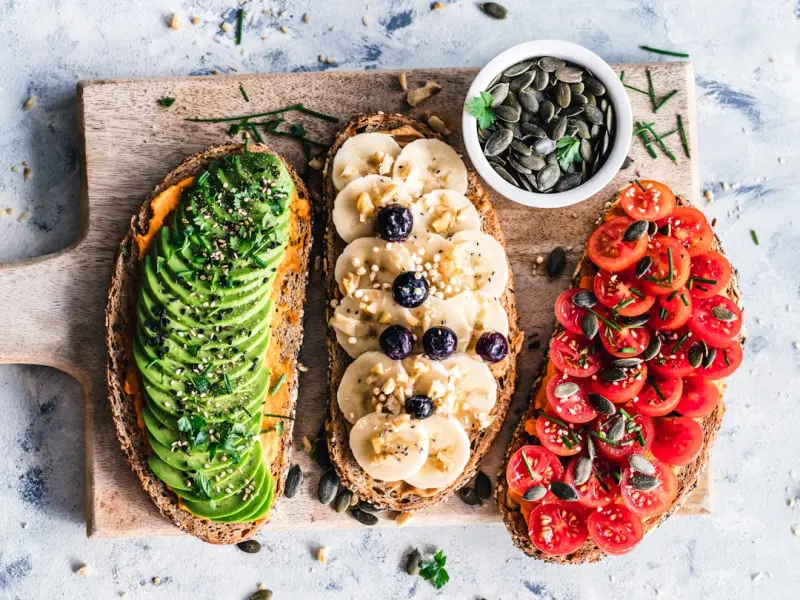
Seasonal Superfood Swaps for Everyday Nutrition
Learn practical, seasonal superfood swaps that transform ordinary meals into nutrient‑rich power f... Read More
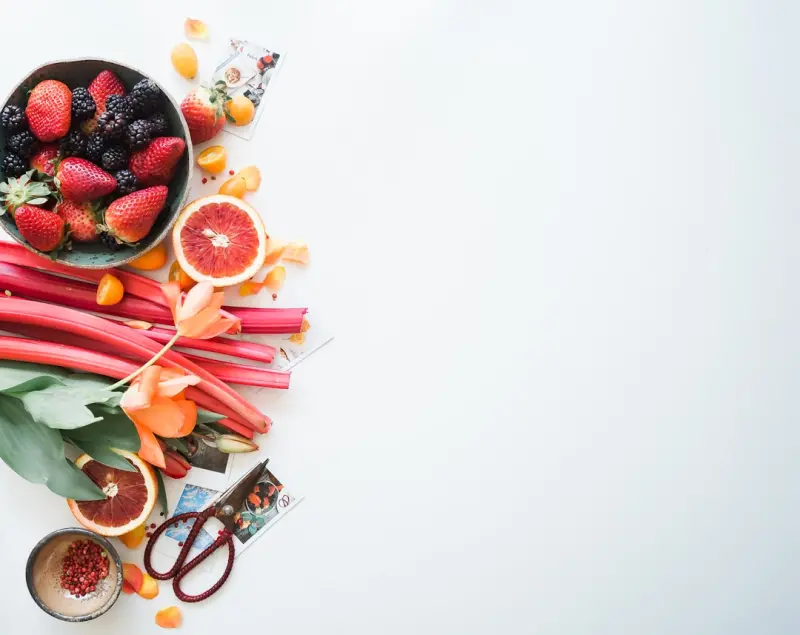
Microbiome Magic: How Prebiotic Power Foods Are Redefining Everyday Meals
Explore the rise of prebiotic power foods—from chicory and sunchokes to seaweed fibers—and learn... Read More
Top Posts
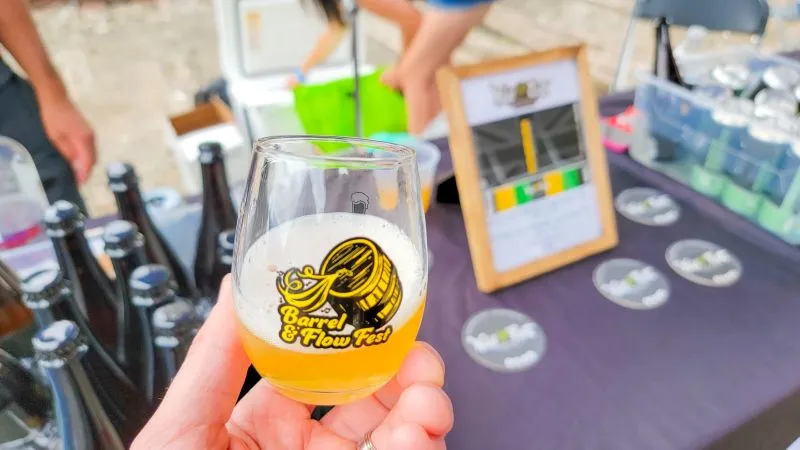
Inaugural Flow Fest Beer Festival Set to Take Place Saturday, July 26
Get ready for a new summer tradition! The Niagara Falls Exchange is proud to present the inaugural Flow Fest Beer Festival in partnership with Counterpart Brewi...Read More

Why Ontario’s Small‑Town Rivers Are the Next Big Catch for Urban Anglers
Ontario’s lesser‑known rivers are becoming hot spots for anglers seeking community, sustainability, and fresh fishing experiences. This post explores the ri...Read More

Beyond the Field: How Canadian Farmers Are Cultivating Community Resilience
Canadian farmers are redefining success by embedding their operations within local communities—through workshops, shared branding, and community‑backed fund...Read More

Why use Alberta Business Directory?
Are you a business owner in Alberta looking to increase your online presence and attract more customers? If so, you may want to consider using the Alberta Busin...Read More
0 Comments
Post Comment
You will need to Login or Register to comment on this post!