
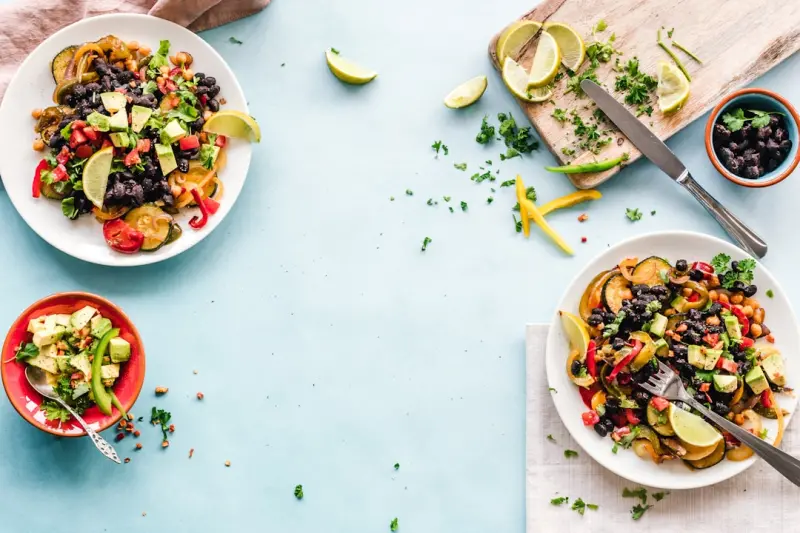
When the inbox pings at 8 am and the next meeting is a back‑to‑back video call, the temptation to grab a sugary granola bar or a coffee‑laden latte is almost reflexive. Yet, the foods we choose in those high‑velocity moments have a silent, profound influence on our gut, brain, and overall resilience. This post is a deep‑dive into building a meal plan that not only fuels a demanding schedule but also nurtures the microscopic ecosystem that lives inside us—the gut microbiome.
Why the Microbiome Matters for the Busy Professional
The microbiome isn’t just a trendy buzzword; it’s a dynamic organ made up of trillions of bacteria, fungi, and viruses that collectively weigh about two pounds. These tiny allies help digest fiber, synthesize vitamins, modulate the immune system, and even produce neurotransmitters like serotonin and dopamine. When the microbial balance is disturbed, you may notice:
- Foggy concentration – a gut‑brain miscommunication can impair focus.
- Mid‑day energy crashes – unstable blood‑sugar regulation.
- Persistent low‑grade inflammation – the silent saboteur of long‑term health.
In other words, feeding the microbiome is a direct line to sustaining high cognitive performance, steady energy, and emotional steadiness—key assets for anyone juggling deadlines, virtual collaborations, and after‑hours networking.
Core Principles of a Microbiome‑Friendly Plate
Designing a menu that supports your gut doesn’t require a culinary degree, just a clear set of principles:
- Fiber First. Aim for at least 25–30 grams of diverse fiber each day. Think soluble fibers (oats, apples, legumes) that feed beneficial bacteria, and insoluble fibers (whole‑grain bran, carrots) that keep the digestive tract moving.
- Polyphenol Power. Colorful plant compounds act as pre‑biotics and antioxidants. Berries, dark leafy greens, and spices like turmeric are microbiome allies.
- Fermented Friends. Incorporate foods that deliver live cultures: kimchi, sauerkraut, kefir, yogurt, and miso. These act as a direct inoculation of helpful microbes.
- Limit Highly Processed Sugars. Excess simple sugars feed opportunistic pathogens, leading to dysbiosis.
- Mindful Fats. Short‑chain fatty acids (SCFAs) are the primary fuel for colon cells. They’re produced when fiber‑feeding bacteria ferment carbs. Including omega‑3‑rich foods (flaxseeds, walnuts, fatty fish) helps maintain the right environment for SCFA production.
Meal‑Prep Strategies That Fit a Packed Calendar
Preparation is the bridge between intention and action. Below are practical steps you can embed into a typical work week.
- Batch‑Cook a Fiber‑Rich Base. On Sunday, simmer a pot of lentils, quinoa, and barley with bay leaves and garlic. Store in the fridge for quick salad or bowl assemblies.
- Freeze Fermented Portions. Large batches of sauerkraut or kimchi can be portioned into freezer‑safe bags. Thaw a cup for lunch without the need for fresh preparation.
- Pre‑Portion Snacks. Divide raw nuts, seeds, and dried berries into single‑serve zip‑locks. Pair with a piece of fruit for a balanced mini‑meal.
- Utilize the Office Kitchen. Keep a set of reusable containers at work. A microwave‑safe bowl for a quick reheated grain‑legume mix saves time and money.
Sample One‑Day Microbiome Menu
Here’s a concrete example that follows the principles above while staying under 30 minutes of active cooking.
- Morning Boost (7:30 am) – Overnight oats made with rolled oats, chia seeds, almond milk, and a spoonful of kefir. Top with blueberries and a drizzle of raw honey.
- Mid‑Morning Snack (10:00 am) – A small apple paired with a handful of walnut halves.
- Power Lunch (12:30 pm) – A bowl of the pre‑cooked lentil‑quinoa mix, tossed with chopped spinach, roasted carrots, a scoop of miso‑dressed tofu, and a side of kimchi.
- Afternoon Pick‑Me‑Up (3:00 pm) – Greek yogurt (plain) blended with a tablespoon of ground flaxseed and a sprinkle of cinnamon.
- Dinner (6:30 pm) – Baked salmon seasoned with lemon‑dill, served alongside roasted Brussels sprouts and a sweet‑potato mash infused with a splash of olive oil.
This menu delivers roughly 30 grams of fiber, a spectrum of polyphenols, and multiple probiotic sources—all while staying practical for a professional on the go.
Leveraging Technology Without Getting Distracted
We live in an era where data can enhance food choices without turning the kitchen into a lab. Tools that track nutrient intake, analyze gut‑health trends, and suggest meal tweaks are becoming mainstream. For instance, some platforms integrate data‑driven flavor insights that help you understand which food combos boost SCFA production for you personally.
However, the key is to use these tools as a compass, not a crutch. Set a simple goal—like “increase daily soluble fiber by 10 grams”—and let the app remind you when you’re falling short. The technology should free up mental bandwidth for strategic thinking, not add another notification frenzy.
Connecting Soil Health to Your Plate
When you think about gut health, the first image that comes to mind is often a microscope, not a field. Yet, the quality of the soil where your food is grown directly shapes the nutrient profile of the produce you consume. Sustainable farming practices that enrich soil organic matter increase the mineral density of vegetables and the fiber quality of grains.
Reading about soil‑to‑data innovations reveals how farmers are using sensors, satellite imaging, and AI to monitor soil carbon and microbial activity. The end result is a crop that not only tastes better but also delivers a more robust prebiotic payload—exactly what your gut microbes crave.
Traveling and Eating Out: Maintaining Microbiome Momentum
Business trips and client lunches can feel like minefields of hidden sugars and processed carbs. Here are three tactics to stay on course:
- Scout the Menu Ahead. Many restaurants post nutritional info online. Look for dishes labeled “fermented,” “whole grain,” or “plant‑forward.”
- Portion Control with a Twist. Order a half‑size entrée and supplement with a side salad that includes a variety of raw veggies and a probiotic‑rich dressing (think kefir‑based).
- Carry a Micro‑Snack Kit. A small container of mixed nuts, a few dried seaweed sheets, and a single‑serve probiotic capsule can bridge the gap between meetings.
Mindful Eating: The Final Piece of the Puzzle
Even the healthiest foods lose some of their benefit if you eat them on autopilot. Mindful eating—slowing down, chewing thoroughly, and savoring flavors—enhances digestion and nutrient absorption. A simple practice is to set a timer for 20 minutes at each meal, putting your phone on silent, and focusing solely on the textures, aromas, and colors on your plate.
Measuring Success Without Obsession
Rather than obsessively tracking calories, aim for these three weekly metrics:
- Fiber Diversity Score. Count the number of distinct plant‑based foods you consume each day; aim for at least 8–10.
- Fermented Food Frequency. Incorporate a probiotic source at least three times per week.
- Energy Consistency. Note any mid‑afternoon crashes; a stable energy curve suggests balanced gut‑brain signaling.
If you notice improvements in focus, fewer digestive complaints, or a steadier mood, you’ve likely hit the sweet spot.
Final Thought: Your Plate Is a Personal Lab
Every bite you take is a chemical experiment that either fuels or sabotages the intricate partnership between you and your gut microbes. By embracing fiber diversity, polyphenol richness, and fermented allies, and by leveraging smart tools and sustainable sourcing, you transform a chaotic schedule into a well‑orchestrated performance.
Start small—swap a sugary snack for a handful of berries and a probiotic yogurt, and watch how your day subtly shifts. Over time, those micro‑adjustments compound into a resilient, thriving microbiome that supports the professional you aim to become.

Related Posts

Fermented Futures: Unlocking Gut Health with Everyday Foods
Discover how everyday fermented foods like kimchi, kombucha, and miso can transform gut health, redu... Read More

Unlock Peak Performance with a Color‑First Eating Strategy
A practical guide to using the colors of nature—red, orange, blue, green—to fuel sustained energ... Read More
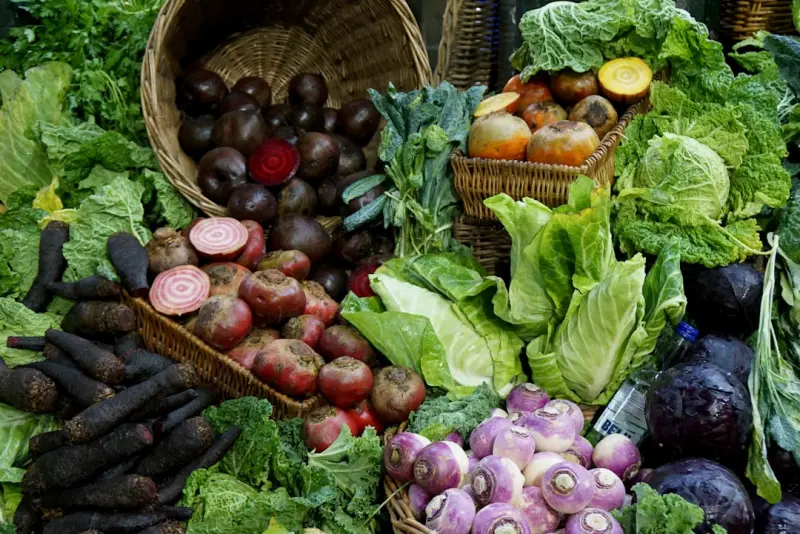
Rediscovering Uncommon Vegetables: A Fresh Path to Everyday Nutrition
A deep dive into overlooked vegetables—kohlrabi, celtuce, tatsoi, and more—revealing their uniqu... Read More
Top Posts

Visual Contracts: How Legal Design is Redefining the Lawyer‑Client Experience
Legal design transforms traditional contracts into visual, interactive documents, reducing misinterpretation, speeding negotiations, and enhancing accessibility...Read More

Tariff Turbulence: Redefining Tech Procurement in a Shifting Trade Landscape
Tariffs reach far beyond customs desks, affecting every layer of tech procurement—from hardware costs to cloud pricing. This article reveals hidden cost chain...Read More

Why Independent Voices Are Redefining Canada’s Parliamentary Landscape
A surge of independent MPs is challenging party dominance in Canada, bringing local concerns, Indigenous partnerships, and data‑driven initiatives to the fore...Read More

Fermenting the Future: How Home‑Made Probiotic Foods Are Redefining the Kitchen
Fermentation is more than a culinary technique—it’s a movement. Discover how creating probiotic foods at home can boost health, cut waste, and foster commun...Read More
0 Comments
Post Comment
You will need to Login or Register to comment on this post!