
Unlocking the Power of Color: How Food Pigments Supercharge Your Health
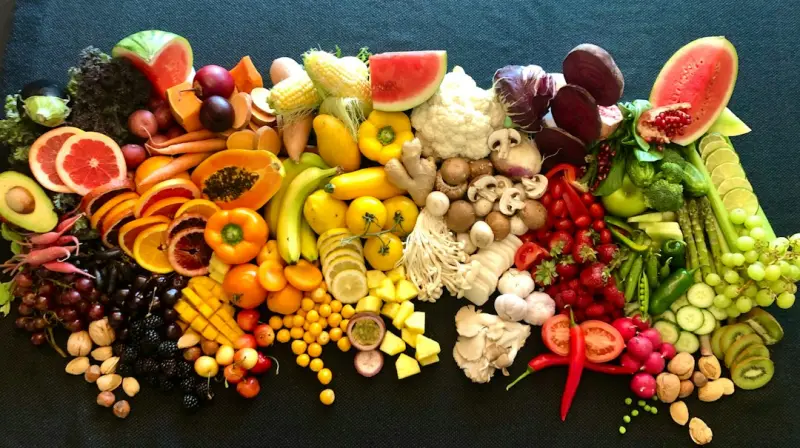
When I first started swapping bland, monochrome meals for plates that looked like a painter’s palette, I didn’t realize I was stepping into a science lab. The vibrant reds, deep blues, sunny yellows, and earthy greens on my fork were not just eye candy—they were biochemical treasure chests waiting to be opened. As a longtime advocate for holistic nutrition, I’ve learned that the colors on our plates can tell us a lot about the nutrients they contain and how they can support everything from brain health to gut balance.
Why Color Matters: The Biology Behind Food Pigments
Every pigment in a fruit or vegetable serves a purpose in the plant kingdom. They protect against UV radiation, attract pollinators, and fend off pests. For us, those same pigments translate into antioxidants, anti‑inflammatory compounds, and vitamins that play crucial roles in cellular function.
- Carotenoids – The orange and yellow pigments found in carrots, sweet potatoes, and corn. They are precursors to vitamin A, which is essential for vision, immune function, and skin health.
- Anthocyanins – The deep reds, purples, and blues in berries, red cabbage, and eggplant. These flavonoids are powerful antioxidants that help protect the brain from oxidative stress.
- Chlorophyll – The green pigment that gives leafy greens their hue. It’s rich in chlorophyllin, a compound that supports detoxification pathways and may improve iron absorption.
- Lycopene – The bright red pigment in tomatoes and watermelon. Research shows lycopene may reduce the risk of certain cancers and support heart health.
Understanding these relationships allows us to intentionally craft meals that deliver a spectrum of protective compounds—something I call “nutrient chromotherapy.”
Building a Rainbow Plate: Practical Strategies for Everyday Eating
Creating a colorful plate doesn’t require a culinary degree—just a few mindful habits.
- Start with a green base. Use kale, spinach, or Swiss chard as the foundation. Add a splash of lemon juice to enhance iron absorption from the greens.
- Introduce a red or orange accent. Roast carrots, beetroot, or red peppers. Their natural sugars caramelize, adding depth without extra sweeteners.
- Layer in purple or blue. Toss a handful of blueberries, blackberries, or sliced purple cabbage into salads. Their anthocyanins are especially potent when paired with a pinch of vitamin C‑rich citrus.
- Finish with a bright yellow or gold. Sprinkle turmeric or mustard seeds, or serve a side of golden corn. Curcumin in turmeric has been linked to reduced inflammation—a perfect complement to the antioxidants from the other colors.
By rotating these colors throughout the week, you can ensure a broad intake of phytonutrients without feeling like you’re on a strict regimen.
Seasonal Swaps: Harnessing Local Harvests for Maximum Color
One of my favorite ways to stay excited about healthy eating is to let the seasons dictate my palette. In the spring, I reach for tender peas, radishes, and early strawberries—each offering a burst of fresh green and pink. Summer brings an explosion of tomatoes, corn, and a rainbow of berries. Autumn invites squash, pomegranates, and deep‑colored apples, while winter highlights root vegetables like parsnips and the occasional citrus surprise.
Beyond flavor, seasonal produce tends to be more nutrient‑dense because it’s harvested at peak ripeness. This natural advantage aligns perfectly with the “nutrient chromotherapy” approach: the brighter the color at harvest, the higher the concentration of beneficial compounds.
Food Pigments and the Gut Microbiome: A Symbiotic Relationship
The gut microbiome has become the buzzword of modern nutrition, but its connection to food pigments is often overlooked. Polyphenols—found abundantly in colorful fruits and vegetables—act as pre‑biotics, feeding beneficial bacteria like Bifidobacteria and Lactobacillus. In turn, these microbes help break down polyphenols into bioactive metabolites that can cross the blood‑brain barrier, influencing mood and cognition.
One study highlighted that participants who increased their intake of anthocyanin‑rich foods experienced a measurable rise in short‑chain fatty acids, compounds known to reduce inflammation and support gut lining integrity. This cascade underscores why a rainbow plate isn’t just aesthetically pleasing—it’s a strategic way to nurture a thriving microbiome.
Beyond the Plate: How Food Pigments Influence Lifestyle Performance
Whether you’re a remote professional, a busy parent, or an athlete training for a marathon, the pigments on your plate can affect performance in subtle yet meaningful ways.
- Energy stability. Carotenoid‑rich foods help stabilize blood sugar by supporting insulin sensitivity, reducing those mid‑afternoon crashes.
- Stress resilience. Anthocyanins have been shown to modulate cortisol levels, helping the body bounce back from high‑stress situations.
- Recovery. The anti‑inflammatory properties of lycopene and curcumin can speed muscle repair after intense workouts.
Integrating these foods into snack packs, pre‑workout meals, or post‑exercise recovery bowls can give you an edge without relying on synthetic supplements.
Technology Meets Tradition: Data‑Driven Farming and the Future of Colorful Produce
While the conversation today is about pigments on your plate, the story begins long before that—on the farm. Modern Canadian farms are increasingly using data analytics to optimize soil health, irrigation, and harvest timing. By leveraging The Future of Farming: Data, Community, and Resilience in Canada, growers can ensure that crops achieve their full color potential, translating into higher nutrient content for consumers.
Precision agriculture tools monitor chlorophyll levels in real time, allowing farmers to adjust nitrogen applications just enough to boost green pigment without excess runoff. This not only benefits the environment but also delivers more nutrient‑dense greens to your kitchen.
Securing the Supply Chain: Why Trust Matters for Your Colorful Foods
In an era where food fraud and mislabeled produce can undermine health goals, transparency in the supply chain is paramount. The same principles that protect digital data can be applied to food integrity. Companies are adopting concepts from Zero‑Trust Architecture: The New Trust Currency for B2B SaaS to verify the origin, handling, and freshness of produce.
By implementing blockchain‑based tracking and third‑party certifications, retailers can assure consumers that the vibrant carrots they purchase truly contain the promised beta‑carotene levels, and that the berries are free from harmful pesticides. This level of trust encourages more people to embrace colorful, nutrient‑dense foods without hesitation.
Creative Recipes to Get You Started
Below are three easy‑to‑prepare dishes that showcase the power of pigments while keeping prep time under 30 minutes.
Rainbow Quinoa Power Bowl
- 1 cup cooked quinoa (base green from spinach sautéed in olive oil)
- ½ cup roasted orange sweet potatoes
- ¼ cup diced red bell pepper
- ¼ cup blackberries (fresh or frozen)
- 2 tbsp toasted pumpkin seeds
- Dressing: lemon juice, tahini, a pinch of turmeric, and a drizzle of honey
Mix everything together and finish with a sprinkle of fresh herbs. The combination of carotenoids, anthocyanins, and chlorophyll delivers a balanced nutrient profile.
Turmeric‑Lemon Salmon with Purple Cabbage Slaw
- 2 salmon fillets brushed with a blend of turmeric, black pepper, and olive oil
- 1 cup shredded purple cabbage
- 1 tbsp apple cider vinegar
- 1 tsp honey
- Fresh dill for garnish
Cook the salmon skin‑side down until crisp, then flip for a minute. Toss the cabbage with vinegar, honey, and dill for a tangy slaw that adds a pop of color and extra antioxidants.
Golden Beet & Citrus Salad
- Roasted golden beets, cubed
- Segments of orange and grapefruit
- Handful of arugula
- 2 tbsp crumbled feta
- Dress with extra‑virgin olive oil, a splash of lime, and a pinch of sea salt
This salad blends lycopene‑rich beets with vitamin C‑packed citrus, enhancing iron absorption from the arugula.
Practical Tips for Sustaining a Colorful Lifestyle
Adopting a colorful diet is a marathon, not a sprint. Here are my go‑to habits for staying on track:
- Prep in bulk. Wash, chop, and portion out a variety of colored veggies at the start of the week. Store them in clear containers so the colors stay visible and inviting.
- Keep a “rainbow reminder.” Place a small chart on your fridge listing the pigments and associated health benefits. A quick glance can motivate you to fill the gaps.
- Swap the snack. Replace processed chips with kale chips, beetroot crisps, or dried blueberry mixes—options that retain pigment and nutrition.
- Engage your senses. Taste, smell, and visual appeal all influence satiety. When a meal looks appealing, you’re more likely to eat mindfully and feel satisfied.
Conclusion: Your Plate as a Canvas for Health
Every bite you take is an opportunity to paint a healthier future—for yourself and for the planet. By honoring the science of food pigments, embracing seasonal produce, and demanding transparency in the supply chain, you empower yourself to make choices that are both delicious and nutritionally robust. The next time you stand in front of the grocery aisle, let the colors guide you. Your body will thank you in ways that go far beyond the next meal.

Related Posts
Flavorful Fuel: Rethinking Everyday Meals for Peak Health
A fresh look at turning ordinary dishes into nutrient-packed powerhouses, using simple swaps and min... Read More
Flavor Alchemy: Turning Everyday Ingredients into Health Boosters
Explore the science of food synergy, learn practical pairing strategies, and see how treating your k... Read More

Urban Foraging: Harvesting Health from City Streets
Urban foraging transforms city sidewalks into nutrient‑dense food sources, offering a low‑cost, ... Read More
Top Posts

Navigating the Nuances of Canadian Healthcare: A Personal Journey
A deep dive into Canada’s health system reveals its universal strengths, lingering wait times, mental health strides, and the vital role of community-driven s...Read More

Quiet Waters, Loud Impact: How Women Are Redefining Ontario’s Fishing Culture
From urban midnight pike pursuits to farm‑to‑lake culinary pop‑ups and youth mentorship programs, women across Ontario are rewriting the fishing narrative...Read More

From Memory Capsules to Live Soundtracks: Reinventing Prom & Graduation Moments
Discover innovative ideas for prom and graduation, from DIY memory capsules and curated soundtracks to sustainable décor and alumni collaborations, turning the...Read More

Powering the Future: Clean Energy’s Impact on Cruises and Bus Tours
A deep dive into the shift toward battery‑electric buses, hydrogen‑fuelled cruise vessels, and advanced biofuels, showing how data, partnerships, and financ...Read More
0 Comments
Post Comment
You will need to Login or Register to comment on this post!