

When I first opened the fridge on a crisp autumn morning, the scent of ripe apples, a hint of rosemary, and a splash of amber light filtering through the window made me realize that my cocktail kit had been waiting for a seasonal cue. It wasn’t just about the alcohol; it was about the story each ingredient whispered and the way the calendar could become a secret menu for my home bar. That moment sparked a mission: to turn the ebb and flow of the seasons into a living, shaking, sipping experience that feels both effortless and unforgettable.
Why Seasons Matter More Than You Think
Most of us think of “seasonal” as a marketing buzzword—think pumpkin‑spice lattes or strawberry shortcakes. In the world of drinks, however, seasons dictate more than flavor; they dictate chemistry. A fruit at the peak of its ripeness carries a higher sugar content, more aromatic compounds, and a brighter acidity than one harvested early or late. Those variables translate directly into balance, mouthfeel, and aroma in a cocktail.
Beyond taste, seasonal sourcing supports local farmers, reduces carbon footprints, and introduces a sense of anticipation. When you know that a certain herb will only be available for a few weeks, you’re more likely to experiment, to ask, “What can I create with this?” That curiosity fuels creativity—a cornerstone of any great cocktail.
Harvesting Ingredients: From Garden to Glass
The first step toward a season‑centric bar is to get acquainted with what’s growing right now. If you have a backyard, balcony, or even a sunny windowsill, start a mini‑herb garden. Basil, mint, thyme, and sage thrive in containers and can be harvested in a pinch. For those without green space, farmers’ markets and community-supported agriculture (CSA) boxes are gold mines.
Here’s a quick checklist to keep on your fridge door:
- Spring: Asparagus, rhubarb, young peas, lemon verbena.
- Summer: Berries, stone fruits, cucumber, basil, lavender.
- Fall: Apples, pears, figs, sage, rosemary.
- Winter: Citrus (oranges, grapefruits, blood oranges), pomegranate, cardamom, pine.
When you’re shopping, ask vendors which produce is at its peak and why. That conversation often uncovers hidden gems like DIY gut-friendly foods that can double as cocktail bitters or infusions.
The Art of Balancing Flavors Without a Formula
Traditional cocktail theory often leans on a 2:1:1 ratio—two parts spirit, one part sweet, one part sour. While that’s a solid starting point, seasonal ingredients demand a more intuitive approach. For example, a summer‑ripe peach will bring natural sweetness, allowing you to reduce added sugar. Conversely, a winter pomegranate may need a dash of honey to offset its tartness.
Think of flavor as a musical chord: the spirit is the bass line, the fresh produce provides the melody, and the sweet or bitter element is the harmony. When you’re playing with a fresh herb like rosemary, its piney notes can act as a “high‑note” that lifts the entire drink. If the base spirit is already aromatic—say, a gin with juniper—pair it with a herb that complements rather than competes.
Three Signature Seasonal Cocktails to Try Right Now
Below are three cocktails designed to showcase the best of each season while keeping the ingredient list short enough for any home bartender.
1. Autumn Orchard Old Fashioned
Ingredients
- 2 oz bourbon
- ½ oz apple‑cider reduction (reduce apple juice with a splash of cinnamon until syrupy)
- 2 dashes Angostura bitters
- Thin slice of fresh rosemary
- Orange peel for garnish
Method: In a mixing glass, combine bourbon, apple‑cider reduction, and bitters. Add ice and stir for 30 seconds. Strain into a rocks glass over a large ice cube. Garnish with a rosemary sprig and an expressed orange peel. The rosemary’s pine notes echo the autumn woods, while the apple reduction adds a gentle sweetness that mirrors the season’s fruit bounty.
2. Summer Garden Spritz
Ingredients
- 1 ½ oz gin
- ¾ oz fresh cucumber juice
- ½ oz elderflower liqueur
- Top with sparkling water
- Fresh mint leaves and a few sliced strawberries for garnish
Method: Fill a tall glass with ice. Add gin, cucumber juice, and elderflower liqueur. Stir gently, then top with sparkling water. Garnish with mint and strawberry slices. The cucumber’s crispness is amplified by the herbal mint, while the elderflower adds a subtle floral backdrop reminiscent of warm summer evenings.
3. Winter Citrus & Spice Mule
Ingredients
- 2 oz vodka
- ¾ oz fresh grapefruit juice
- ¼ oz honey‑ginger syrup (honey mixed with freshly grated ginger, simmered briefly)
- Top with ginger beer
- Garnish with a grapefruit twist and a cinnamon stick
Method: In a copper mug, combine vodka, grapefruit juice, and honey‑ginger syrup over ice. Stir, then top with ginger beer. Garnish with the grapefruit twist and cinnamon stick. The citrus brightens the winter gloom, while the ginger and cinnamon provide warming depth.
From Cocktail to Conversation: Pairing Food with Seasonal Drinks
When you serve a cocktail, consider the food that will accompany it. The key is to echo or contrast the primary flavor notes without overwhelming the palate. For the Autumn Orchard Old Fashioned, think roasted butternut squash crostini with a smear of goat cheese. The earthy vegetables complement the bourbon’s caramel tones, while the cheese adds a creamy counterpoint.
For the Summer Garden Spritz, a light quinoa salad with fresh herbs, diced cucumber, and a lemon vinaigrette keeps the palate fresh. The salad’s acidity mirrors the cucumber juice, creating a harmonious sip‑and‑bite experience.
Finally, the Winter Citrus & Spice Mule pairs beautifully with spiced dark chocolate truffles. The bitter chocolate amplifies the ginger’s heat, and the citrus zest in the drink lifts the chocolate’s richness.
Sustainability and Waste Reduction: Turning Scraps into Assets
Seasonal mixology also offers an opportunity to rethink waste. Citrus peels, herb stems, and fruit pulp can be transformed into homemade bitters, syrups, or infusions. For example, after juicing grapefruit for the mule, reserve the peels. Simmer them with sugar, water, and a pinch of cloves for an hour, then strain and store as a versatile bitter base.
Another low‑effort hack: freeze excess herbs in ice‑cube trays with a splash of vodka. When you need a burst of flavor, drop a cube into your drink. This not only preserves the herb’s potency but also reduces the need for fresh purchases later in the season.
Putting It All Together: Your Seasonal Cocktail Calendar
To make seasonal sipping a habit rather than a novelty, create a simple calendar. Mark the start of each season and list a “hero ingredient” you’ll feature that month. Here’s an example layout:
- March: Fresh rhubarb – Rhubarb Gin Fizz.
- June: Wild strawberries – Strawberry Basil Smash.
- September: Pears – Pear & Cardamom Old Fashioned.
- December: Blood orange – Blood Orange Spice Martini.
Each month, browse local market listings, adjust your grocery list, and experiment with a new cocktail. Over time, you’ll build a personal repertoire that feels both seasonal and deeply personal.
Final Thoughts: Let the Seasons Be Your Mixology Mentor
There’s something magical about aligning the rhythm of nature with the rhythm of a shaker. It reminds us that great drinks aren’t just about technique—they’re about listening to the world around us, honoring the ingredients that are at their peak, and inviting that story into every glass.
If you’re curious about how flavor science can elevate your creations, you might enjoy reading about the science behind perfect pairings. While the article dives into the data side, the core idea remains simple: when you understand the underlying chemistry, you can trust your palate even more.
So, next time you walk past a stand of ripe figs or hear the rustle of fresh mint leaves, think beyond the salad. Imagine the clink of ice, the swirl of color, and the aromatic burst that could turn a simple gathering into a celebration of the season itself. Cheers to sipping the seasons, one cocktail at a time.

Related Posts
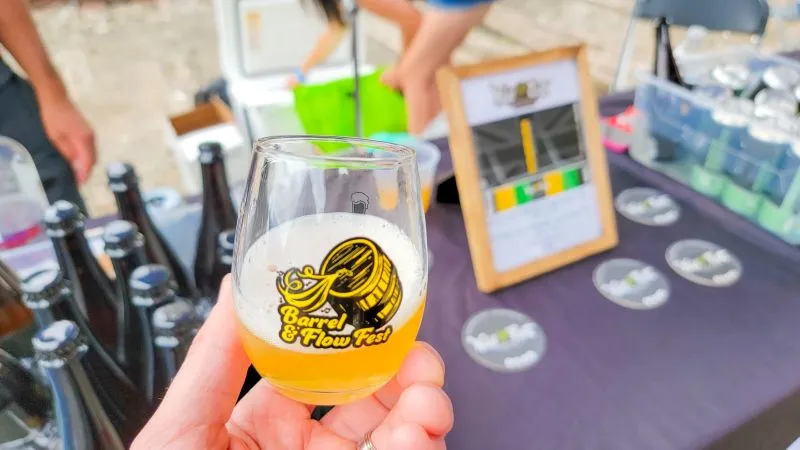
Inaugural Flow Fest Beer Festival Set to Take Place Saturday, July 26
Get ready for a new summer tradition! The Niagara Falls Exchange is proud to present the inaugural F... Read More
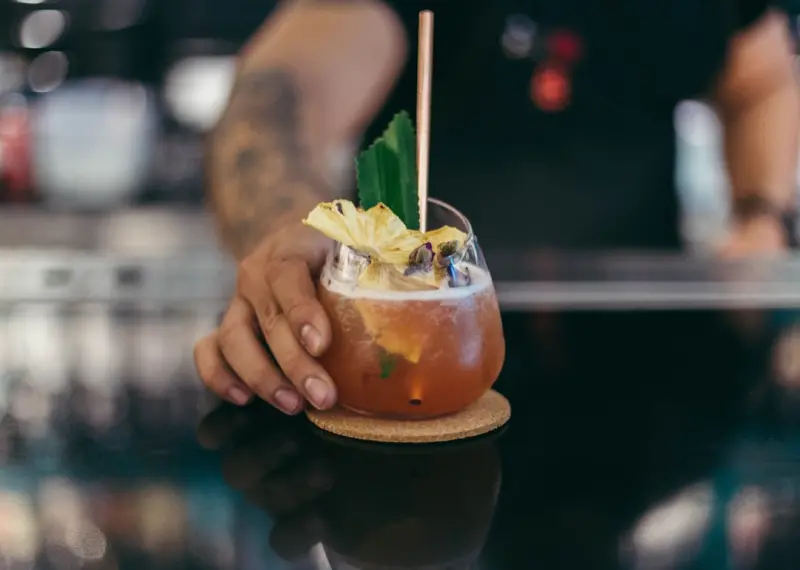
Sip Sustainably: The Zero‑Waste Cocktail Movement That's Shaking Up Bars
Zero‑waste mixology is reshaping the bar scene, turning leftover ingredients into innovative drink... Read More
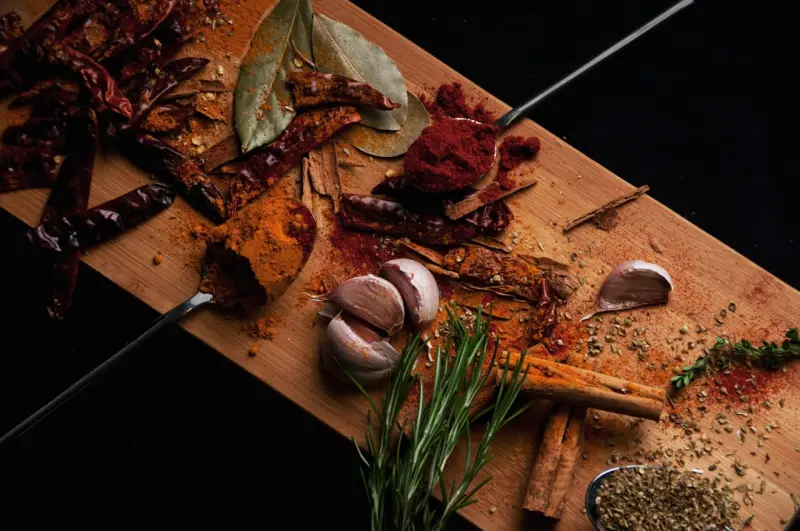
Spice Alchemy: Crafting Your Own Flavor Vault at Home
Learn the art of homemade spice blends: from pantry audits to toast‑and‑grind techniques, season... Read More
Top Posts

AI‑Driven Predictive Care: Transforming Canadian Hospital Operations
Predictive analytics is turning Canadian hospitals from reactive institutions into proactive health hubs, using AI to anticipate patient needs, optimize resourc...Read More

Tariff Playbooks: Future‑Proofing Global SaaS Pricing
Tariffs aren’t just for physical goods; they shape SaaS cost structures worldwide. This guide introduces a six‑step Tariff Playbook, real‑world mitigation...Read More

ATV Accidents: A Serious Summer Concern & Navigating Liability in Ontario
As summer arrives and recreational activities surge, so does the use of All-Terrain Vehicles (ATVs). While ATVs offer a thrilling way to explore the outdoors, t...Read More

Rethinking Cost of Living: How Remote‑First SaaS Teams Are Shaping a New Financial Landscape
This article examines how remote‑first SaaS companies are redesigning compensation with location‑based stipends, digital‑nomad packages, and micro‑savin...Read More
0 Comments
Post Comment
You will need to Login or Register to comment on this post!