

From Curiosity to Kitchen Ritual
It all began when I spotted a modest jar of sauerkraut on a farmer’s market stall, its tangy aroma whispering promises of vitality that my fast‑paced life desperately needed; I cracked it open, tasted the crisp bite, and felt a subtle surge of clarity that sparked a lifelong fascination with fermentation. Since that moment, I’ve turned my kitchen into a living laboratory, experimenting with everything from kefir grains to miso paste, and each successful batch has reinforced the belief that fermented foods are not just culinary curiosities but essential allies in the quest for everyday energy and resilience.
The Microbial Orchestra Inside Your Gut
The human gut hosts a bustling ecosystem of trillions of microbes, each playing a distinct role in digestion, metabolism, and even mood regulation, and when we feed this community with live cultures from fermented foods, we essentially hand them the premium fuel they crave, enabling them to flourish and outcompete harmful bacteria; scientific studies now link a diverse microbiome to reduced inflammation, better nutrient absorption, and a sturdier immune response. By introducing probiotics and prebiotic fibers found in fermented staples, we create a symbiotic relationship that transforms raw ingredients into bioactive compounds, turning ordinary meals into powerful tools for gut‑centric health.
Everyday Fermented Staples and Their Superpowers
Kimchi, sauerkraut, kefir, kombucha, and tempeh each bring a unique blend of live cultures, organic acids, and enzymes that collectively support digestion, enhance nutrient bioavailability, and fortify the body’s natural defenses, and the beauty of these foods lies in their accessibility—most can be purchased at local grocers or crafted at home with minimal equipment; for instance, a simple cabbage fermentation yields sauerkraut rich in vitamin C and lactobacilli, while kefir provides a creamy source of calcium, B‑vitamins, and a diverse probiotic profile. Regular consumption of these foods has been shown to balance blood sugar, reduce cholesterol, and even mitigate symptoms of digestive disorders, making them indispensable components of a health‑forward diet.
Boosting Immunity One Bite at a Time
Our immune system draws heavily from the gut’s microbial reserve, and the antimicrobial peptides produced by beneficial bacteria in fermented foods act as a frontline defense against pathogens, effectively training the body to recognize and neutralize threats before they take hold; research indicates that individuals who regularly consume probiotic‑rich foods experience fewer colds and quicker recovery times. Moreover, the natural fermentation process enriches foods with vitamins K2 and B12, nutrients crucial for white‑blood‑cell production and optimal immune signaling, turning a simple spoonful of kimchi into a potent immunological boost.
Mind‑Body Harmony Through Fermentation
The gut‑brain axis is a two‑way communication highway, and the short‑chain fatty acids generated by fermented foods can cross the blood‑brain barrier, influencing neurotransmitter synthesis and reducing stress‑related hormones, which translates into clearer thinking, steadier moods, and better sleep quality; many athletes and creatives report heightened focus after incorporating kefir or miso into their routines. By stabilizing blood sugar spikes and providing steady energy release, these foods also curb irritability and cravings, fostering a calmer, more balanced mental state that supports both professional performance and personal well‑being.
Starter Kit: Simple Ferments for Busy Lives
Begin with a basic cabbage slaw: shred a medium head of organic cabbage, massage it with sea salt until it releases its juices, pack the mixture into a glass jar, press down to submerge the leaves, seal loosely, and let it ferment at room temperature for three to five days, tasting daily until you achieve the desired tang; the result is a crunchy, probiotic‑rich sauerkraut ready to accompany any meal. For a quick probiotic drink, add a tablespoon of kefir grains to a quart of filtered milk, cover with a breathable cloth, and let it sit for 24 hours before straining and refrigerating; the creamy liquid can be flavored with fruit or honey for a refreshing snack.
Partnering with Community‑Supported Farms
Choosing vegetables from community‑supported farms not only guarantees freshness and seasonal variety but also strengthens local economies and reduces the carbon footprint of your ingredients, creating a virtuous cycle that benefits both your health and the planet; when you source organically grown cabbage, carrots, or beets directly from these farms, you’re investing in soil health that yields more nutrient‑dense produce for fermentation. This farm‑to‑jar approach ensures that the microbes you introduce into your diet start from a foundation of pristine, pesticide‑free crops, amplifying the probiotic benefits you receive.
Sustainable Fermentation Powered by Renewable Energy
Modern fermentation can be both low‑impact and high‑tech when paired with renewable‑energy solutions, and many forward‑thinking producers are now using solar‑heated fermenters or wind‑powered temperature‑control systems to maintain optimal conditions without relying on fossil fuels; this aligns perfectly with the ethos of a greener kitchen and supports a circular food system. Explore how Canadian farms are integrating renewable resources into food production by reading about renewable‑powered food production, and consider adopting small‑scale solar warmers for your own jars to keep fermentation consistent year‑round while minimizing energy consumption.
Creative Ways to Incorporate Fermented Foods
- Morning Boost: Stir a tablespoon of kefir into oatmeal or smoothie bowls for a creamy probiotic punch.
- Flavorful Salads: Toss a handful of kimchi or sauerkraut into grain‑based salads for tangy depth and crunch.
- Hearty Soups: Add miso paste to miso soup or stir fermented bean paste into stews for umami richness.
- Snack Hacks: Top avocado toast with a thin layer of fermented hot sauce for a gut‑friendly zing.
These simple integrations transform ordinary dishes into nutrient‑dense power meals, ensuring that the benefits of fermentation become a seamless part of daily eating habits without demanding extensive culinary overhaul.
Embrace the Ferment, Reclaim Your Vitality
By weaving fermented foods into the fabric of everyday meals, you’re not merely adding flavor—you’re cultivating a resilient gut, fortifying immunity, and nurturing a calmer mind, all while supporting sustainable agriculture and local communities; the journey from jar to health is as rewarding as it is delicious. I challenge you to pick one fermentation project this week, experiment with a new recipe, and notice the subtle yet profound shifts in energy and well‑being, because the path to lasting vitality begins with a single, tangy bite.

Related Posts
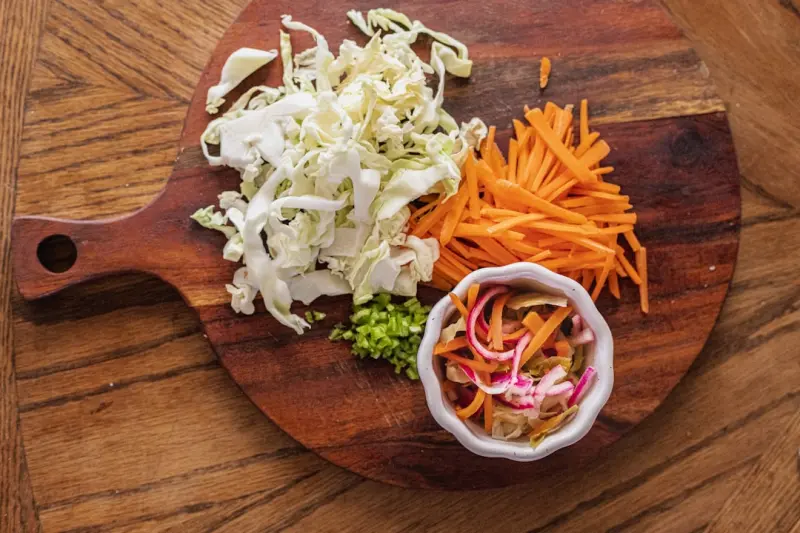
Fermented Foods: A Kitchen Journey to Gut Health and Zero‑Waste Living
Explore the art of fermentation—from sauerkraut to kombucha—and learn how these probiotic foods ... Read More

Unlocking the Healing Power of Everyday Herbs
A deep dive into how everyday herbs act as natural medicines, offering memory support, gut balance, ... Read More
Why Your Plate Needs a Palette: The Science Behind Eating Colorful
A colorful plate isn’t just Instagram‑friendly—it’s a scientifically proven way to improve n... Read More
Top Posts

Hidden Costs of Modern Living and How to Cut Them
Explore the unseen expenses that silently drain your wallet and get actionable tips to cut costs, from subscription audits to community resources....Read More

Casting Calm: Ontario Anglers Turn Fishing Into Mindful Therapy
Ontario anglers are redefining the pastime, using fishing as a mindful practice to boost mental health, adopt sustainable gear, and build supportive communities...Read More

Reimagining National Digital Identity: A Blueprint for Inclusive Innovation
A deep dive into building a national digital identity that balances privacy, accessibility, and interoperability, unlocking new opportunities for businesses and...Read More

Why Real‑Time Guest Data Is the Secret Sauce for Restaurants
Real‑time guest data transforms static menus into dynamic experiences. Learn how to capture, analyze, and act on feedback instantly, empowering chefs and deli...Read More
0 Comments
Post Comment
You will need to Login or Register to comment on this post!