

Why the Clock Matters More Than the Calorie
When I first heard the term chrononutrition, I imagined a sci‑fi diet where you eat at sunrise and fast at sunset like a vampire on a strict schedule. Turns out, there’s solid biology behind the idea: our bodies run on an internal 24‑hour rhythm, and the timing of what we put on our plates can amplify or blunt the benefits of the foods themselves. In the hustle of modern work—Zoom calls, endless inboxes, and the temptation to graze at the keyboard—most of us treat meals as a convenience, not a catalyst.
The Science Behind the Body Clock
At the heart of chrononutrition is the circadian system, a network of master and peripheral clocks that coordinate hormone release, metabolism, and even gene expression. The master clock lives in the suprachiasmatic nucleus (SCN) of the brain and receives light cues from our eyes. Peripheral clocks sit in the liver, gut, and adipose tissue, listening to signals from the foods we eat.
When the timing of meals aligns with these peripheral clocks, enzymes that break down carbs, proteins, and fats operate at peak efficiency. Miss the window, and you may experience blunted insulin response, higher triglyceride spikes, and a sluggish gut microbiome. Over weeks and months, this mismatch can contribute to weight gain, insulin resistance, and chronic inflammation.
Key Windows for Optimal Eating
While individual chronotypes (morning larks vs. night owls) add nuance, research points to three general windows that most people can use as a baseline:
- Morning window (7 am – 11 am): The body’s cortisol surge peaks, priming us for glucose utilization. A protein‑rich breakfast paired with complex carbs can boost alertness without spiking blood sugar.
- Midday window (11 am – 3 pm): Digestion is at its most balanced. This is the ideal time for a mixed‑macronutrient lunch that fuels sustained concentration.
- Early evening window (3 pm – 7 pm): The body begins winding down, and insulin sensitivity declines. Light, protein‑focused meals help repair muscles and keep appetite in check before the nightly fast.
Skipping breakfast, eating a heavy dinner, or snacking late into the night throws these windows off balance. The result? A metabolic “jet lag” that mirrors the fatigue you feel after a long flight across time zones.
Designing a Chrononutrition Meal Plan for the Busy Professional
Below is a practical, day‑long blueprint that respects the body’s clock while staying realistic for someone who spends most of their day at a desk.
7:00 am – Wake‑Up Fuel
Goal: Stabilize blood sugar and activate the brain.
Try a protein‑rich, low‑glycemic combo: Greek yogurt (or plant‑based kefir) topped with a handful of walnuts, a sprinkle of chia seeds, and a drizzle of berry‑free fruit puree. The fat and protein slow glucose absorption, while the probiotics support gut health.
10:30 am – Strategic Mini‑Meal
Goal: Maintain steady energy before the lunch dip.
A small portion of food color insights can be helpful, but focus on texture and fiber. Think sliced cucumber and bell pepper sticks with hummus, or a few olives paired with a slice of whole‑grain crispbread. The crunch signals satiety to the brain, reducing mindless snacking.
12:30 pm – Core Lunch
Goal: Provide sustained fuel for the afternoon’s cognitive load.
Build a plate around a lean protein source (grilled salmon, tempeh, or a chickpea‑based salad) and a moderate portion of complex carbs (quinoa, farro, or sweet potato). Add a side of roasted Brussels sprouts or sautéed kale for micronutrients and fiber. The protein‑carb pairing supports muscle repair while keeping insulin spikes modest.
3:30 pm – Light Refresh
Goal: Prevent the post‑lunch slump without overloading the digestive system.
A cup of matcha tea (rich in L‑theanine) paired with a few almonds or a small piece of dark chocolate (70 % cacao) offers a gentle caffeine lift without the jittery crash of coffee. The antioxidants also help combat oxidative stress from a day of screen time.
6:00 pm – Early Evening Meal
Goal: Support muscle recovery and set the stage for a restful night.
Opt for a lighter plate: a vegetable‑forward stir‑fry with tofu or shrimp, seasoned with ginger, garlic, and a splash of tamari. Serve over a small bed of cauliflower rice or shirataki noodles. The emphasis on vegetables and lean protein keeps caloric density low while providing essential vitamins.
8:30 pm – Optional Nightcap (If Needed)
If you’re still hungry, choose a protein‑focused snack that won’t spike insulin. A warm mug of almond milk with a pinch of turmeric and cinnamon, or a small serving of cottage cheese with sliced kiwi, can satisfy cravings and promote melatonin production.
Integrating Chrononutrition with Remote Work Culture
Remote work offers flexibility, but it also blurs the lines between “work time” and “personal time.” To keep your internal clock in sync, treat your workday as if you were in a traditional office:
- Set a “break alarm” for each of the three eating windows. When it rings, step away from the screen, hydrate, and eat mindfully.
- Design your home kitchen layout to make healthy options visible and convenient. Keep a fruit bowl on the counter, a water bottle within arm’s reach, and snack containers pre‑portion‑ed.
- Leverage tech wisely—use a nutrition tracking app that includes time stamps, not just calorie counts. Seeing the temporal pattern can reinforce good habits.
Meal Prep Hacks That Honor Your Clock
Meal prep doesn’t have to mean cooking everything on Sunday and freezing it for the week. Instead, think “batch‑cook timing”:
- Batch‑cook proteins on a Friday night (e.g., bake a sheet of salmon or roast a block of tempeh). Store them in portion‑sized containers for the morning and evening windows.
- Pre‑wash and chop vegetables and keep them in airtight containers. This reduces the friction of pulling a snack at 10:30 am.
- Prepare a “quick‑assemble” lunch kit—a mason jar with layers of grain, beans, and greens, topped with a dressing you can drizzle just before eating. This aligns with the midday window without requiring a full reheating session.
Gut Microbiome: The Unsung Chrononutrition Partner
Recent studies highlight that the gut microbiome itself follows a daily rhythm. Eating at irregular times can disrupt the cyclical growth of beneficial bacteria, leading to dysbiosis. Including prebiotic fibers (like chicory root, garlic, and onions) and fermented foods (kimchi, kefir, miso) at consistent times can reinforce the microbiome’s clock.
If you’re curious about exploring fermentation further, check out our Fermentation Revival guide for starter tips and recipe ideas.
Hydration Timing: The Silent Clock Keeper
Water isn’t just about quenching thirst; it’s a signaling molecule for metabolic pathways. Aim to sip a glass of water within 30 minutes of waking, then spread intake evenly across the day. A strategic “hydro‑pause”—avoiding large volumes an hour before bedtime—helps prevent nocturnal bathroom trips that can fragment sleep.
Common Pitfalls and How to Overcome Them
1. “I’m too busy to eat on schedule.” Solution: Set micro‑reminders and keep portable, ready‑to‑eat options (e.g., single‑serve nut packs, protein bars with <10 g sugar). The goal isn’t perfection; it’s consistency.
2. “I get hungry late at night.” Solution: Evaluate your early evening meal. If it’s too light, add a modest portion of protein or healthy fat. If you’re truly hungry, choose a low‑glycemic nightcap as described earlier.
3. “I travel a lot; my schedule is unpredictable.” Solution: Focus on the principle rather than the clock. When you can, aim for the same relative intervals between meals (e.g., 4‑hour gaps) rather than specific clock times.
Putting It All Together: Your Personal Chrononutrition Blueprint
Start with a simple audit:
- Track when you currently eat for three days. Note any patterns of late‑night snacking or skipped meals.
- Identify your natural chronotype (morning, intermediate, evening). There are free quizzes online that can help.
- Choose a “baseline window” that aligns with your chronotype. If you’re a night owl, shift your morning window to 9 am – 12 pm and adjust accordingly.
- Implement one change per week—first, set a consistent breakfast time; next, introduce a protein‑rich early evening meal; then, add a gut‑friendly fermented snack.
- Use a habit‑stacking technique: pair each meal with a non‑food habit (e.g., “after I brew my morning tea, I’ll write my top three priorities”).
After a month, revisit your energy levels, mood, and any changes in weight or digestion. Small, timed adjustments can compound into noticeable health gains.
Final Thoughts: The Power of Timing Over Trendy Superfoods
Superfoods get a lot of buzz—acai bowls, spirulina, matcha lattes. While they have merits, they’re often marketed without context. Chrononutrition reminds us that when you eat can be more impactful than what you eat. By aligning meals with your internal clock, you tap into a natural, science‑backed lever that supports metabolic health, mental clarity, and long‑term resilience.
If you’re looking for complementary strategies to maximize performance, consider pairing your chrononutrition plan with the Smart Snacking Strategies for High‑Performance Professionals. Together, they form a holistic approach that respects both the timing and the quality of what fuels your day.

Related Posts

Snack Smarter: How Functional Bites Can Fuel Your Day
Discover the rise of functional snacks—balanced mixes of nuts, seeds, dried berries, and adaptogen... Read More

Foraging the Modern Kitchen: How Wild Ingredients Supercharge Your Health
Explore the benefits of foraging wild foods, from nutrient density and gut health to mental well‑b... Read More
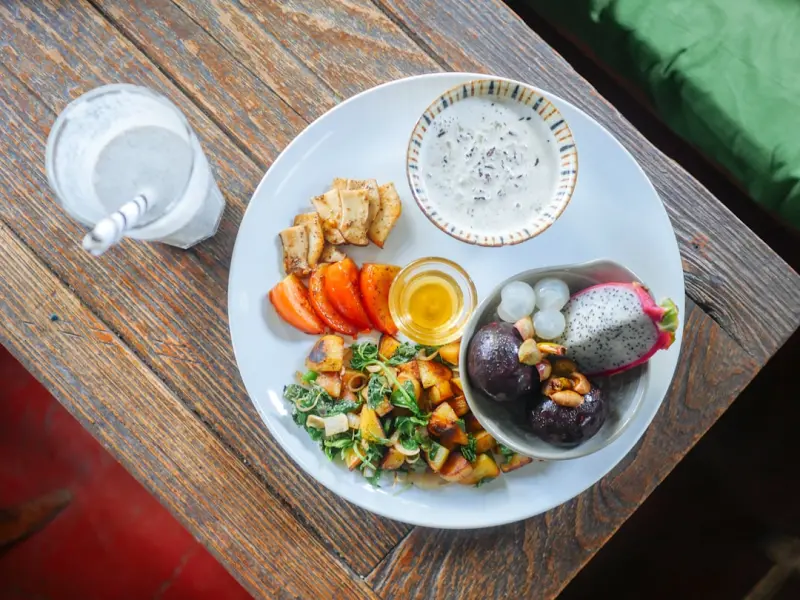
The Sunset Plate: Harnessing Colorful Foods for Peak Performance
Explore a practical, data‑driven approach to eating a colorful “sunset” plate, with quick reci... Read More
Top Posts

From City Streets to Kitchen Tables: How Urban Foraging is Redefining Canadian Living
Urban foraging is turning city sidewalks, parks, and community gardens into sources of fresh, wild ingredients, reshaping Canadian living through sustainability...Read More

A Foodie's Paradise: Exploring the Flavors of Canadian Summer
Canadian summer is a foodie's paradise, offering a diverse array of flavors, ingredients, and dining experiences that showcase the country's rich cultural herit...Read More

Reimagining Urban Wellness: Community Gardens as Health Hubs
Community gardens are emerging as powerful health hubs, offering fresh produce, mental‑health benefits, sustainable waste practices, and economic opportunitie...Read More

Living Smarter: A Fresh Take on Today’s Cost of Living Challenges
Discover practical, forward‑thinking ways to lower everyday expenses, boost savings, and thrive financially amidst rising housing, transport, and lifestyle co...Read More
0 Comments
Post Comment
You will need to Login or Register to comment on this post!