
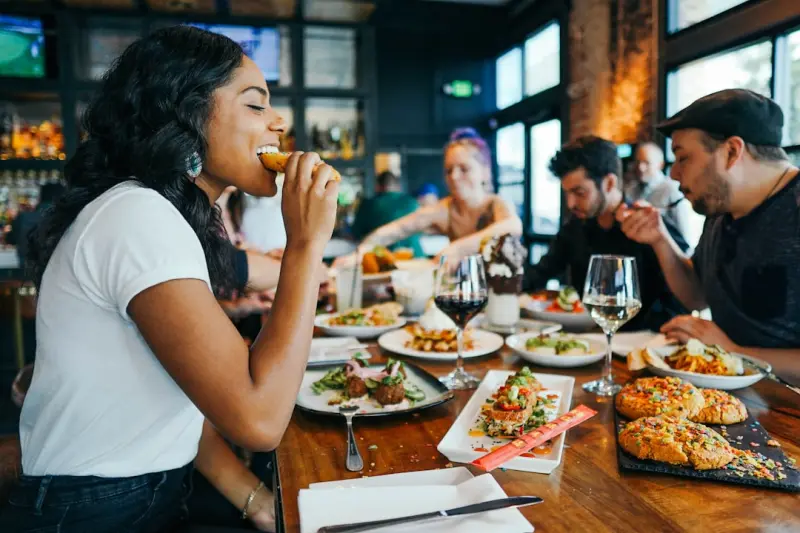
When I first walked into a downtown loft that was masquerading as a restaurant, I expected the clatter of plates, the hum of a bustling kitchen, and the scent of a sautéed onion. Instead, I found a sleek ordering kiosk, a handful of chefs in a backroom, and a delivery driver waiting outside. The experience was seamless, the food arrived hot, and the menu changed every week without a single “out of stock” sign in sight. Welcome to the era of ghost kitchens—a model that is quietly reshaping the restaurant industry and redefining what it means to dine out.
The Ghost Kitchen Phenomenon Explained
Ghost kitchens, also known as cloud or virtual kitchens, are commercial cooking spaces built solely for delivery. Unlike traditional restaurants, they have no dining room, no waitstaff, and often operate under multiple brand identities from the same kitchen. The concept isn’t brand‑new—think of it as an evolution of the take‑out counter from the ‘90s, powered now by sophisticated data, AI, and a deep understanding of consumer behavior.
- Low overhead: By stripping away front‑of‑house costs (rent for prime‑location storefronts, décor, front‑of‑house staff), operators can invest more in quality ingredients and technology.
- Flexibility: Menus can be tested, tweaked, or entirely replaced in days rather than months, allowing chefs to chase trends without the risk of a full‑scale launch.
- Scalability: A single ghost kitchen can serve several neighborhoods, or even several cities, through a network of strategically placed hubs.
But the magic isn’t just in the economics. It’s the data‑driven insight that tells a kitchen which dishes will sell at 6 p.m. in a college town versus 9 p.m. in a corporate district. This is where digital tools become the silent architects of flavor.
AI‑Powered Menu Curation: From Guesswork to Precision
Imagine a chef who can glance at a dashboard and instantly see that a spicy ramen bowl is trending among 23‑year‑olds in one zip code, while a plant‑based burrito is gaining traction with health‑conscious professionals in another. That chef isn’t just guessing; they’re reading a live feed of consumer intent, powered by AI algorithms that parse social media chatter, order histories, and even weather patterns.
These algorithms do more than predict demand. They can recommend ingredient pairings that maximize flavor while minimizing waste—a crucial advantage in a world where fermented foods are gaining traction for both taste and gut health. By incorporating such trending ingredients into a menu, ghost kitchens can tap into the health‑forward mindset without overcommitting to costly inventory.
For example, a ghost kitchen in the Pacific Northwest rolled out a “Kimchi‑Infused Chicken Taco” after its AI flagged a spike in searches for “kimchi tacos.” Within a week, the item accounted for 12 % of total orders, and the kitchen adjusted its procurement to ensure fresh kimchi was always on hand, reducing spoilage by 30 % compared to its previous, less data‑driven approach.
Zero‑Waste Strategies Built Into the Model
Because ghost kitchens operate on a delivery‑only model, they have a unique advantage when it comes to waste reduction. With precise data on portion sizes and demand forecasts, there’s less room for the classic “over‑preparation” that plagues many brick‑and‑mortars. Surplus ingredients can be repurposed across multiple brand concepts housed under the same roof.
One innovative practice is the “ingredient swap” system. If a batch of quinoa is under‑utilized for a vegan bowl, the same grain can be seamlessly integrated into a Mediterranean‑inspired salad menu the next day. This fluidity not only cuts waste but also expands the creative palette for chefs, who can experiment with cross‑cuisine mashups without the fear of leftover inventory.
Furthermore, many ghost kitchens partner with local farms and sustainable suppliers that deliver “just‑in‑time” shipments. The result is a hyper‑local supply chain that supports regional agriculture while keeping carbon footprints low—something increasingly important to diners who value transparency.
Elevating the Customer Experience Through Tech
Even though the dining room is absent, the experience isn’t. Ghost kitchens invest heavily in digital touchpoints that keep customers engaged from the moment they open an app to the instant the doorbell rings.
- Real‑time order tracking: A live map shows the driver’s route, estimated arrival time, and even a photo of the dish as it leaves the kitchen.
- Personalized recommendations: Using purchase history, the platform suggests new dishes that align with a user’s flavor profile, much like a sommelier for food.
- Feedback loops: Post‑delivery surveys trigger AI‑driven sentiment analysis, instantly informing chefs of what’s working and what needs tweaking.
These digital layers also open the door for “smart snacking” moments. By analyzing a customer’s order cadence, a ghost kitchen can suggest a smart snack that pairs perfectly with their main dish—think a sea‑salted edamame bite to complement a spicy ramen bowl. The result is a more cohesive and satisfying meal experience that feels curated, not generic.
Challenges: Navigating the New Frontier
While the advantages are compelling, ghost kitchens are not without hurdles. The most common challenges include:
- Brand dilution: Managing multiple culinary concepts from a single kitchen can confuse customers if not executed with distinct visual identities and clear communication.
- Regulatory compliance: Food safety inspections must account for the high‑turnover nature of a multi‑brand kitchen, requiring rigorous SOPs.
- Delivery logistics: Reliance on third‑party couriers introduces variables like delayed deliveries, which can impact perceived food quality.
Successful ghost kitchens address these pain points head‑on. For brand clarity, they use separate packaging designs and color schemes. On the compliance front, many invest in automated temperature monitoring systems that log data in real time, satisfying health inspectors and reassuring diners.
Hybrid Models: The Best of Both Worlds
Some restaurateurs are blending the ghost kitchen concept with a limited‑time physical pop‑up. This hybrid approach creates buzz, allows for direct customer interaction, and provides a live testing ground for new menu items before they’re fully launched on the delivery platform.
Think of it as a “taste‑lab” where diners can sample a dish, give immediate feedback, and then watch that same dish become a staple on the app days later. The data collected from both in‑person and digital orders feeds back into the AI model, sharpening its predictive accuracy.
The Future: A Culinary Landscape Powered by Insight
Looking ahead, the ghost kitchen model will likely become a foundational layer of the restaurant ecosystem, much like how cloud computing underpins modern software. As AI algorithms become more sophisticated, we’ll see menus that adapt in real time to macro‑trends—seasonal shifts, health data, even local events.
Imagine a scenario where a city’s major marathon is announced, and within hours, ghost kitchens across the city roll out high‑carb, protein‑rich meals specifically designed for runners, complete with electrolyte‑infused drinks. Or a sudden cold snap triggers a surge of comfort‑food dishes—think hearty stews and artisan breads—automatically prioritized in the ordering queue.
This level of responsiveness could transform dining from a static experience into a dynamic, context‑aware service. It’s a future where the line between “restaurant” and “tech platform” blurs, and the chef’s kitchen becomes a data lab as much as a place of culinary creation.
Actionable Takeaways for Restaurateurs
If you’re a restaurateur considering a pivot—or a new venture entirely—here are three steps to get started:
- Audit your current footprint: Identify underutilized space or off‑peak hours that could be repurposed for delivery‑only production.
- Invest in a data platform: Whether you build in‑house or partner with a SaaS provider, a robust analytics engine is essential for menu optimization and inventory forecasting.
- Start small, iterate fast: Launch a single virtual brand, test it in a limited market, gather data, and refine before expanding to multiple concepts.
By embracing the ghost kitchen model, you’re not just cutting costs—you’re unlocking a new realm of culinary agility, sustainability, and customer intimacy. The kitchen of the future isn’t just a place where food is prepared; it’s a living, learning system that evolves with every order.
So next time you hear the doorbell ring, remember: behind that steaming box is a sophisticated blend of flavor, data, and technology—crafted to satisfy not just a craving, but an experience that feels uniquely yours.

Related Posts
Data‑First Dining: How Restaurants Can Turn Numbers Into Flavors
Discover why a data‑first mindset is the secret sauce for today’s restaurants, from predictive m... Read More
The Evolution of Canadian Cuisine: A Journey Through Time and Culture
Canadian cuisine has undergone significant transformations over the years, shaped by the country's h... Read More
How AI is Rewriting the Restaurant Playbook: From Menu Curation to Zero‑Waste Kitchens
The post examines AI-driven menu personalization, predictive waste reduction, ghost kitchens, and im... Read More
Top Posts

Legal 2.0: Reinventing SaaS Contracts for a Data‑Driven World
A deep dive into why SaaS contracts need a legal 2.0 overhaul, covering data privacy, subscription pricing, platform liability, and dispute resolution to turn a...Read More

The Tariff Tango: A Threat to Canadian Farmers and the Economy
The tariff tango between Canada and the US is affecting farmers and the economy. Learn about the economic and human impact of tariffs and what can be done to su...Read More

Parental Warning: The Silent Subscription Drain in Kids' EdTech
A deep dive into the subscription traps of kids' edtech, revealing hidden costs, privacy risks, and actionable strategies for parents to regain control and prot...Read More
The Flavors of Canadian Summer: A Culinary Journey
Canadian summers are a culinary journey like no other. Explore the country's diverse flavors, rich culinary heritage, and breathtaking landscapes. Discover the ...Read More
0 Comments
Post Comment
You will need to Login or Register to comment on this post!