

The Ghost Kitchen Revolution: How Virtual Restaurants Are Redefining Dining
When I first stepped into a downtown loft that smelled like a pop‑up ramen bar one night, I expected to find a cramped kitchen tucked behind a tiny counter. Instead, I discovered a sleek, stainless‑steel workspace buzzing with the quiet hum of industrial ovens, a wall of tablets displaying orders, and a team of chefs who never set foot in a dining room. The experience was both baffling and exhilarating—an early glimpse of the ghost kitchen phenomenon that’s now reshaping the restaurant industry.
Ghost kitchens—also called “dark kitchens,” “cloud kitchens,” or “virtual restaurants”—are commercial cooking spaces built exclusively for delivery and takeout. They have no storefront, no waitstaff, and often no brand identity that the public sees. Instead, they operate behind a digital curtain, feeding orders from multiple apps, websites, and even voice assistants. While the concept isn’t brand‑new (the first “delivery‑only” concepts emerged in the early 2000s), the convergence of three powerful trends—advanced data analytics, AI‑driven menu engineering, and the exploding demand for on‑demand food—has turned ghost kitchens from a niche experiment into a mainstream business model.
Why Ghost Kitchens Are Gaining Traction
1. Real Estate Economics
Prime street‑level real estate has become a prohibitive cost for many restaurateurs. In major metros, leasing a space that offers high foot traffic can eat up 30‑40% of a restaurant’s gross revenue. Ghost kitchens sidestep this by locating in industrial parks, repurposed warehouses, or even under‑utilized office buildings where rent is dramatically lower. The savings can be redirected toward higher‑quality ingredients, better technology, or aggressive marketing.
2. Data‑Driven Market Testing
Launching a new concept in a traditional brick‑and‑mortar setting is risky: you invest in décor, signage, and a full service staff before you even know if diners will love the menu. Ghost kitchens let you test multiple cuisines—think a Korean‑BBQ taco line, a vegan sushi bar, and a gourmet grilled‑cheese stall—all from the same kitchen. By monitoring order volumes, average ticket size, and repeat purchase rates in real time, you can double‑down on winners and sunset underperformers within weeks instead of months.
3. Seamless Integration With Delivery Platforms
Delivery platforms have built robust ecosystems that include order routing, payment processing, and customer reviews. Ghost kitchens plug directly into these APIs, automating the flow from order receipt to kitchen ticket to dispatch. The result is a frictionless experience for the consumer and a streamlined workflow for the kitchen staff.
All of these factors create a perfect storm: lower overhead, rapid iteration, and a built‑in distribution network. But the revolution goes deeper than cost savings; it’s fundamentally changing how we think about the restaurant brand itself.
From Brand to “Menu‑as‑a‑Service”
Traditionally, a restaurant’s brand is anchored in its physical space—its décor, its service style, its neighborhood vibe. Ghost kitchens dissolve that anchor, replacing it with a fluid “menu‑as‑a‑service” model. A single kitchen can operate dozens of distinct “virtual brands,” each with its own logo, pricing strategy, and marketing voice. This flexibility opens the door to a few exciting possibilities:
- Seasonal Pop‑Ups: Rotate a menu every quarter to reflect seasonal produce, without the need for a full rebrand.
- Cross‑Cultural Fusion: Test hybrid concepts—like a “Mediterranean‑Mex” taco—without alienating a loyal dine‑in crowd.
- Localized Micro‑Brands: Tailor menus to neighborhoods based on local preferences gleaned from order data (e.g., extra spice in one borough, plant‑based options in another).
Because each virtual brand lives only in the digital realm, marketers can run hyper‑targeted ad campaigns on social media, Google, or even within the delivery apps themselves. The performance metrics are immediate: click‑through rates, conversion percentages, and average order value are all visible on a dashboard.
Technology at the Core: AI, Voice, and the “Smart Kitchen”
What truly propels ghost kitchens into the future is the integration of AI and automation. Here’s how the tech stack typically looks:
- AI‑Driven Menu Optimization – Machine‑learning algorithms analyze historical order data, local demographics, and even weather patterns to recommend optimal pricing, portion sizes, and ingredient combinations. A rainy night might trigger a “comfort‑food” upsell, while a sunny weekend could highlight fresh salads.
- Dynamic Pricing Engines – Similar to ride‑share surge pricing, some ghost kitchens adjust menu prices in real time based on demand spikes, delivery driver availability, or ingredient cost fluctuations.
- Voice‑First Ordering – With smart speakers proliferating in homes, customers can place orders simply by saying, “Hey Alexa, order a spicy chicken bao from Midnight Munchies
- Robotic Assistants – In high‑volume kitchens, robots can handle repetitive tasks such as dough rolling, fry basket loading, or plating, freeing chefs to focus on quality and creativity.
These technologies don’t just improve efficiency; they create new revenue streams. For example, a ghost kitchen that leverages a conversational commerce platform can capture upsell opportunities during the chat flow, turning a simple “order a pizza” into “add a garlic‑bread combo for $4.99.”
Supply Chain & Sustainability: Turning Waste Into Opportunity
One unexpected advantage of the ghost kitchen model is its impact on food waste. Because production is demand‑driven, kitchens prepare exactly what’s ordered, dramatically reducing the “over‑production” problem that plagues traditional restaurants. Moreover, many ghost kitchens are partnering with local producers and vertical farms to source ingredients that are delivered just‑in‑time, cutting down on transportation emissions.
Some forward‑thinking operators are even integrating microgreen production on site. Growing a few trays of basil, cilantro, or radish microgreens in the kitchen’s backroom not only provides fresh garnish for dishes but also creates a miniature, carbon‑negative ecosystem that can be harvested daily.
Labor Dynamics: New Skills, New Jobs
Ghost kitchens shift the labor focus from front‑of‑house service to back‑of‑house precision. Chefs now need to be comfortable with order‑management software, data dashboards, and perhaps even basic coding for custom integrations. Meanwhile, new roles are emerging: “delivery logistics coordinator,” “digital brand manager,” and “AI menu analyst.” This evolution creates a talent pipeline that blends culinary expertise with tech fluency—a blend that is increasingly valuable in today’s gig economy.
However, the model also raises concerns about job displacement for traditional waitstaff. The industry can address this by offering cross‑training programs, enabling former servers to transition into roles such as customer‑experience specialists who manage online reviews, resolve delivery issues, and curate loyalty programs.
Regulatory Landscape and Compliance
Operating without a storefront can create a gray area for health inspections and licensing. Some municipalities have adapted by creating “shared kitchen” permits, allowing multiple virtual brands to operate under a single health‑department certification. It’s essential for operators to stay ahead of local regulations, especially when scaling across city or provincial borders.
Compliance isn’t just about health codes. Data privacy is a major concern when handling customer information through third‑party delivery apps. Following a resilient privacy strategy—even if you’re not a SaaS company—helps protect both the brand and the consumer.
Case Study: “The Midnight Munchies” – A Ghost Kitchen Success Story
To illustrate the potential, let’s look at “The Midnight Munchies,” a virtual brand that launched in a 3,000‑square‑foot warehouse in a mid‑size city. Within six months, they achieved:
- Average Order Value (AOV): $27, up 15% from the industry average.
- Repeat Purchase Rate: 32% of customers ordered at least twice a month.
- Operational Margin: 22%, thanks to a 40% reduction in rent and labor costs compared to a comparable brick‑and‑mortar eatery.
The secret sauce? They used AI to identify a gap in late‑night comfort food—spicy ramen bowls and loaded nachos—optimizing the menu for high‑margin items that travel well. They also leveraged voice‑first ordering through a custom Alexa skill, capturing a 12% increase in orders from households with smart speakers.
Challenges to Watch
While the upside is compelling, ghost kitchens face several hurdles:
- Brand Dilution: Managing dozens of virtual brands can lead to inconsistent quality if not tightly controlled.
- Delivery Dependency: Heavy reliance on third‑party platforms means that fee structures and algorithm changes can dramatically affect profitability.
- Customer Connection: Without a physical space, building loyalty hinges on digital touchpoints—email newsletters, app notifications, and social media content must be top‑notch.
- Regulatory Scrutiny: As the model matures, governments may impose stricter zoning, labor, and food‑safety rules.
Strategic Playbook for Restaurateurs Considering a Ghost Kitchen Pivot
- Audit Your Real Estate Portfolio – Identify under‑performing locations that could be downsized or repurposed as a shared kitchen.
- Map Your Data Landscape – Invest in a robust analytics platform that tracks order flow, cost of goods sold (COGS), and customer sentiment.
- Start Small, Scale Fast – Launch one or two virtual brands initially, using AI‑driven menu recommendations to keep the offering focused.
- Integrate Voice & Chat – Explore conversational commerce solutions that allow customers to order via text or voice, increasing conversion.
- Build a Loyalty Engine – Offer digital rewards, exclusive virtual‑brand merch, or subscription meal plans to encourage repeat business.
- Stay Compliance‑Ready – Keep abreast of local health department requirements and privacy regulations to avoid costly fines.
By following these steps, traditional restaurateurs can transition into the ghost kitchen arena without sacrificing the culinary soul that made them successful in the first place.
Looking Ahead: The Hybrid Future of Dining
The next wave will likely blend the best of both worlds—brick‑and‑mortar spaces that double as ghost kitchen hubs. Imagine a flagship restaurant that serves diners on Friday‑Sunday while also running three virtual brands for weekday lunch deliveries. This hybrid model maximizes asset utilization and creates multiple revenue streams from a single location.
In the end, ghost kitchens aren’t just a fad; they’re a strategic response to evolving consumer expectations, technology, and economics. For restaurateurs willing to embrace data, experiment with brand concepts, and adopt emerging tech, the virtual kitchen offers a fresh canvas—one where flavor, convenience, and profitability can coexist in perfect harmony.

Related Posts
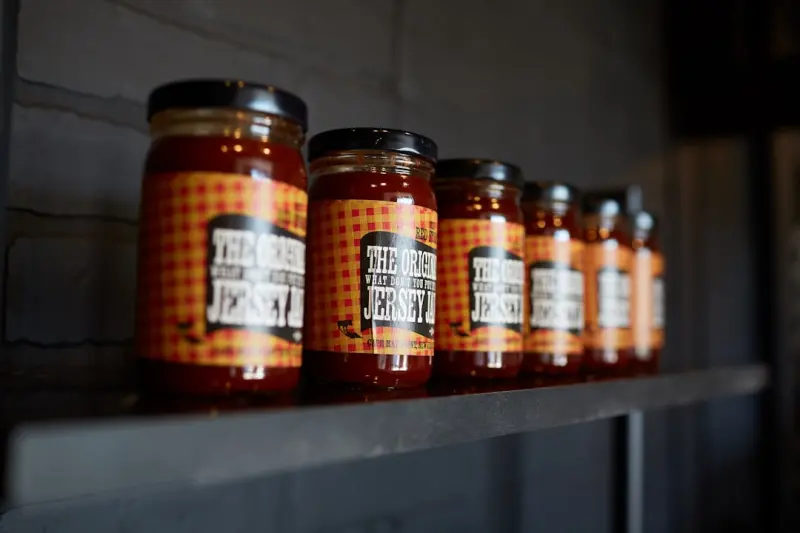
The Secret Sauce Behind the Pop‑Up Kitchen Boom
Pop‑up kitchens turn vacant spaces into immersive dining adventures, blending storytelling, local ... Read More
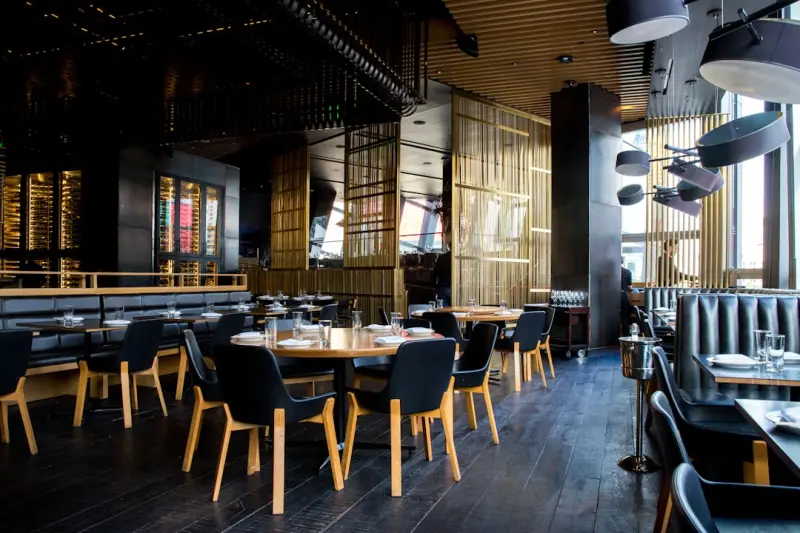
Data‑Driven Dining: How Restaurants Are Turning Numbers Into Profit
Explore the quiet revolution in restaurants where data-driven decisions—from AI forecasting to blo... Read More
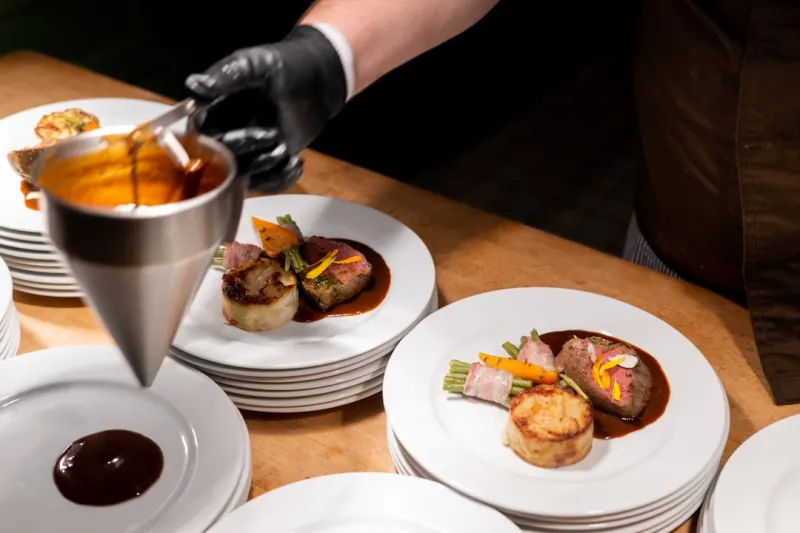
The Evolution of Canadian Cuisine: A Journey Through the Flavors of the North
Canadian cuisine is a vibrant reflection of the country's cultural heritage and geographical landsca... Read More
Top Posts

Heritage Grains: How Ancient Crops Are Transforming Today’s Kitchen
Explore the rise of heritage grains, their health benefits, and how chefs and home cooks are weaving ancient varieties into today’s dishes for flavor, nutriti...Read More

Immersive Storytelling: How Canada’s Creators Are Merging Tech, Theatre, and Culture
A deep dive into Canada’s emerging immersive storytelling scene, where VR, AR, and live performance blend to give audiences agency, amplify Indigenous voices,...Read More

Beyond the Harvest: Nurturing Mental Health in Canadian Farming
A deep dive into the mental‑health challenges of Canadian farmers, revealing how community networks, Indigenous practices, agri‑tourism, and targeted polici...Read More

Exploring the Hidden Gems of Rural America: A Journey Through Uncharted Getaways
Explore rural America's hidden gems through bus tours and cruises. Discover unique experiences, cultural attractions, and breathtaking landscapes in the country...Read More
0 Comments
Post Comment
You will need to Login or Register to comment on this post!