
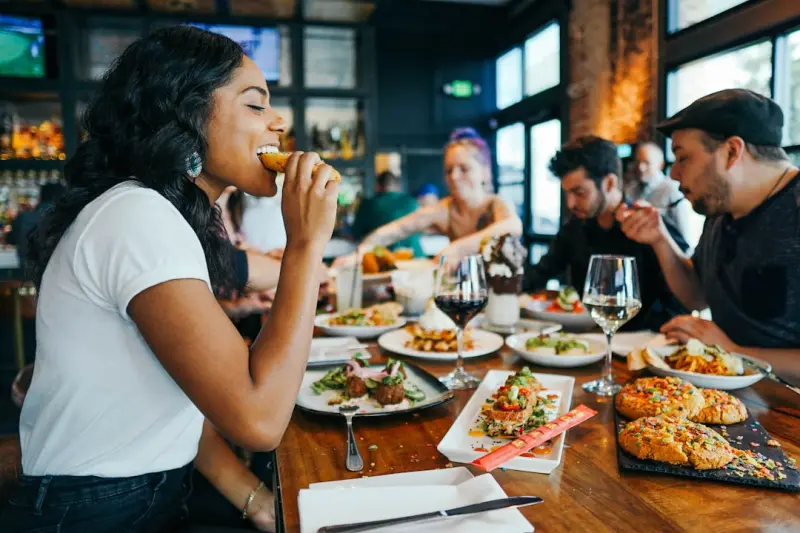
I still remember the first time I stumbled into a kitchen that existed only for a single night, tucked behind a laundromat on a rain‑slicked corner of the city; the air was thick with the aroma of smoked rosemary and the buzz of strangers who suddenly found themselves part of a culinary experiment, and that serendipitous moment set the tone for my obsession with the fleeting, hyper‑local pop‑up phenomenon that now stitches together the fabric of urban dining in ways that traditional brick‑and‑mortar establishments could never anticipate.
What Makes a Pop‑Up Kitchen “Hyper‑Local”?
Unlike the glossy, franchise‑driven eateries that dominate main streets, a hyper‑local pop‑up is born out of a specific neighborhood’s pulse, often occupying an empty storefront, a repurposed warehouse, or even a vacant lot for a handful of evenings before it vanishes again, and this impermanence is deliberately engineered to align with the micro‑culture of the block—its foot traffic patterns, its resident artists, its seasonal festivals—so the experience feels less like a restaurant and more like a secret society gathering, a fact that has turned the scarcity of these events into a powerful magnet for curious diners craving authenticity and surprise.
Chef Freedom Meets Community Curiosity
The allure for chefs lies in the liberation from the rigid menu cycles, health‑code inspections that dictate kitchen layout, and the relentless pressure of profit margins that anchor them to a single concept for years on end, and when they step into a pop‑up space they can test avant‑garde techniques, source hyper‑fresh ingredients from a neighbor’s garden, and iterate on flavor profiles in real time, a dynamic that mirrors the principles of micro‑community marketing where creators tailor offerings to ultra‑specific audiences, turning each dish into a conversation starter and each plate into a piece of localized storytelling.
Why Diners Are Hooked on the Ephemeral
For the modern foodie, the thrill of a pop‑up is less about the food alone and more about the narrative woven around it—the whispered rumors on social media, the handwritten flyers slipped under apartment doors, the excitement of arriving at a location that might be a vacant storefront today and a culinary showcase tomorrow, and this sense of exclusivity creates a communal buzz that feels almost tribal, as patrons share photos, tag friends, and collectively build a memory that feels personal yet part of a larger, ever‑shifting culinary map of the city.
Economic Ripples and Sustainable Sourcing
Because pop‑ups operate on shoestring budgets, they naturally gravitate toward sourcing from nearby farms, community gardens, and even rooftop beehives, forging a symbiotic relationship that reduces food miles, supports local producers, and often showcases practices championed by regenerative farming, a model that replenishes soil health while delivering vibrant, nutrient‑dense produce that transforms a simple salad into a statement of ecological stewardship, and the reduced overhead also means lower price points for diners, democratizing access to high‑quality, experimental cuisine that might otherwise be locked behind a five‑star price tag.
Technology: The Silent Partner
While the pop‑up ethos celebrates analog charm, it leans heavily on digital tools to survive; reservation platforms that auto‑close after a set number of bookings, QR‑code menus that can be updated on the fly, and geo‑targeted social posts that alert a neighborhood to the next surprise dinner create a seamless bridge between the fleeting physical space and the persistent online community, and this blend of tactile experience with real‑time data allows organizers to gauge demand, tweak menus mid‑service, and cultivate a loyal following without ever investing in a permanent storefront.
Regulatory Hurdles and Consistency Challenges
Despite the romance of pop‑up culture, navigating health inspections, temporary permits, and zoning laws can feel like a bureaucratic maze, especially when the venue changes weekly, and chefs must balance the desire for culinary daring with the need to maintain consistent quality, a tightrope walk that often forces them to simplify plating, streamline ingredient lists, and develop a core signature dish that anchors the ever‑evolving menu, lest the experience become a fleeting novelty that disappoints rather than delights.
Looking Ahead: Hybrid Models and Culinary Tourism
As cities recognize the economic and cultural value of these micro‑experiences, we’re beginning to see hybrid models emerge—a permanent restaurant that dedicates one night a month to a guest chef pop‑up, or a community center that transforms its cafeteria into a tasting room during festivals—creating a sustainable pipeline that feeds both the desire for novelty and the need for stability, while travel agencies start to market “pop‑up culinary tours” that promise tourists a taste of the city’s most secretive dishes, turning what was once an underground movement into a mainstream attraction without sacrificing its core spirit of surprise.
How to Dive In and Support the Movement
If you’re ready to become part of this evolving story, start by following local food blogs, joining neighborhood Facebook groups, and keeping an eye on community bulletin boards where the next pop‑up is announced in handwritten flyers that feel like a love letter to the city, then show up early, bring an open mind, and share your experience on social media using the venue’s hashtag to help spread the word, because the more eyes the pop‑up gets, the more resources it can channel back into the local ecosystem, completing a virtuous cycle that fuels creativity, sustainability, and community connection.

Related Posts
Ghost Kitchens & Data‑Driven Menus: The Hidden Battle Winning the Modern Plate
Ghost kitchens are turning the restaurant industry upside down. Learn how data‑driven menus, subsc... Read More
Why Restaurants Are Turning Dining Into an Immersive, Data‑Powered Adventure
Explore the new era of dining where immersive atmospheres, personalized loyalty, and pop‑up kitche... Read More
Why Shared Kitchen Communities Are the Secret Sauce for Modern Restaurateurs
Shared kitchen communities are reshaping the restaurant industry by lowering overhead, fostering col... Read More
Top Posts

Purpose‑Driven Growth: How to Build a Resilient Business That Thrives on More Than Profit
Explore a fresh business strategy that blends purpose, technology, and human connection to drive sustainable growth, secure digital assets, and forge true partn...Read More

Conversational Commerce: Turning Chat Into Checkout
A deep dive into conversational commerce shows why real‑time chat is becoming the new storefront, offering faster conversions, richer data, and a roadmap to i...Read More
Fermentation at Home: Turning Everyday Foods into Supercharged Staples
Explore the rise of home fermentation, from easy vegetable pickles to probiotic drinks, and learn how this ancient technique is redefining flavor, health, and w...Read More

How Canada’s Indie Gaming Scene Is Redefining Interactive Storytelling
Canada’s indie gaming community is reshaping interactive storytelling through collaborative funding, regional folklore, hybrid physical‑digital spaces, and ...Read More
0 Comments
Post Comment
You will need to Login or Register to comment on this post!