

Imagine walking into a bustling downtown bistro and being handed a menu that feels like it was written just for you—flavors that echo your recent travel stories, dietary quirks, and even the mood you’re in after a long day. That isn’t a sci‑fi daydream any longer. Restaurants are quietly inviting algorithms into the kitchen, and the results are as surprising as they are delicious.
Why AI is the New Sous‑Chef
For decades, the chef’s intuition has been the beating heart of any kitchen. Yet, intuition is a product of experience, and experience is limited by time, geography, and personal palate. Artificial intelligence, on the other hand, can synthesize millions of recipes, flavor pairings, and consumer trends in seconds. When you combine that computational muscle with a chef’s creative spark, you get a partnership that can:
- Identify hidden flavor synergies that no human palate might naturally connect.
- Predict emerging taste trends before they hit mainstream popularity.
- Optimize ingredient sourcing to reduce cost and waste without sacrificing quality.
In short, AI acts as a relentless experimenter, a data‑driven playful experimentation partner that can surface ideas chefs might never have considered. As one industry insider puts it, “It’s like having an infinite sous‑chef who never sleeps.”
From Data to Dish: The Workflow
Most AI‑driven menu projects follow a four‑step loop:
- Data Ingestion: Restaurants feed the system with historic sales data, customer feedback, seasonal ingredient calendars, and even social media sentiment about flavors.
- Pattern Mining: Machine‑learning models parse the data, spotting patterns such as “spicy‑sweet combos spike in summer” or “vegan diners gravitate toward umami‑rich broths.”
- Generative Ideation: Using generative algorithms (think GPT‑style language models or deep‑learning flavor networks), the AI proposes novel recipes, complete with ingredient lists, cooking techniques, and plating suggestions.
- Human Curation: Chefs review, tweak, and sometimes outright reject the proposals, adding their own intuition and brand voice. The chosen dishes then go to test kitchens for final refinement.
This loop isn’t static; every new dish that lands on a menu feeds back into the data pool, sharpening the model’s future suggestions. It’s a virtuous cycle of continuous improvement that mirrors the agile practices we see in tech startups.
Real‑World Success Stories
Several forward‑thinking establishments have already taken the plunge.
- SpiceCraft, a New‑York pop‑up used an AI model to blend traditional Indian spices with unexpected ingredients like yuzu and smoked tea. The resulting “Yuzu‑Infused Tandoori Salmon” sold out within hours, earning rave reviews for its daring yet harmonious flavor profile.
- GreenLeaf Bistro leveraged AI to design a rotating “Zero‑Waste” menu that only featured ingredients nearing the end of their shelf life. By matching those ingredients with complementary flavors, the restaurant reduced food waste by 30% while maintaining a high‑end dining experience.
- TechBite, a tech‑hub cafe integrated AI‑driven personalization into its ordering app. Diners answer a quick palate questionnaire, and the app instantly recommends a dish tailored to their taste, dietary restrictions, and even current weather. Sales of the personalized items jumped 22% in the first quarter.
These examples illustrate that AI isn’t just a novelty—it can be a profit driver, a sustainability lever, and a brand differentiator.
Balancing Creativity and Consistency
One common fear among restaurateurs is that AI will dilute the chef’s signature style. The truth is that AI excels at augmenting, not replacing, human creativity. Think of it as a collaborative brainstorming partner that throws out a flood of raw ideas, which the chef then curates and polishes. The chef remains the ultimate decision‑maker, preserving the restaurant’s culinary identity.
Moreover, AI can help maintain consistency across locations. By codifying the successful flavor combinations and cooking parameters, chain restaurants can ensure that a dish tastes the same whether it’s served in Tokyo or Toronto, while still allowing local chefs to add a regional twist.
Ethical and Practical Considerations
Introducing AI into the kitchen raises several practical questions:
- Data Privacy: Collecting detailed taste preferences can feel intrusive. Restaurants must be transparent about data usage and give diners opt‑out options.
- Algorithmic Bias: If the training data over‑represents certain cuisines, the AI may inadvertently marginalize others. Continuous auditing of the data set is essential.
- Skill Gap: Chefs need at least a baseline understanding of how the AI works to effectively curate its output. Upskilling programs become a strategic priority.
Addressing these concerns head‑on not only builds trust with diners but also aligns with broader industry conversations about responsible tech adoption—a theme echoed in discussions about Legal AI & the New Frontier of Ethical Practice.
AI Meets Sensory Science
While many AI projects focus on flavor pairings, a burgeoning niche explores the multisensory dining experience. Researchers are training models to understand how sound, lighting, and even ambient temperature affect taste perception. This cross‑modal approach resonates with the ideas presented in When Sound Becomes a Secret Ingredient: Tuning Your Taste Buds, highlighting how non‑taste factors can be fine‑tuned to elevate a dish.
Imagine a dinner where the background playlist, the temperature of the room, and the plating color are all algorithmically matched to the dish’s flavor profile—creating a fully immersive, hyper‑personalized experience.
Tools of the Trade
Several platforms have emerged to democratize AI for restaurants:
- FlavorGraph: A cloud‑based API that suggests ingredient pairings based on chemical compound analysis.
- MenuMind: An end‑to‑end solution that ingests POS data, generates new dishes, and predicts sales performance.
- ChefBot: An open‑source toolkit that lets chefs experiment with generative models without deep coding knowledge.
These tools often integrate with existing restaurant management systems, making the adoption curve less steep. For establishments wary of a massive overhaul, a phased rollout—starting with a single “AI‑Inspired” special—can serve as a low‑risk pilot.
Future Outlook: From Pop‑Ups to Mainstays
As AI becomes more accessible, the novelty of an “AI‑created dish” will fade, and the technology will become a standard part of the culinary toolbox—much like sous‑vide or fermentation. The next wave will likely see:
- Dynamic Menus: Real‑time menu adjustments based on inventory, weather, and local events.
- Hyper‑Personalized Dining: Guests receive a menu that evolves as they eat, responding to their feedback mid‑service.
- Sustainable Sourcing: AI predicts demand down to the ingredient level, reducing over‑ordering and waste.
When these trends converge, the dining experience will be less about a static menu and more about an evolving conversation between the kitchen, the technology, and the diner.
Getting Started: A Chef’s Checklist
If you’re a chef or restaurant owner intrigued by AI, here’s a practical roadmap:
- Define Clear Goals: Are you aiming to reduce waste, boost creativity, personalize service, or all of the above?
- Gather Quality Data: Start with POS data, inventory logs, and customer feedback. The richer the dataset, the better the AI’s suggestions.
- Select the Right Partner: Choose a platform that aligns with your technical capacity and culinary philosophy.
- Run a Pilot: Introduce one AI‑generated dish as a special. Collect feedback and iterate.
- Train Your Team: Provide workshops so chefs understand how to interpret and refine AI suggestions.
- Monitor Ethics and Bias: Regularly audit the AI’s outputs for inclusivity and sustainability.
Following these steps can help you harness AI’s power without sacrificing the soul of your kitchen.
Conclusion: The Flavor Frontier Is Open
The restaurant industry has always been a crucible for innovation—from open‑flame grilling to molecular gastronomy. AI is simply the latest catalyst, offering a blend of data‑driven insight and boundless creative potential. By treating AI as a collaborative partner rather than a replacement, chefs can unlock new dimensions of flavor, efficiency, and personalization.
As the line between technology and cuisine continues to blur, the restaurants that thrive will be those that embrace the unknown, experiment boldly, and keep the diner’s delight at the heart of every algorithmic suggestion. In the words of a seasoned chef who recently tried an AI‑generated dish, “It’s like tasting the future—one bite at a time.”

Related Posts
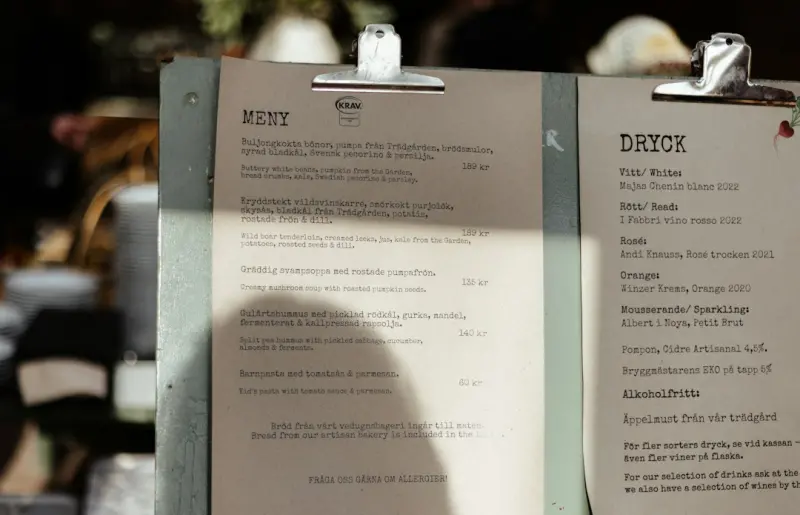
Culinary Storytelling: Turning Menus into Brand Magic
A menu is more than a price list; it’s a story that can transform diners into loyal fans. Learn ho... Read More
Designing Restaurants for Neurodiversity: A New Frontier in Hospitality
A deep dive into practical design, menu, and service strategies that make restaurants welcoming for ... Read More
Ghost Kitchens and the Future of Dining: What Restaurants Need to Know
A deep dive into the rise of ghost kitchens, their operational advantages, challenges, and how tradi... Read More
Top Posts

Beyond the Bite: Crafting a Sustainable Fishing Journey in Ontario
A deep dive into sustainable Ontario fishing, exploring catch‑and‑release ethics, Indigenous wisdom, foraging, tech tools, and community initiatives for a r...Read More
Turning Tariff Volatility into a Growth Engine
This post reveals a proactive framework for SaaS leaders to transform tariff volatility into a competitive edge, using dynamic regional pricing, cross‑border ...Read More

The Untapped Power of Community‑Driven Referral Loops for B2B SaaS Growth
Learn why embedding organic referral moments into your product experience, rewarding genuine advocacy, and measuring loop‑specific metrics can transform custo...Read More

Travel Light, Travel Far: Mastering the Capsule Wardrobe for Global Explorers
A practical guide to building a versatile capsule wardrobe that reduces luggage weight, cuts costs, and enhances the travel experience, with tips, real‑world ...Read More
0 Comments
Post Comment
You will need to Login or Register to comment on this post!